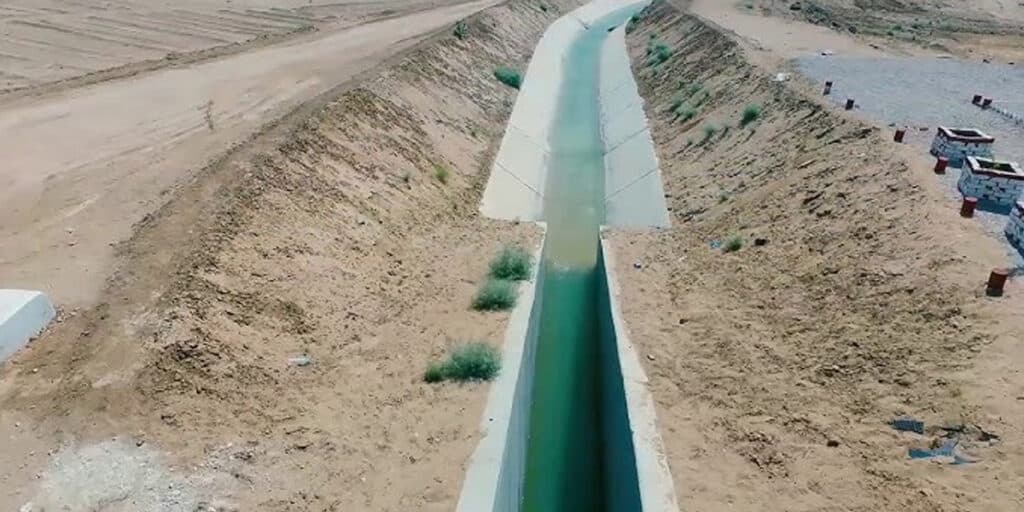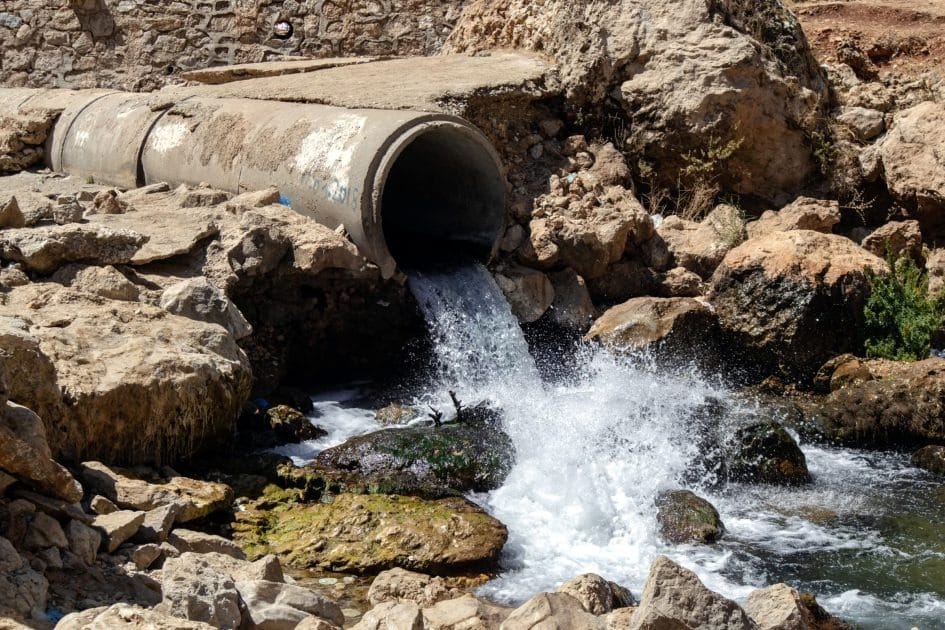
CHAGAI: Residents have called for the construction of dams to help restore groundwater levels as Chagai faces a worsening water crisis driven by climate change.
According to local reports, groundwater levels in the district have dropped to alarming levels, leaving around 500 tube wells, wells, and boreholes in Chagai and surrounding areas completely dry.
The severe shortage of water has begun turning agricultural land barren, posing a serious threat to the livelihoods of local farmers.
Despite receiving very little annual rainfall, Chagai has few water storage facilities, limiting the ability to conserve rainwater.
Local residents warned that if dams are not built, authorities may be forced to introduce measures such as water harvesting requirements and restrictions on new boreholes to protect the remaining groundwater resources.
Public representatives and residents have appealed to Balochistan Chief Minister Mir Sarfraz Bugti, the Chief Secretary, MPA Haji Sadiq Khan Sanjrani, and MNA Haji Usman Badini to prioritize the construction of dams in Chagai to store rainwater, replenish groundwater reserves, and safeguard the region’s agricultural sector.
Shortage and the Need for Dams in Balochistan
Balochistan, Pakistan’s largest province by area, has long faced severe water scarcity due to its arid climate, low annual rainfall, recurring droughts, and increasing impacts of climate change. Groundwater is the primary source of water for drinking and agriculture in many districts, but excessive extraction through tube wells and boreholes has caused water tables to decline significantly in several areas.
Agriculture, which supports the livelihoods of thousands of families, has been particularly affected by the depletion of groundwater.
As wells dry up and irrigation becomes increasingly difficult, farmers face reduced crop yields, abandoned farmland, and rising economic hardship.
Rapid population growth and changing weather patterns have further increased pressure on already limited water resources.
Experts have consistently highlighted the importance of constructing small, medium, and large dams to capture seasonal rainfall and floodwater that would otherwise be lost.
Properly designed dams can improve groundwater recharge, provide reliable irrigation supplies, reduce the impact of drought, and strengthen water security for local communities.
In addition, rainwater harvesting, efficient irrigation techniques, and sustainable groundwater management are considered essential for long-term water conservation.
Many communities across Balochistan continue to urge authorities to invest in water infrastructure and implement comprehensive water management policies.
Strengthening storage capacity and promoting sustainable use of water resources are widely regarded as key steps toward protecting agriculture, supporting economic development, and improving resilience to climate change.