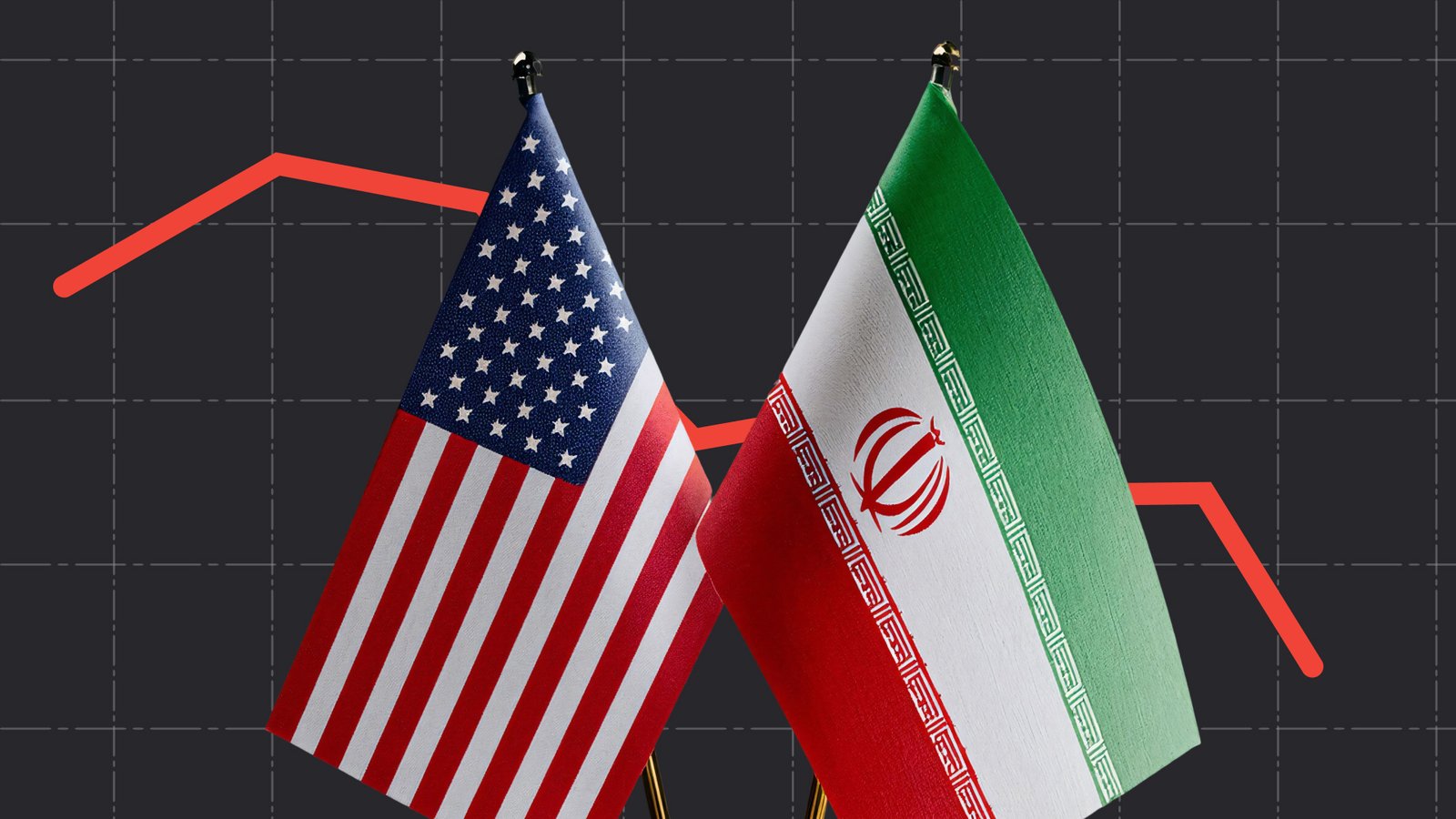
Washington: The United States has announced the cancellation of heavily anticipated military strikes against Iran tonight, signaling significant progress toward a final peace agreement.
U.S. President Donald Trump stated that the decision to halt the planned bombardment was made after discussions reached the highest levels of the Iranian leadership.
According to the President, the core concepts and final points of the proposed transaction have been approved by all primary parties involved, including the United States, Israel, the UAE, and Saudi Arabia.
Furthermore, regional partners including Pakistan, Turkey, Egypt, Jordan, Bahrain, and Qatar have also signaled their approval of the final points.
President Trump added that the official signing date and location of the peace deal will be announced shortly.
This major diplomatic breakthrough follows weeks of a fragile ceasefire that recently collapsed, pushing the two nations to the brink of all-out war through a rapid cycle of retaliatory attacks.
Tensions reached a boiling point after Israeli strikes in the region prompted Iran to launch waves of missile attacks targeting U.S. military bases across Kuwait, Bahrain, and Jordan.
Compounding the crisis, Iran’s Revolutionary Guard recently shot down a U.S.
Army Apache helicopter in the Strait of Hormuz, prompting Washington to threaten devastating strikes tonight aimed at seizing control of Iran’s vital oil and energy infrastructure, including Kharg Island.
However, this sudden de-escalation by the U.S. President has revived fresh hopes for regional stability and a lasting peace in the Middle East.
The 2026 U.S.-Iran Conflict
The current standoff is part of the broader 2026 Iran-United States war, which erupted into a full-scale direct conflict following a massive joint U.S.-Israel air campaign.
The warfare has severely disrupted global energy markets due to Iran’s partial closure of the vital Strait of Hormuz and a parallel U.S. naval blockade of Iranian ports.
Throughout the conflict, regional powers have repeatedly stepped in to mediate. Notably, Pakistan has hosted multiple high-level peace rounds in Islamabad involving top U.S. and Iranian negotiators.
While previous ceasefires have repeatedly buckled under localized flare-ups—such as the downing of U.S. aircraft and retaliatory strikes on merchant tankers in the Gulf of Oman—the economic toll of soaring inflation and disrupted maritime trade has placed immense pressure on both Washington and Tehran.
This latest last-minute cancellation of a full-scale American assault represents the most substantial diplomatic breakthrough of the war, pointing toward a coordinated multinational framework designed to permanently stabilize the region.