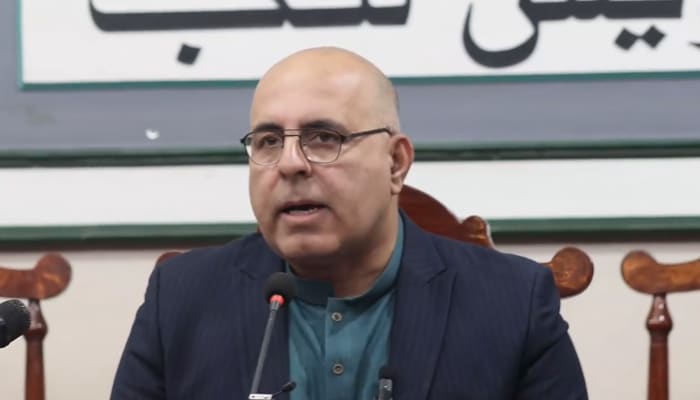

QUETTA: In a series of engagements highlighting a blend of political advocacy and public service, Jamaat-e-Islami Balochistan Emir and Moulana Hidayat ur Rehman Baloch has underscored a commitment to pressing governance issues and welfare projects in the Gwadar district.
The senior leader, accompanied by party officials, formally called upon the newly appointed Deputy Commissioner of Gwadar, Naqeebullah Kakar. The meeting, held at the commissioner’s office, served as both a welcoming gesture and a platform to emphasize public expectations. Moulana Hidayat ur Rehman extended a formal welcome to the new administrative head, expressing hope that his tenure would be marked by effective service delivery and a steadfast commitment to people-centered governance. The discussion focused on the pressing developmental and civic challenges facing the port city, with the JI leader urging proactive and transparent administration to address public needs.
Separately, in a late-night visit that underscored his hands-on approach, the MPA made an unscheduled stop at the Indus Hospital in Gwadar. He personally toured various wards, met with patients and their attendants, and reviewed the medical facilities available. The visit took a personal turn when two young girls, receiving treatment at the hospital, insisted on taking photographs with him—a request he gladly obliged, sharing a moment of warmth amid the clinical setting.
Meanwhile, a significant infrastructure project funded through the MPA’s own development funds is nearing completion. The installation of a solar power system at the Rural Health Centre (RHC) in Jiwani is progressing rapidly. Upon completion, the critical healthcare facility will transition to an uninterrupted 24-hour power supply, overcoming persistent electricity outages that have long hampered medical services. The project has been widely applauded by local communities, who describe it as a transformative, long-term initiative that will directly improve healthcare outcomes. This practical intervention aligns with the leader’s consistent advocacy for resolving Gwadar’s basic utility crises, translating political representation into tangible developmental gains for his constituents.