ISLAMABAD: Federal Minister for Parliamentary Affairs Tariq Fazal Chaudhary has stated that paying ransom to free 10 Pakistanis held captive by Somali pirates would yield negative repercussions.
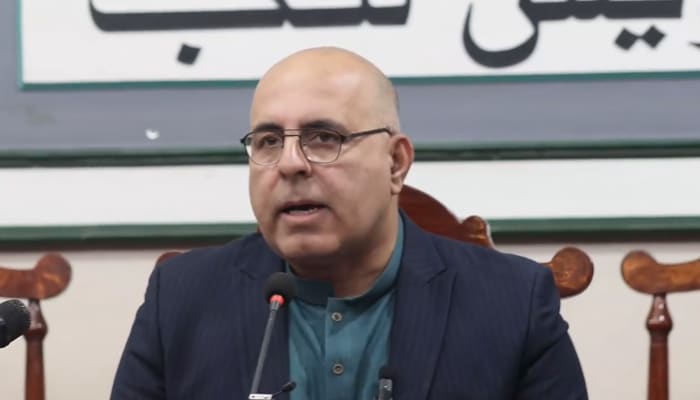
Speaking during a session of the National Assembly chaired by Panel of Chair Ali Zahid, the minister addressed a calling-attention notice regarding the abduction of Pakistani citizens by Somali pirates.
He informed the house that 10 Pakistanis are currently in the custody of the pirates, who have demanded a ransom of $3 million for their release.
Chaudhary noted that Pakistan lacks direct diplomatic ties with Somalia, and the local government’s writ in the affected region is weak.
However, he assured lawmakers that the Ministry of Foreign Affairs is actively pursuing the matter and three rounds of negotiations with the pirates have already been held.
He emphasized that the government is exploring all possible avenues to secure the safe return of the citizens without resorting to ransom payments that could encourage future hostage-taking.
A Note on Somali Piracy and Maritime Kidnappings
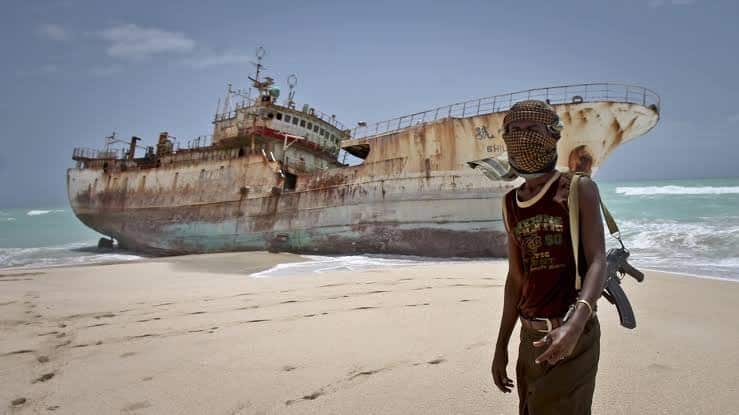
Somali piracy has long posed a severe threat to international shipping lanes, particularly in the Gulf of Aden and the Western Indian Ocean.
Operating primarily from the lawless coastal regions of Somalia, pirate syndicates have historically targeted commercial vessels, cargo ships, and fishing boats for lucrative financial ransoms.
The modus operandi typically involves heavily armed groups launching skiffs from mother ships to board vulnerable commercial vessels.
Once captured, the vessels and their multi-national crews are towed back to the Somali coastline, where they are held as leverage while negotiators demand millions of dollars from shipping companies or governments.
While international naval coalitions—such as combined maritime forces and EU naval patrols—have significantly curbed pirate attacks through coordinated patrols and high-seas interventions, the underlying economic instability and lack of strong governance in parts of Somalia continue to fuel the phenomenon.
Governments and international bodies strictly discourage paying ransoms, arguing that pay-outs finance organized crime, incentivize further hijackings, and endanger more sailors globally.
Consequently, resolving such hostage crises requires delicate diplomatic channels, intelligence operations, and cautious negotiations to ensure the safety of captives without compromising national security policies.
ALSO READ: Oil Tanker’s Hijacking Matter Remains Unresolved
How do you think international maritime coalitions can more effectively curb the resurgence of pirate activities off the coast of Somalia?