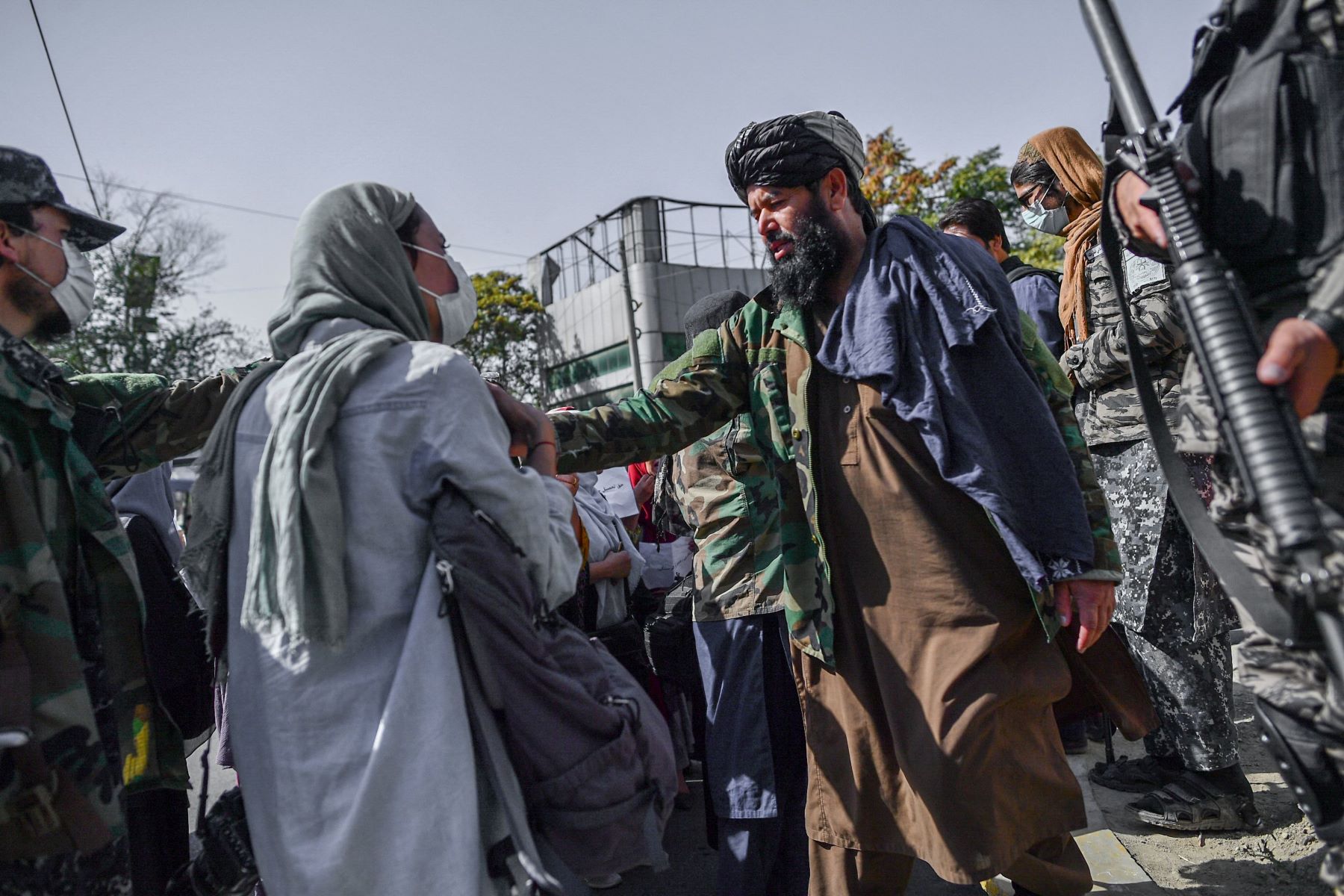
HERAT: Afghanistan’s Taliban authorities have intensified the enforcement of strict social regulations in the western city of Herat, with reports alleging an increase in arrests over dress code violations and growing restrictions on civil liberties.
The report states that the latest measures follow directives attributed to Taliban Supreme Leader Mullah Hibatullah Akhundzada, under which authorities have accelerated the implementation of strict religious and social regulations across the country.
In this regard, as per the reports, women in Herat are being detained for allegedly violating prescribed dress codes, while men have also reportedly been arrested over beard-related regulations.
The increased enforcement has reportedly created an atmosphere of fear, leading many women to significantly reduce their movement outside their homes.
The report further claims that at least 30 women were arrested within a span of two days for alleged violations of clothing regulations. However, local human rights organizations cited in the report estimate that the total number of women detained in Herat has exceeded 200 in recent weeks.
In this sense, the tightening restrictions are also said to be affecting access to education for girls. Many families have stopped sending their daughters to school out of concern over the increasingly strict enforcement measures and the prevailing security environment.
There are some credible international reports that mentions restrictions imposed during the observance of Ashura.
It alleges that Taliban authorities placed limitations on religious rituals and processions organized by Afghanistan’s Shia community, raising concerns among rights advocates about religious freedom.
In addition, the report states that members of the country’s Shia minority continue to lack meaningful representation in government institutions, a matter that has drawn criticism from human rights organizations and international observers.
The Taliban authorities have repeatedly maintained that their policies are based on their interpretation of Islamic law and are aimed at preserving social order.
However, their governance has continued to face widespread criticism from the international community, which has expressed concern over restrictions on women’s rights, girls’ education, freedom of expression, and the rights of religious and ethnic minorities.