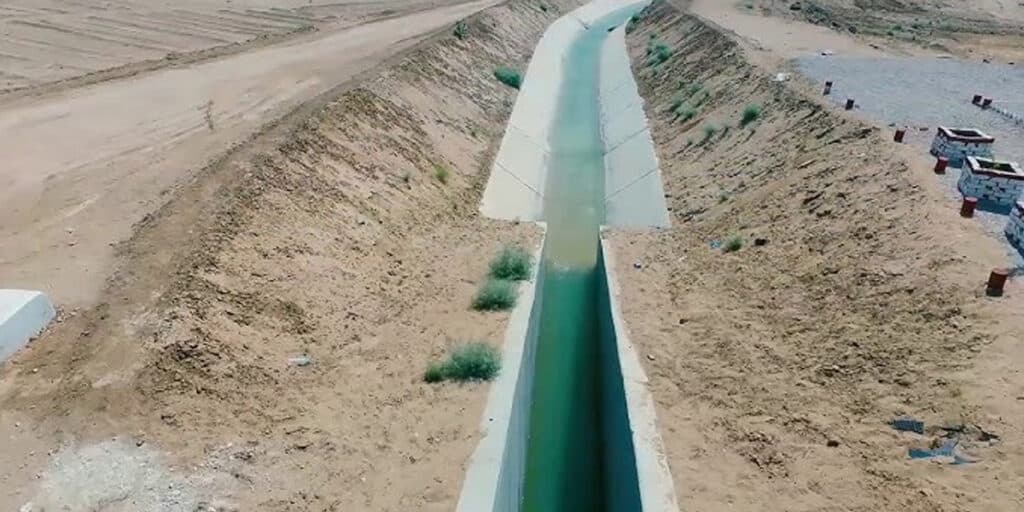
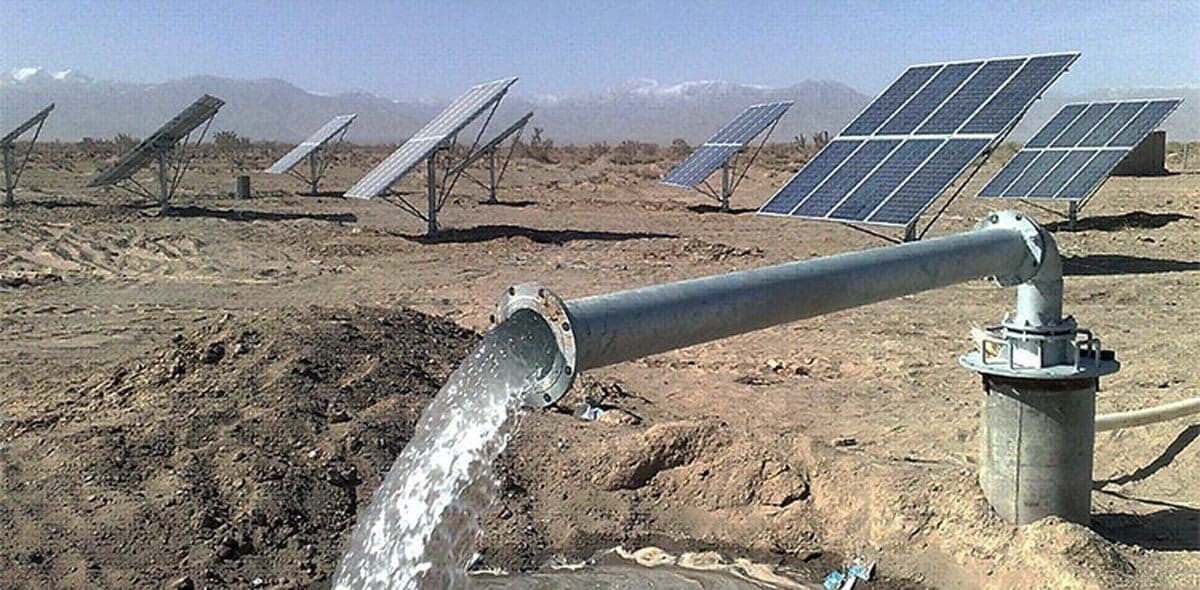
QUETTA: The Quetta Electric Supply Company (QESCO) has disconnected all agricultural tube well connections across the province that were included in the government’s solarization initiative.
Following the government’s decision to provide a substantial financial grant of PKR 2 million per consumer to all registered agricultural users for solar energy transition, QESCO teams have severed the electrical connections of the respective tube wells.
During various phases of this campaign, transformers and connected electrical equipment belonging to agricultural consumers across the province were dismantled and moved to QESCO stores.
However, it has emerged that despite shifting to solar energy and receiving government funds, certain agricultural consumers have not yet handed over the official transformers and other valuable electrical equipment to QESCO.
QESCO authorities have clarified that under the solarization project, after receiving PKR 2 million per connection from the government, all agricultural consumers are legally bound to return their transformers, electricity poles, and other equipment to QESCO.
In this regard, the provincial government has already passed the “Balochistan Agricultural Solarization and Prevention of Electricity Theft Bill, 2025.”
Under this law, strict legal action will be initiated against landowners who fail to return the official transformers, poles, and equipment. QESCO administration has strongly urged all solarized agricultural consumers to fully cooperate with QESCO field teams in returning the equipment to ensure the transparent completion of this national project and protect state assets, thereby avoiding any unpleasant legal consequences.
Balochistan, Pakistan’s largest province by area, faces severe energy crises, prolonged power outages, and a heavily strained agricultural sector.
Traditionally, the provincial government and federal authorities heavily subsidized electricity for agricultural tube wells, leading to a massive circular debt and regular losses for Quetta Electric Supply Company (QESCO). Due to the immense geographical spread and inadequate grid infrastructure, keeping thousands of deep tube wells running on conventional grid electricity became financially unsustainable.
To address this recurring economic drain, the government launched an aggressive solarization drive to transition agricultural tube wells to clean, renewable solar energy.
Under this initiative, substantial financial subsidies—such as the PKR 2 million grant per landowner—are provided to help farmers install solar panels.
The long-term goal is threefold: to provide farmers with a reliable, daytime power source for irrigation, to completely eliminate agricultural power subsidies that bleed the national treasury, and to curb rampant electricity theft.
However, as the project transitions from the grid to the sun, it faces administrative hurdles, such as recovering multi-million rupee state infrastructure (transformers and poles) from landowners, requiring strict legislative frameworks like the 2025 Solarization Bill to safeguard state assets.