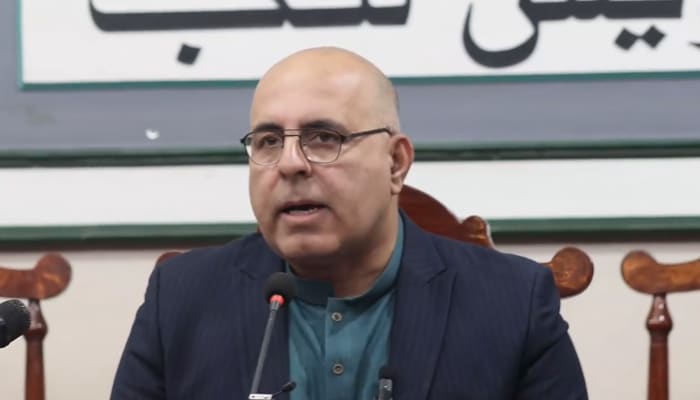
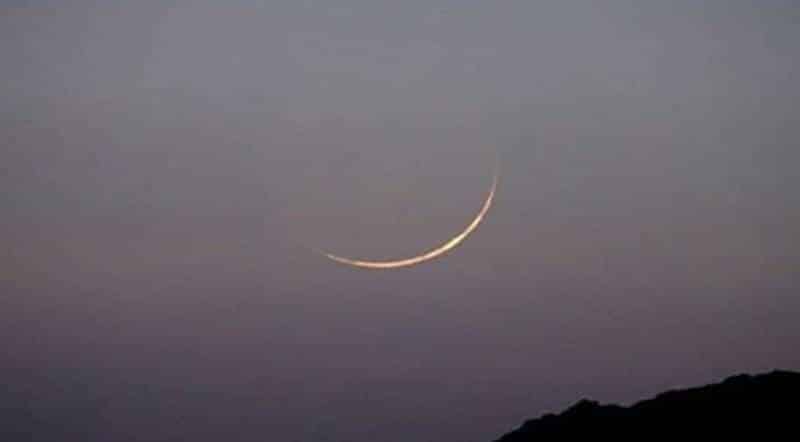
ISLAMABAD: The Central Ruet-e-Hilal Committee has officially announced that the Muharram-ul-Haram moon was not sighted.
The committee’s session, chaired by Maulana Abdul Khabir Azad, took place at the historic Badshahi Mosque in Lahore.
Following the non-sighting of the crescent, the 1st of Muharram will fall on Wednesday, June 17, while Youm-e-Ashura (10th of Muharram) will be observed on Friday, June 26.
In a related development, the Government of Khyber Pakhtunkhwa has already declared a public holiday to mark the 1st of Muharram.
Religious Holidays in Pakistan
Religious holidays in Pakistan reflect the nation’s deep-rooted Islamic identity and cultural diversity, serving as periods of profound spiritual reflection, community bonding, and state-sanctioned observance.
The Islamic calendar, being lunar-based, dictates the scheduling of major Muslim holidays, which shift approximately eleven days earlier each solar year.
The official status of these holidays is determined by the federal government, often coordinated with central bodies like the Ruet-e-Hilal Committee to confirm moon sightings.
The most prominent Islamic holidays include Eid al-Fitr, marking the end of Ramadan, and Eid al-Adha, commemorating the willingness of Prophet Ibrahim to sacrifice his son.
Both occasions typically grant citizens multi-day national holidays to facilitate family gatherings and religious rituals.
Muharram, the first month of the Islamic calendar, holds immense historical and spiritual significance, particularly the first ten days culminating in Ashura.
Ashura is observed with public holidays across the country, marked by processions and intense security measures to ensure peace.
Additionally, Eid Milad-un-Nabi, the birth anniversary of the Prophet Muhammad, is celebrated with state decor and public holidays.
Importantly, Pakistan’s holiday framework also accommodates its religious minorities, upholding constitutional commitments to religious freedom.
Public holidays or optional leaves are granted for significant non-Muslim festivals, such as Christmas and Easter for Christians, and Diwali and Holi for Hindus.
These occasions allow minority communities to celebrate their faiths freely, reflecting Pakistan’s multi-religious fabric despite its predominantly Muslim demographic.
Governed by federal circulars, these holidays pause formal business and academic calendars, allowing the entire society to honor its diverse spiritual traditions.