NEROBI: A helicopter crash near Mount Ololokwe in central Kenya’s Samburu County resulted in the deaths of all seven people on board, including six tourists and the pilot.
According to the Kenya Civil Aviation Authority (KCAA), the tragic incident occurred at approximately 9:13 AM local time.
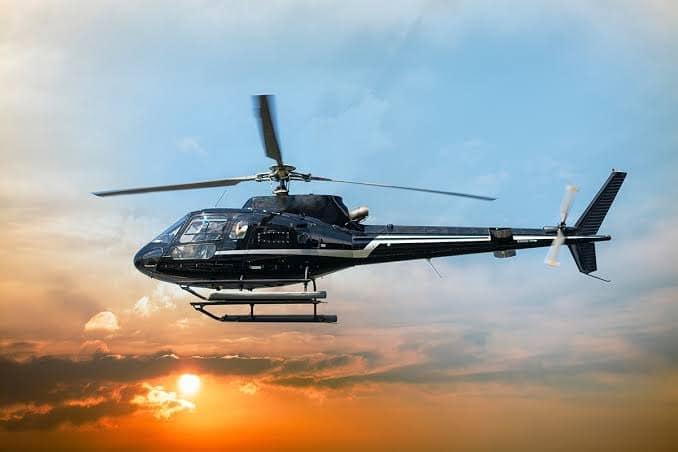
The aircraft, identified as a Eurocopter EC130 B4, was flying from Loisaba to Ewasonyiro.
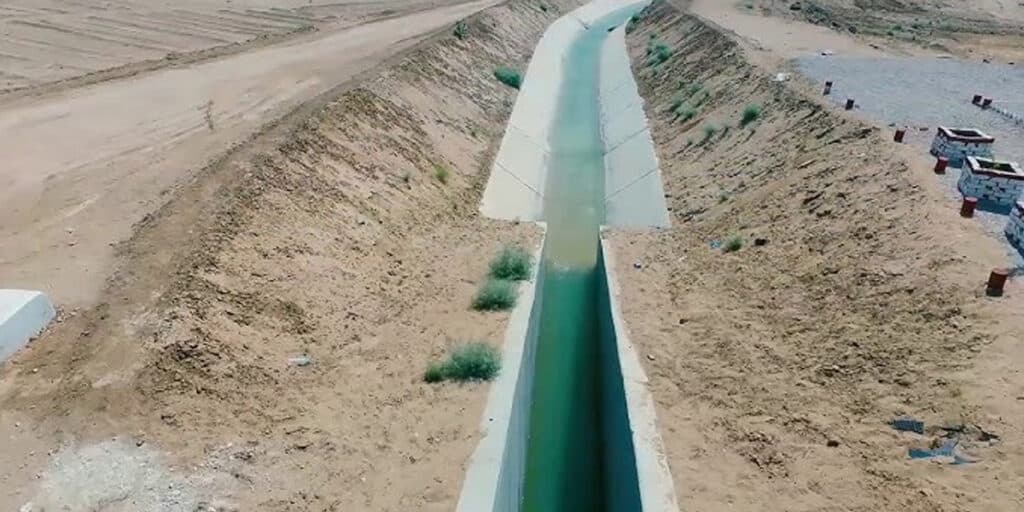
The Kenya Red Cross stated that immediate physical access to the crash site was hindered by the remote and rugged terrain, prompting rescue teams to deploy drone cameras to assess the area.
The Air Accident Investigation Department of the Ministry of Roads and Transport is leading inquiries to determine the cause of the accident, while authorities coordinate recovery and verification efforts.
Global Helicopter Safety and Accidents Overview
Helicopter accidents continue to remain a significant concern within global civil aviation, drawing persistent scrutiny from international safety boards.
Rotorcraft operations inherently involve complex flight dynamics, low-altitude maneuvering, and challenging weather vulnerabilities that differentiate them from fixed-wing commercial aircraft.
Across various regions, historical data indicates that a substantial proportion of fatal helicopter mishaps stem from controlled flight into terrain (CFIT), adverse weather conditions, spatial disorientation, and unexpected mechanical or wire-strike issues during specialized or tourism-related flights.
The year has witnessed several high-profile rotorcraft incidents across different continents, underscoring the critical need for stricter regulatory compliance, enhanced pilot training, and rigorous maintenance standards.
Tourism and sightseeing operations, which frequently navigate remote landscapes or congested urban corridors, face unique operational pressures that can heighten risk profiles.
In response to ongoing incidents, global aviation authorities—including the International Civil Aviation Organization (ICAO) and regional civil aviation bodies—continually emphasize proactive safety management systems (SMS).
Innovations in tracking technology, mandatory safety equipment upgrades, and improved emergency locator transmitters are progressively being integrated to minimize response times when accidents occur in inaccessible terrains.
Ultimately, continuous safety audits and strict adherence to operational weather minimums remain vital in mitigating hazards and protecting passengers and crew worldwide.
ALSO READ: 13 Tourists and Crew Members Killed in Peru Plane Crash
What specific safety protocols or tracking technologies do you think could best prevent accidents in remote terrain operations?