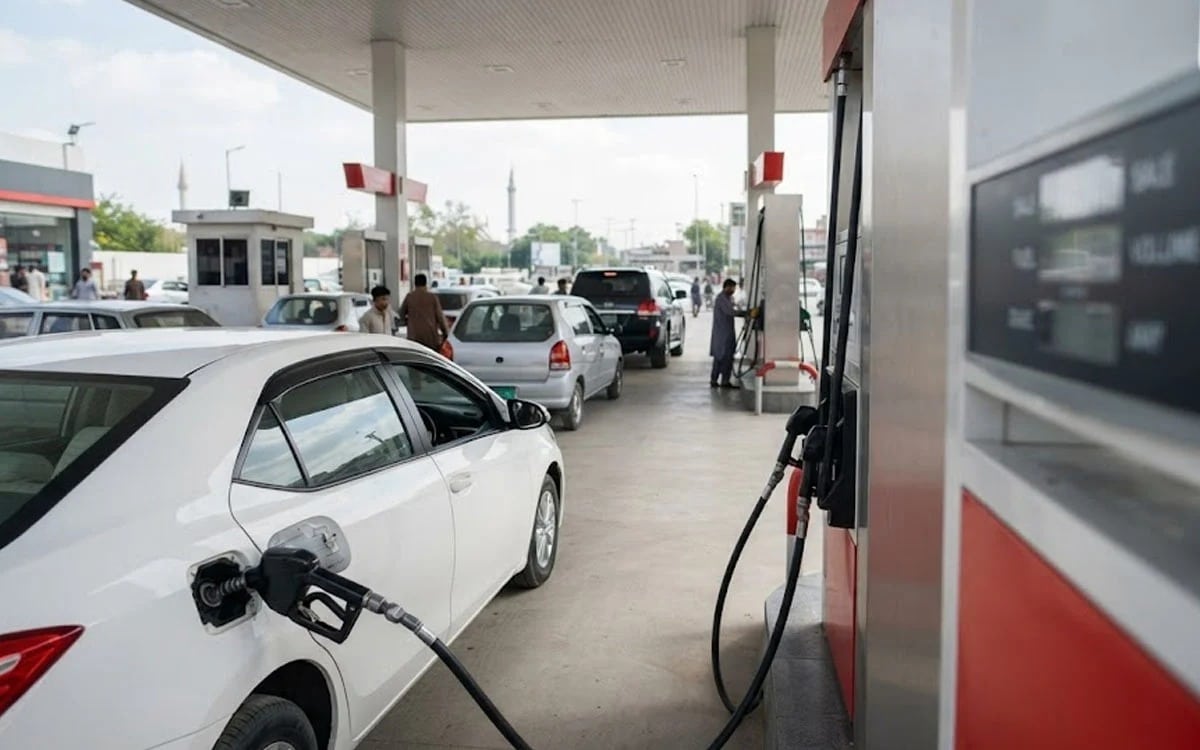
ISLAMABAD: Federal Minister for Petroleum Ali Pervaiz Malik has announced a massive decrease in diesel prices in Pakistan today.
Speaking in Islamabad alongside the Federal Minister for Information and Broadcasting, Malik stated that this substantial price cut is being facilitated through the cooperation of local refineries.
He acknowledged the severe hardships caused by ongoing global conflicts and emphasized that the government is fully aware of these challenges.
The minister further noted that the Oil and Gas Regulatory Authority (OGRA) will officially issue a notification regarding the price reduction.
He highlighted that the government is mobilizing available resources to provide relief to citizens and remains dedicated to safeguarding public interests.
While global market prices for petroleum products are generally on an upward trajectory, a very large volume of diesel is produced locally.
Consequently, the Prime Minister greenlit this citizen-centric decision keeping the public welfare at the forefront.
Global Fuel Price Dynamics and Major Causes
On a global scale, fuel prices are dictated by a complex interplay of macroeconomic forces, structural supply dependencies, and geopolitical shocks.
The foremost driver of volatility in international oil and petroleum markets is geopolitical conflict, particularly in key energy-producing regions like the Middle East.
Interstate hostilities and military escalations frequently threaten critical maritime transit chokepoints, such as the Strait of Hormuz, through which a major share of global oil and liquefied natural gas flows.
When these vital trade routes face blockades, security threats, or attacks on energy infrastructure—including refineries and export terminals—international benchmarks like Brent crude experience immediate upward pressure and severe price spikes.
Additionally, supply-side constraints managed by major producer alliances like OPEC+ heavily influence crude availability.
Production cuts or quota adjustments designed to balance member budgets can artificially tighten global inventories, driving costs higher for net-importing nations.
Furthermore, currency fluctuations, particularly the strength of the US dollar in which oil is globally traded, amplify the financial burden for developing economies.
ALSO: Fuel Prices in Pakistan Increased by OGRA
Beyond crude extraction, the costs associated with maritime freight, shipping insurance risk premiums, and domestic refining capacities also dictate how quickly international crude shocks translate into higher retail prices at local fuel pumps worldwide.