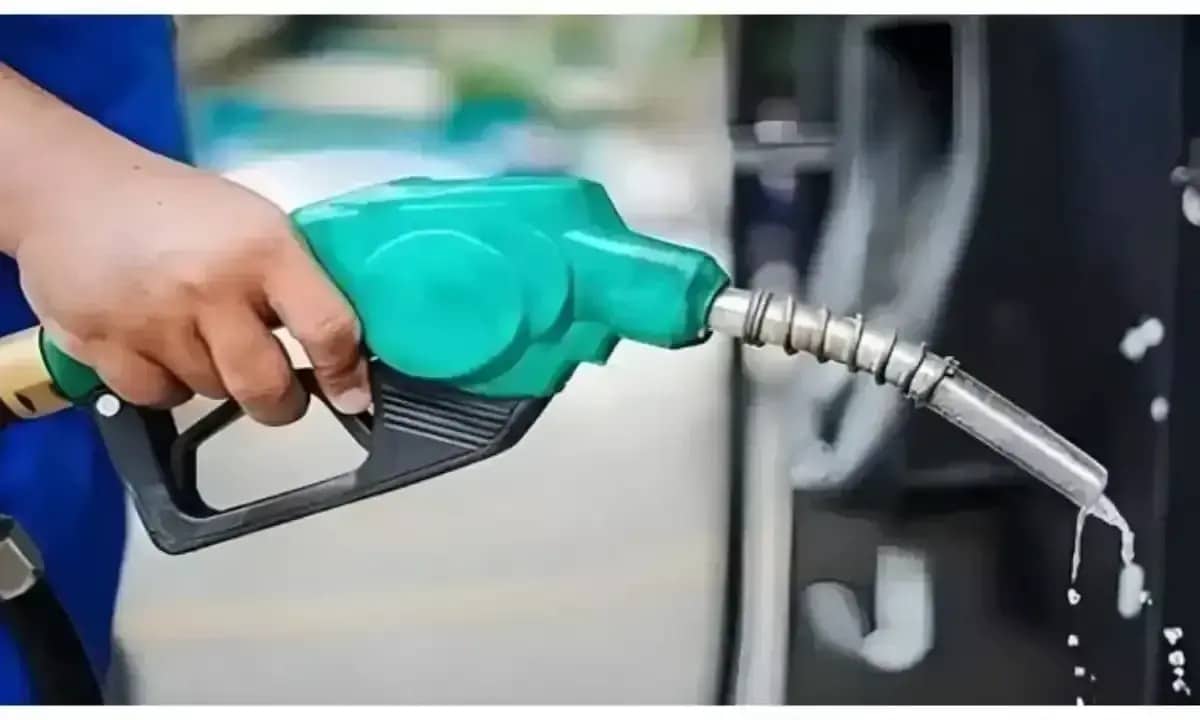
ISLAMABAD: The fuel prices in Pakistan have been increased. According to a notification issued by the Petroleum Division, the price of petrol has been increased by Rs5.77 per litre, taking its new price to Rs331.20 per litre.
The price of high-speed diesel has been increased by Rs6.47 per litre, bringing its new price to Rs390.42 per litre.
According to government guidelines, the Oil and Gas Regulatory Authority (OGRA) recommended the price increase, following which the Petroleum Division issued a formal notification.
Over the past five months (March–August 2026), Pakistan’s fuel prices have experienced significant volatility, largely driven by the regional geopolitical tensions following the Iran-US conflict that began in late February 2026.
In early March, petrol prices stood at approximately Rs 266 per litre, while high-speed diesel (HSD) prices were rising from around Rs 281 per litre.
The conflict triggered a rapid upward trajectory in international oil markets, causing domestic prices to peak sharply in early April. By April 3, 2026, petrol had reached an all-time high of Rs 458.41 per litre, and HSD hit a peak of Rs 520.35 per litre.
To manage the economic impact, the federal government transitioned from fortnightly or weekly price adjustments to daily price revisions, aiming to mirror international market fluctuations more closely.
Additionally, authorities implemented fuel conservation measures and targeted relief subsidies to mitigate the burden on the public.
Following these peaks in April, fuel prices underwent a period of cooling. By August 2026, the retail price for petrol had moderated to approximately Rs 325.43 per litre, and HSD to Rs 383.95 per litre.
Despite this decline from the April highs, prices remain significantly elevated compared to the pre-crisis baseline.
Also Read : Pakistan Set for Huge Fuel Price Cut as Global Oil Prices Fall
The government continues to maintain substantial tax and duty levies—reportedly Rs 114 per litre on petrol and Rs 100 per litre on diesel—as part of its fiscal strategy.
This period highlights the vulnerability of Pakistan’s energy sector to global supply disruptions and the resulting challenges for both consumers and fleet-intensive industries.