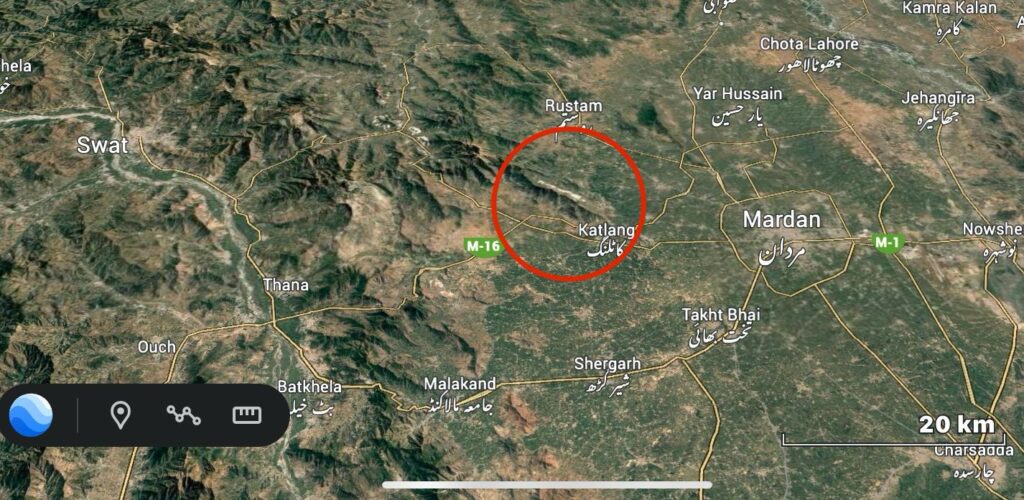
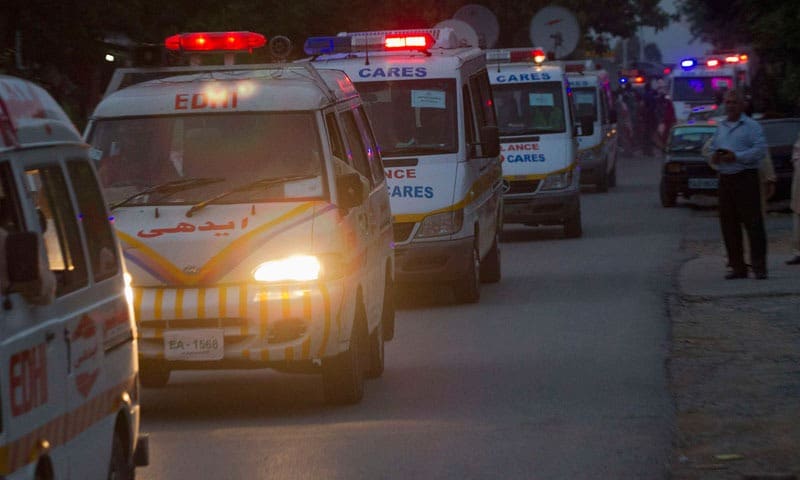

KOHAT: At least nine people, including six women and three children, were killed after the roof of a house collapsed during heavy rainfall in the Lachi tehsil of Kohat.
According to local reports, the incident occurred when persistent rain caused the roof of the house to cave in, trapping the occupants beneath the debris.
Five others were reportedly injured in the collapse. Rescue teams shifted the deceased and the injured to a nearby hospital for treatment and further medical assistance.
Authorities are assessing the damage, while rescue and relief efforts continue in the affected area.
Heavy rainfall continues to pose a serious threat to life and property in many parts of Pakistan, particularly during the monsoon season.
Intense downpours often trigger flash floods, urban flooding, landslides, and the collapse of weak or poorly constructed buildings, resulting in significant human and economic losses.
Among the most common rain-related incidents are roof and wall collapses, especially in mud or aging houses, which frequently cause fatalities and injuries.
Flash floods can sweep away people, vehicles, and livestock, while overflowing rivers and streams inundate villages and agricultural land. In urban areas, poor drainage systems lead to waterlogging, disrupting traffic, damaging infrastructure, and increasing the risk of electrocution from exposed electrical wires.
Heavy rains also affect transportation by damaging roads, bridges, and communication networks, making rescue and relief operations more difficult.
In mountainous regions, landslides often block highways and isolate communities, delaying emergency assistance.
Authorities, including the Provincial Disaster Management Authorities (PDMAs), the National Disaster Management Authority (NDMA), Rescue 1122, and local administrations, regularly issue weather advisories and emergency alerts during periods of severe rainfall.
Citizens are advised to avoid unnecessary travel, stay away from floodwaters, refrain from taking shelter in structurally unsafe buildings, and follow official safety instructions.
Experts emphasize that improved urban planning, stronger building standards, better drainage infrastructure, and greater public awareness are essential to reducing the impact of rain-related disasters.
Timely weather forecasts, early warning systems, and coordinated emergency response efforts can significantly help protect lives and minimize damage during extreme weather events.