KABUL: Unidentified gunmen opened fire on a vehicle belonging to the Afghan Taliban in the Ganj-e-Bazar area of Sar-e-Pul province on Wednesday, killing a Taliban official and seriously wounding three others, according to local sources.
The deceased was identified as “Qahar”, a Taliban official who was reportedly on duty in the area at the time of the attack. The three injured officials have been shifted to a nearby medical facility, where their condition remains critical, sources added.
Security forces swiftly cordoned off the area following the attack and have significantly increased their presence in and around Sar-e-Pul city. However, no militant group has yet claimed responsibility for the assault, which comes amid a wave of growing armed resistance against the Taliban administration across the country.
The attack is the latest in a series of security challenges confronting the Taliban government. It follows the recent killing of Zabihullah Amiri, the head of the Information and Culture Department in Badakhshan province, in a separate incident. Since then, military resistance has reportedly spread from Badakhshan in the northeast to Nimroz in the southwest, with anti-Taliban factions intensifying their operations.
The Northern Liberation Front and the National Independence Front have both claimed responsibility for attacks and inflicted damage on Taliban outposts in the Zebak and King districts, signaling a coordinated uptick in insurgent activity.
Adding to the mounting pressure on the Taliban administration, renowned religious scholar Maulvi Fazl Karim Saraji has issued a religious fatwa openly criticizing the government’s policies, further eroding its ideological standing among conservative circles.
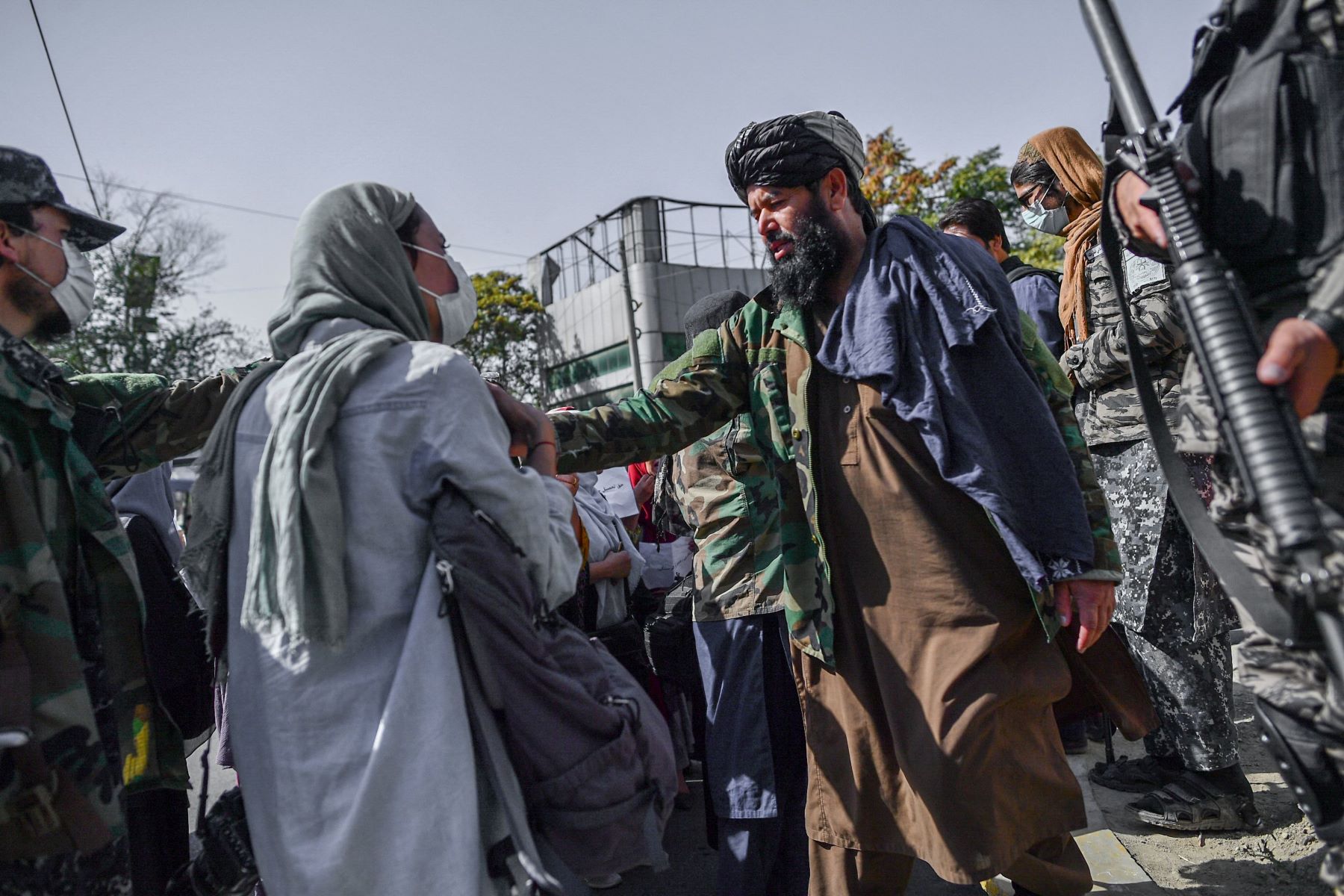
Meanwhile, serious concerns are being raised at the international level over the Taliban’s treatment of minors. Observers and human rights groups have expressed alarm over reports that children are being forcibly removed from educational institutions and recruited for military purposes—a practice that has drawn widespread condemnation and could lead to further diplomatic isolation for the de facto authorities.
As the Taliban grapples with these multifaceted challenges—ranging from armed insurgency to internal clerical dissent and global scrutiny—the situation in Afghanistan remains highly volatile, with no immediate end to the unrest in sight.