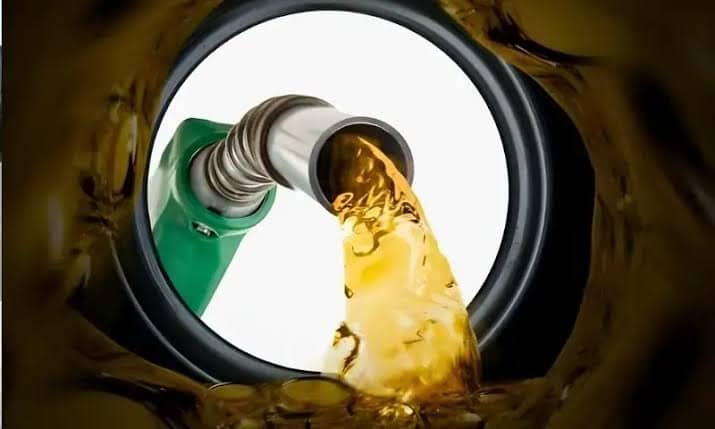
ISLAMABAD: Feul Prices in Pakistan have been raised once again. Petroleum product prices have experienced another upward revision, according to an official notification issued by the Petroleum Division.
Under the latest price adjustments, the rate of petrol has been increased by PKR 1.12 per liter, while high-speed diesel has seen a hike of PKR 1.11 per liter.
Following this revision, the retail price of petrol stands at PKR 343.10 per liter, whereas diesel is now priced at PKR 371.80 per liter.
This incremental fuel price hike has been implemented specifically for the dates of August 26 and August 27.
Impact of Rising Fuel Prices in Pakistan
The continuous escalation of petroleum product prices exerts a profound and multi-faceted economic toll on the citizens and industrial sectors across the country.
The direct and indirect consequences of rising fuel prices in Pakistan ripple through every tier of the national economy, starting immediately with the transport sector.
As diesel and petrol rates climb, public transport fares and freight charges experience an inevitable upward surge, driving up the cost of moving raw materials and finished goods nationwide.
This logistical inflation translates directly into a compounding hike in the prices of basic food commodities, vegetables, and daily-use items, heavily burdening low- and middle-income households whose purchasing power is already stretched thin.
Furthermore, manufacturing plants, agricultural tube wells, and commercial enterprises rely heavily on petroleum-based energy or backup generators to sustain operations amidst persistent grid instabilities.
When operational energy costs escalate sharply, businesses are forced to pass these expenses onto consumers, stifling industrial competitiveness, slowing down production output, and contributing heavily to persistent inflationary pressures.
On a macroeconomic scale, high fuel import bills worsen the country’s trade deficit and exert immense pressure on foreign exchange reserves, complicating broader financial stabilization efforts.
Small businesses and daily-wage earners bear the brunt of this financial squeeze, as higher commuting costs eat deep into disposable incomes.
ALSO READ: Petrol, Diesel Prices Rise Again as Government Revises Fuel Rates
Mitigating these systemic shocks requires targeted relief measures, acceleration of public mass-transit electrification, and structural reforms to reduce overall dependency on imported fossil fuels, ensuring long-term economic resilience for the populace.