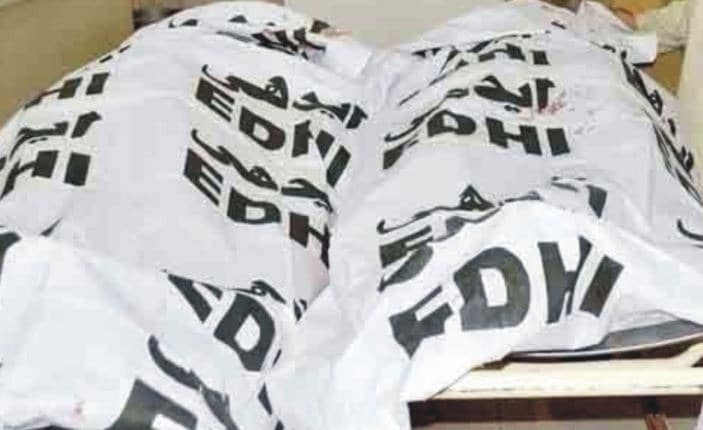
QUETTA: According to police sources, two decomposed and unidentified bodies were recovered from the mountainous area of Spi Kohn in the border region of Tump. The remains have been transferred to RHC Tump, though their identity remains unknown due to their advanced state of decomposition.
The Crisis of Unidentified Recovered Bodies in Balochistan
Over the past decade, the recovery of unidentified, decomposed, and mutilated bodies across various districts of Balochistan has remained one of the most distressing and persistent humanitarian crises in the region.
From remote border areas like Tump and Turbat to outskirts near Quetta, bodies are frequently discovered in desolate ravines, mountainous terrains, and deserted highways by locals or law enforcement agencies.
This grim phenomenon is deeply intertwined with Balochistan’s complex security landscape, marked by decades of insurgency, counter-insurgency operations, target killings, and enforced disappearances.
When bodies are found in advanced stages of decomposition, identifying them becomes exceptionally difficult, robbing grieving families of closure.
While some victims are later identified as missing persons, political activists, or victims of tribal and criminal violence, many remain nameless, buried in anonymous graveyards by local charities.
The persistence of these grim discoveries underscores systemic failures in forensic infrastructure and missing persons tracking. Balochistan lacks advanced forensic and DNA profiling facilities capable of swiftly identifying decayed remains.
Consequently, local administrations often rely on hasty burials. Human rights organizations and civil society groups have repeatedly called for transparent investigations, credible judicial inquiries, and independent forensic teams to determine the causes of death and hold perpetrators accountable.
Until systematic accountability, advanced forensic investigation, and effective human rights protections are established, these tragic recoveries will continue to cast a long shadow over the province’s socio-political fabric.