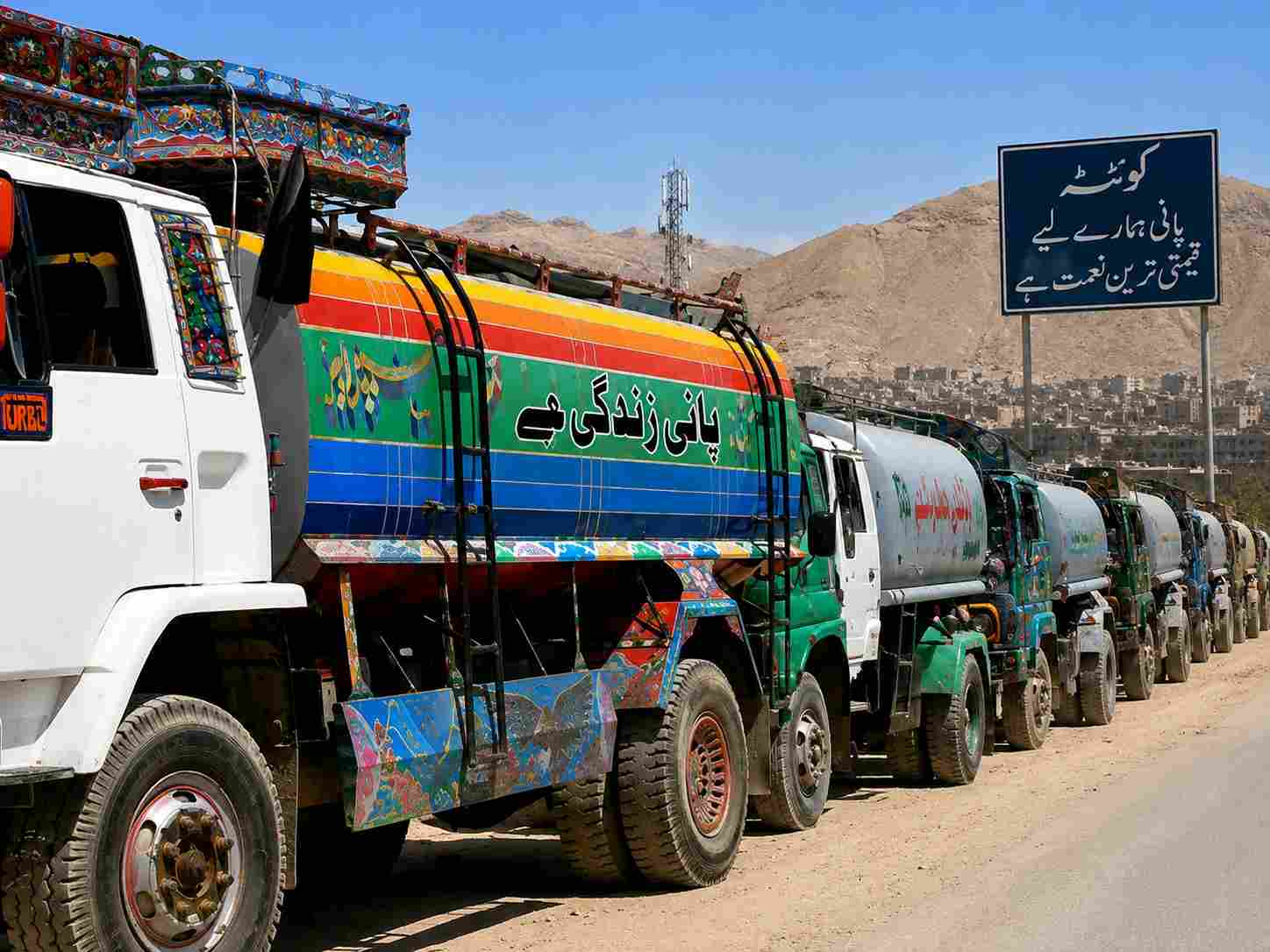
QUETTA: Pakistan’s southwestern city of Quetta is facing a worsening water crisis as groundwater levels continue to decline, leaving thousands of residents without regular access to clean water and forcing many to depend on expensive private water tankers.
Water supply by the Water and Sanitation Agency (WASA) has either stopped completely or become highly irregular in several parts of the provincial capital, including Sammungli Road, Jinnah Town, Sariab, Qambrani Road, Sarki Road, Rehmat Colony, Bank Colony, Satellite Town and Sabzal Road.
Amid soaring summer temperatures, residents said elderly people, women and children are being forced to travel long distances every day to fetch water.
Many households reported that no water had reached their taps for the past six months, despite regularly paying WASA bills. Residents said repeated complaints to the authorities had produced little more than assurances, with no lasting solution to the crisis.
With the public water supply severely disrupted, private tanker operators have become the only source of water for many families. Residents accused the so-called “tanker mafia” of exploiting the shortage by charging excessive prices.
Water tankers are reportedly being sold for between 3,000 and 4,000 Pakistani rupees across much of the city, while prices in some neighbourhoods have risen to between 5,000 and 7,000 rupees per tanker.
Citizens also complained that there is no official pricing mechanism or effective government oversight to regulate tanker operators.
Residents questioned how private suppliers continue to have access to sufficient water while WASA’s major storage reservoirs remain empty, raising concerns about the utility’s management and oversight.
According to WASA, Quetta requires around 50 million gallons of water per day, but the agency is currently able to supply only 30 million gallons, leaving a daily shortfall of approximately 20 million gallons.
The agency operates 417 tube wells across the city, but around 50 are currently out of service, further reducing water availability.
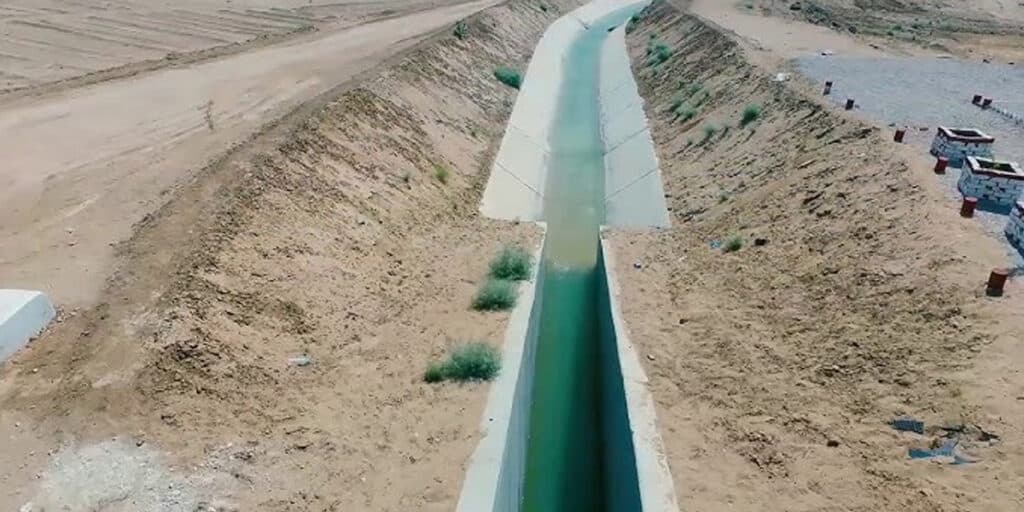
Experts attribute the crisis to the unchecked extraction of groundwater through illegal tube wells, excessive groundwater consumption, declining rainfall, the lack of new reservoirs and dams, and the absence of an effective groundwater recharge system.
They warn that unless urgent measures are taken, Quetta could face a severe water emergency within the next few years.
Residents have urged the Balochistan government and Chief Minister to take immediate action by restoring WASA’s damaged tube wells, cracking down on illegal tanker operators, constructing new dams and water reservoirs, and ensuring the prompt restoration of water supply to the worst-affected neighbourhoods.