ISLAMABAD: Port operations across Pakistan have witnessed a notable increase following Iran’s retaliatory closure of the Strait of Hormuz, a move that came in response to recent US-Israel attacks.
In this regard, the port recorded a significant rise in vessel traffic during the month of March. A total of 17 ships handled approximately 450,000 tonnes of petroleum fuel, indicating one of the highest levels of activity in recent months.
These shipments arrived from multiple international sources, including Oman, Fujairah, Singapore, Sohar, Yanbu, and Iraq.
In this sense, mentioned that operational efficiency at Port Qasim has improved due to the introduction of night navigation for liquefied petroleum gas (LPG) carriers.
This development, combined with upgraded infrastructure and the availability of dedicated terminals, has ensured smooth handling of cargo without congestion.
As a result, port operations have continued seamlessly despite increased demand and regional uncertainties.
The breakdown of shipments indicates that 11 vessels transported around 417,000 tonnes of petroleum products, while an additional six ships carried approximately 33,000 tonnes of LPG.
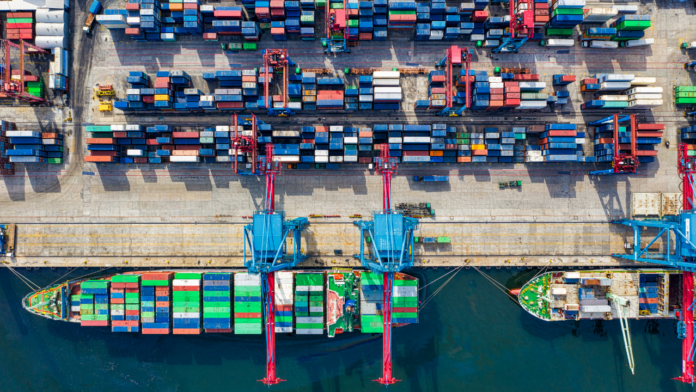
Furthermore, transshipment operations have also experienced growth. The Qasim International Container Terminal handled 3,485 twenty-foot equivalent units (TEUs) across two vessels, demonstrating continued momentum in containerized cargo movement.
The recent developments underline Pakistan’s growing strategic importance as an alternative maritime route in times of regional instability, while authorities continue to monitor the situation closely to maintain operational resilience and stability.