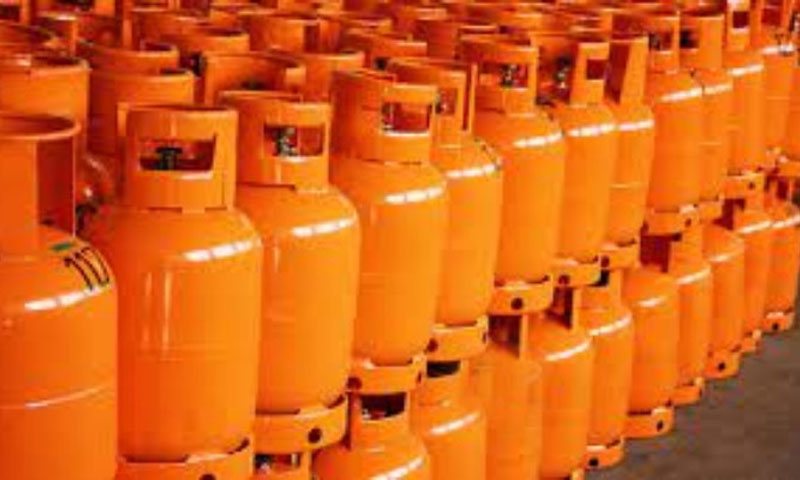
QUETTA: Rising liquefied petroleum gas (LPG) prices in Balochistan are adding pressure on households and small businesses, as supply disruptions linked to tensions in Iran push costs higher.
Market sources said LPG prices in Quetta have surged by nearly 100 rupees per kilogram over the past month. The price has now reached around 370 rupees per kg, sharply increasing expenses for domestic users, hotels, and tea stalls.
Traders said supply has been affected by border disruptions with Iran, a key source of LPG for the region. When cross-border supplies decline, demand rises and prices spike. Retailer Hashim Ahmed said prices increased by about 35 rupees per kg during the Eid period alone, with a broader surge recorded in recent weeks.
Small businesses that rely heavily on LPG are among the worst affected. Ali Ahmed Khan, a tea shop owner in Quetta, said rising gas prices have made it difficult to sustain operations. He said input costs, including flour, milk, and sugar, have already increased, leaving little room for profit.
He added that tea shops consume large volumes of LPG daily. Higher fuel costs directly raise operating expenses. He said he is considering increasing the price of a cup of tea by around 20 rupees to offset losses.
Experts said LPG is not just a household fuel in Balochistan but a key part of daily life. Limited access to natural gas in many areas forces homes, hotels, bakeries, and small restaurants to depend on LPG.
Economists warned that rising LPG prices could trigger a new wave of inflation. As business costs increase, vendors are likely to pass on the burden to consumers. This could push up the prices of tea, bread, and other food items.
Also Read: Balochistan Introduces Contribution-Based Pension System
Analysts said prices may rise further if border trade and supply chains with Iran are not restored soon. They warned that continued disruptions could deepen economic strain on households and small businesses across the province.