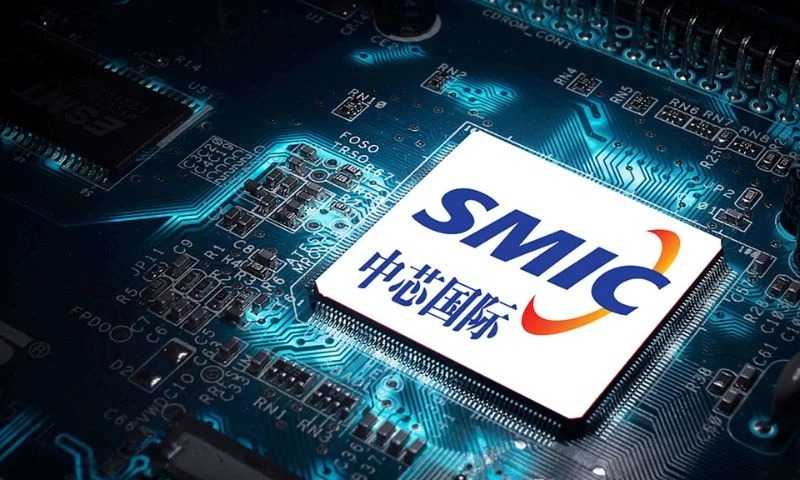
WASHINGTON: US officials have accused China’s leading semiconductor firm, SMIC, of supplying chipmaking support to Iran’s military, adding new strain to global geopolitical tensions.
Two senior U.S. officials told Reuters that shipments of semiconductor manufacturing tools from SMIC to Iran’s military-industrial complex began about a year ago and may still be ongoing.
Officials said the cooperation may have gone beyond equipment supply. They suggested SMIC could have provided technical training in semiconductor technologies, potentially boosting Iran’s domestic electronics and defense capabilities.
The allegations come as the United States and Israel remain locked in a month-long conflict with Iran. The conflict has disrupted global markets, pushed oil prices higher, and fueled inflation concerns.
Washington has not confirmed whether the equipment included U.S.-origin technology. If it did, the transfers could violate existing sanctions on Tehran.
Neither SMIC nor officials in China or Iran have publicly responded. Beijing has repeatedly said its trade with Iran is purely commercial and within international norms. SMIC has also denied links to military-related activities.
The claims risk further straining U.S.-China relations. Ties are already tense due to Washington’s efforts to limit China’s access to advanced semiconductor technology.
The United States has imposed export controls on SMIC. These restrictions limit its ability to obtain advanced chipmaking equipment from American firms such as Lam Research, KLA, and Applied Materials.
The allegations follow earlier reports that Iran was nearing a defense deal with China involving anti-ship missile systems. Analysts say this points to a broader pattern of strategic cooperation between the two countries.
U.S. officials warned that such semiconductor tools could support a wide range of military electronics, potentially strengthening Iran’s defense infrastructure.
Also Read: Trump Pauses Strikes on Iran’s Energy Sites for 10 Days
China has maintained a neutral stance on the Middle East conflict. Foreign Minister Wang Yi recently called for immediate peace talks. However, the new allegations could complicate Beijing’s diplomatic position and deepen mistrust between Washington and Beijing.