KARACHI: The country is already experiencing significant economic repercussions as the government has sharply increased petroleum prices, triggering concern among businesses and ordinary citizens alike.
The government recently raised petrol and diesel prices by Rs55 per litre, a decision that has surprised many traders and industry representatives.
India has managed to keep petrol and diesel prices stable despite global oil price fluctuations, though it has increased the price of liquefied petroleum gas (LPG).
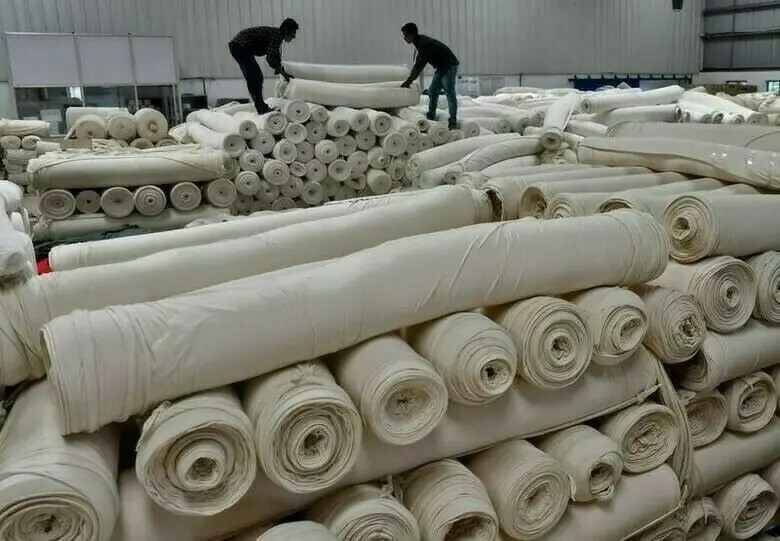
“The easiest way to extract money is to burden ordinary citizens and damage an already struggling economy,” said Syed Shakil, a worker in the textile industry.
He warned that the sector, which is already facing difficult conditions, could encounter even tougher challenges if the Middle East conflict continues.
“We are already operating on very thin profit margins,” said Amir Aziz, a textile exporter supplying products to European markets.
“If inflation rises further, we will not be able to produce competitively priced goods for international markets.”
In this regard, Aziz added that while exports to Europe remain unaffected for now, shipping companies have already raised freight charges, making upcoming consignments more expensive.
The federal government borrowed Rs2.413 trillion from banks during the first eight months of the current fiscal year, compared to Rs724 billion in the same period last year.
Domestic debt has also surged, increasing by Rs5.734 trillion between January 2025 and January 2026 to reach Rs55.978 trillion.
In this sense, economists caution that if the Middle East conflict continues, Pakistan may require additional external financial inflows.
Although the State Bank’s foreign exchange reserves have recently risen to $16.3 billion.