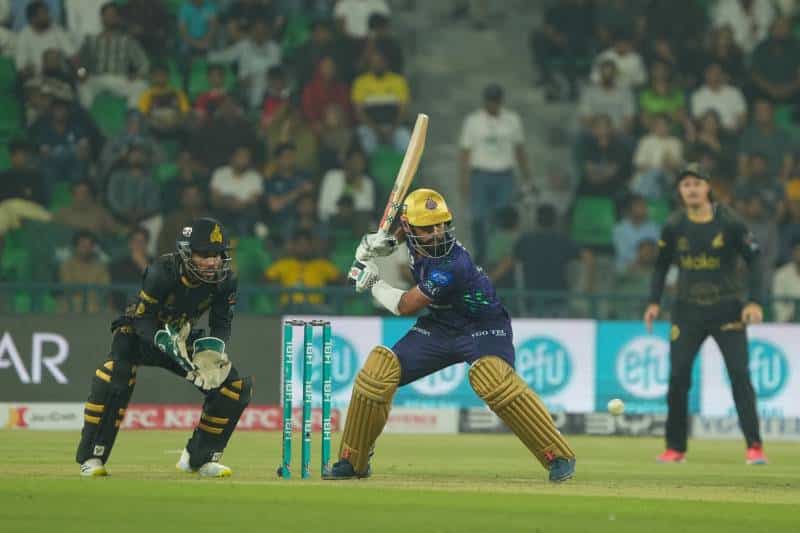
DUBAI: The International Cricket Council (ICC) has imposed a fine on Pakistani batter Fakhar Zaman for violating the Code of Conduct.
According to the ICC, during the final of the recent tri-nation series against Sri Lanka, Fakhar Zaman was fined 10% of his match fee for breaching the Code of Conduct.
The violation was related to Article 2.8, which concerns showing dissent or protesting aggressively against an umpire’s decision during an international match.
Fakhar Zaman was also given one demerit point.
During Pakistan’s innings in the 19th over of the final, Fakhar Zaman was seen engaging in a prolonged discussion with the umpires following his dismissal.
Pakistan won the tri-nation series by defeating Sri Lanka by six wickets in the final.
The International Cricket Council (ICC) Code of Conduct governs player behavior during international matches, emphasizing respect for match officials, including umpires. One of the critical aspects of this code is handling dissent or aggressive reactions to umpire decisions.
Article 2.8 specifically addresses situations where a player shows serious dissent, protests, or reacts aggressively toward an umpire’s decision during a match. Its main purpose is to maintain the authority of umpires and ensure matches are conducted fairly and respectfully.
Examples of violations include arguing excessively or vocally with the umpire after being declared out, displaying inappropriate gestures, angry body language, or visible frustration toward a decision, and any conduct that could intimidate, threaten, or harass the match official.
Consequences and penalties for violating this rule can include financial fines, typically ranging from 10% to 50% of the match fee depending on the severity of the incident, and demerit points which accumulate over time and can lead to match suspensions if a certain threshold is exceeded.
Severe or repeated violations may result in suspension from upcoming matches, while minor incidents may result in official warnings and guidance from the match referee.
The implementation of the rule involves umpires reporting any incidents of dissent to the ICC Match Referee, who reviews the situation considering the severity, intent, and the player’s past record before deciding on appropriate penalties.
The importance of this rule lies in ensuring that cricket remains a game of sportsmanship and respect, protecting the authority of umpires so they can make fair decisions without undue pressure, and preventing conflicts from escalating on the field, thereby preserving the spirit of the game.
In summary, players may politely ask for clarification regarding umpire decisions, but prolonged arguments, visible anger, or aggressive protest are strictly prohibited.
Violations can result in fines, demerit points, or suspensions depending on the nature and frequency of the offense.