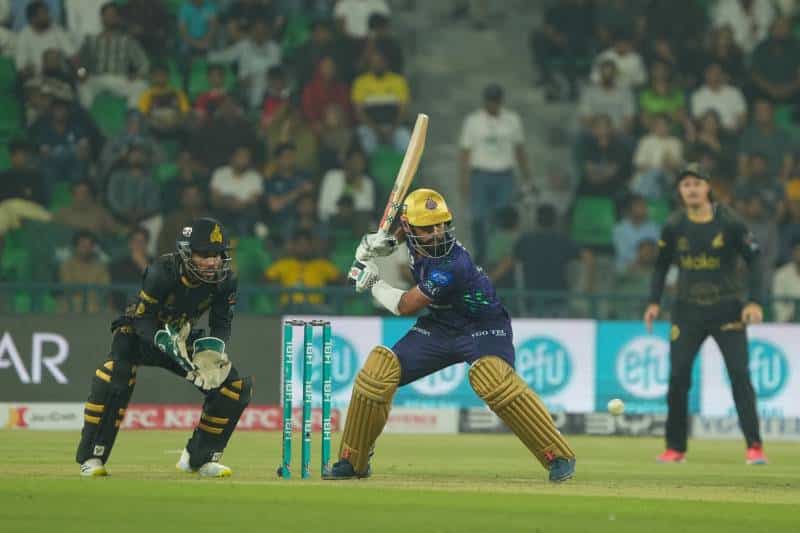
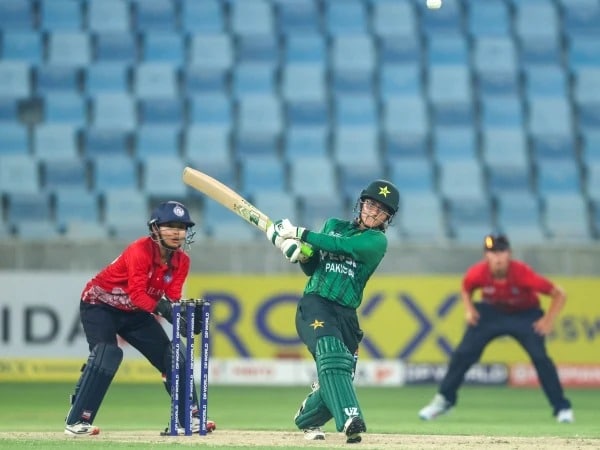

DUBAI: Pakistan women’s national cricket team started their Women’s Asia Cup campaign on a strong note, securing a comfortable 35-run victory against Thailand in their opening fixture.
Batting first, Pakistan posted 119 runs for the loss of 9 wickets in their allotted 20 overs.
In response, the Thailand women’s team was restricted to 84 for 8 in their 20 overs, with Chanida emerging as their top scorer with 25 runs.
Sadia Iqbal led the bowling attack for Pakistan by picking up 3 wickets, while Tuba Hassan chipped in with 2 wickets.
Muneeba Ali played a stellar knock and was named player of the match for her brilliant half-century, ensuring a winning start for Pakistan in the prestigious Women’s Asia Cup.
Additional Sports Briefing: Global and Regional Tournaments
In parallel with ongoing regional rivalries, cricket boards continue to fine-tune schedules for upcoming global showcases, keeping fans engaged with continuous international action.
Administrators have finalized extensive preparatory camps and bilateral windows to ensure peak physical and tactical readiness ahead of major multi-nation tournaments.
Squad rotations and emerging talent trials remain a core priority for team management as they balance immediate competitive pressures with long-term developmental goals across both men’s and women’s formats.
History of Women’s Asia Cup Events
The Women’s Asia Cup has evolved significantly since its inception, serving as a premier platform for showcasing the growth and competitiveness of women’s cricket across the continent.
Launched in 2004 under the auspices of the Asian Cricket Council with an initial ODI format played between India and Sri Lanka, the tournament gradually expanded to include other regional powerhouses like Pakistan and Bangladesh.
Over the years, the competition shifted to the faster-paced T20 format starting in 2012 to align with global trends and boost fan engagement.
India has historically dominated the championship list, though historic milestones—such as Bangladesh’s emotional title victory in 2018 and Sri Lanka’s triumphant campaign in recent editions—highlight the narrowing gap and increasing competitiveness among Asian sides.
ALSO READ: Pakistan Confirms South Asian Games Schedule for Next April
These tournaments continue to provide essential exposure, helping associate and full-member nations alike elevate their standard of play on the international stage within the Women’s Asia Cup.