GENEVA: Diplomatic efforts to end the war between the United States and Iran have intensified, with high-level envoys from both countries heading to Switzerland for negotiations. However, despite a ceasefire in Lebanon, continued Israeli strikes have posed a new challenge to the peace process.
According to international news agency Reuters, diplomatic activity to de-escalate tensions between the US and Iran has increased, and representatives of both countries are arriving in Switzerland for talks aimed at a ceasefire and a lasting peace agreement.
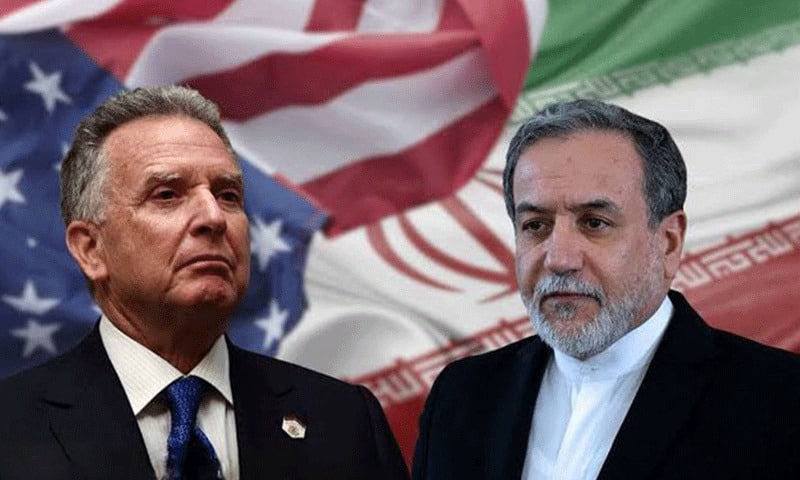
US President Donald Trump’s special envoy Steve Witkoff, along with Jared Kushner, who is already present, will participate in the negotiations. Iranian Foreign Minister Abbas Araghchi will also begin technical-level talks in Geneva. The objective of the discussions is to transform a temporary agreement reached earlier this week into a permanent regional peace deal.
The Swiss Foreign Ministry has confirmed that it is ready to host the talks. Earlier, US Vice President JD Vance cancelled his planned visit due to the tense situation.
According to Al Jazeera, the diplomatic breakthrough comes at a time when a ceasefire between Israel and Hezbollah has been announced in Lebanon. However, Israeli attacks continued in southern Lebanon despite the agreement. Residential buildings in Nabatieh and surrounding areas were hit by Israeli airstrikes, drone strikes, and artillery shelling, resulting in multiple casualties.
Reports suggest that after 47 deaths in Israeli strikes, a ceasefire agreement was reached between Israel and Hezbollah. Iran has stated that the United States must guarantee that Israel complies with the terms of the agreement.
Iranian Foreign Minister Abbas Araghchi said the United States has a responsibility to play its role in ending conflicts on all fronts, particularly in Lebanon. He also discussed the issue during a phone call with his Pakistani counterpart.
According to sources, the upcoming 60-day negotiations will cover Iran’s nuclear program and other key issues. The process is being seen as important for reopening the Strait of Hormuz, restoring global oil supply chains, and stabilizing energy prices.
Following the interim agreement, crude oil prices in the global market have declined, while Iran is reportedly expected to receive potential relief from economic sanctions, restoration of frozen assets, and financial assistance for reconstruction.
On the other hand, some Republican leaders in the United States have criticized President Trump for making concessions to Iran. However, Trump defended the agreement, saying Iran has been weakened by war and that the next 60 days will be crucial.
Meanwhile, UNICEF has expressed concern over the situation in Gaza, stating that despite a ceasefire declared in October last year, Israeli attacks have resulted in the death of an average of one Palestinian child per day.