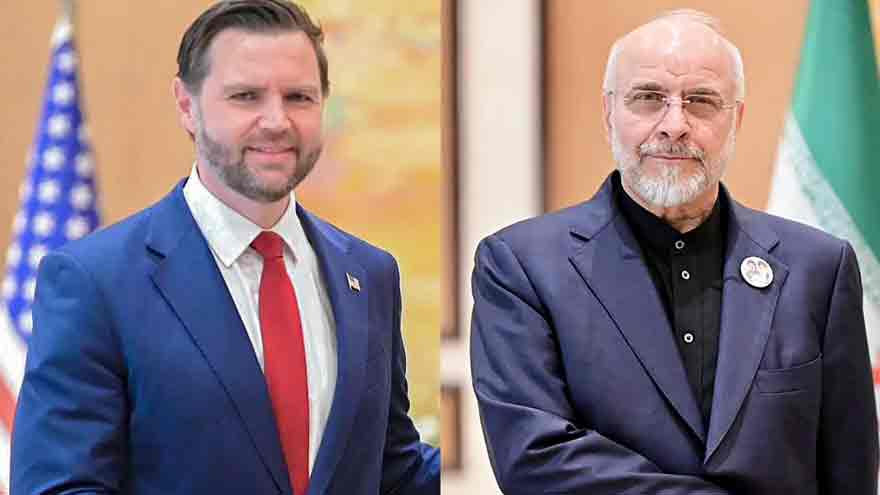
NEW YORK: The United States and Iran are exploring a possible phased agreement that could reopen the Strait of Hormuz and ease Washington’s economic pressure on Tehran, according to sources familiar with the talks in New York.
The negotiations are focused on finding a way to end the confrontation between the two countries, with the strategically important waterway emerging as a key issue in the discussions.
Under a possible phased arrangement, Iran could allow shipping to resume through the Strait of Hormuz, while the United States could ease or lift economic restrictions on Iran. The sources said Tehran could also seek access to frozen assets as part of a broader agreement.
Strait of Hormuz at Center of US-Iran Talks
The Strait of Hormuz has become a major point of leverage in the negotiations. Iran is seeking relief from economic restrictions that have affected its economy, while Washington wants shipping traffic to move freely through one of the world’s most important energy routes.
A senior Iranian official told Reuters that resolving the dispute in stages could provide a possible path forward.
However, the talks face significant challenges because neither side wants to give up its leverage without receiving concrete concessions in return.
Iran Seeks Relief From Economic Pressure
Iranian officials have indicated that ending the economic blockade is a priority for Tehran. Regional sources said Iran could be willing to move its demand for transit fees in the Strait of Hormuz from the main agreement to a separate document.
Gulf states, however, have reportedly rejected the proposal for transit fees. According to regional sources, any decision to defer the issue would not represent a formal abandonment of Iran’s position.
The United States, meanwhile, has continued to increase economic pressure on Iran through sanctions targeting its oil exports and other economic networks.
Trump Says Deal Could Come After US Midterm Elections
US President Donald Trump has said he believes Washington and Tehran could reach an agreement after the November 3 congressional midterm elections.
A senior European official said Iran had presented a lengthy list of demands, highlighting the difficulties facing the negotiations.
A White House official said Trump remained open to negotiations under what Washington considers appropriate circumstances, while arguing that the United States currently holds significant leverage over Tehran.
Former US negotiator Dennis Ross told Reuters that he saw a limited possibility of an agreement being reached before the midterm elections, while suggesting that both sides could have political and economic reasons to reach an understanding before the vote.
Gulf States Call for Freedom of Navigation
Gulf leaders have also been closely involved in discussions over the future of the Strait of Hormuz.
During a meeting with Trump in New York, Gulf leaders reportedly sought greater clarity about Washington’s longer-term strategy toward Iran and expressed opposition to Iranian control of the strategic waterway.
Regional officials said Gulf states want freedom of navigation restored while also pushing for diplomatic efforts to prevent another escalation in the region.
The Strait of Hormuz is particularly important to global energy markets because it is a major route for oil shipments from the Gulf.
Diplomatic Efforts Face Major Challenges
Despite the ongoing discussions, officials and analysts cited by Reuters said fundamental differences between Washington and Tehran remain unresolved.
Iran is seeking the removal of economic pressure before making major concessions, while the United States wants its pressure campaign to produce changes in Iran’s position.
Iranian officials have also indicated that Tehran is preparing for the possibility that diplomatic efforts could fail and tensions could rise again.
The New York negotiations therefore remain focused on whether both sides can convert their existing leverage into a temporary or broader agreement, particularly over the reopening of the Strait of Hormuz and the easing of economic restrictions on Iran.