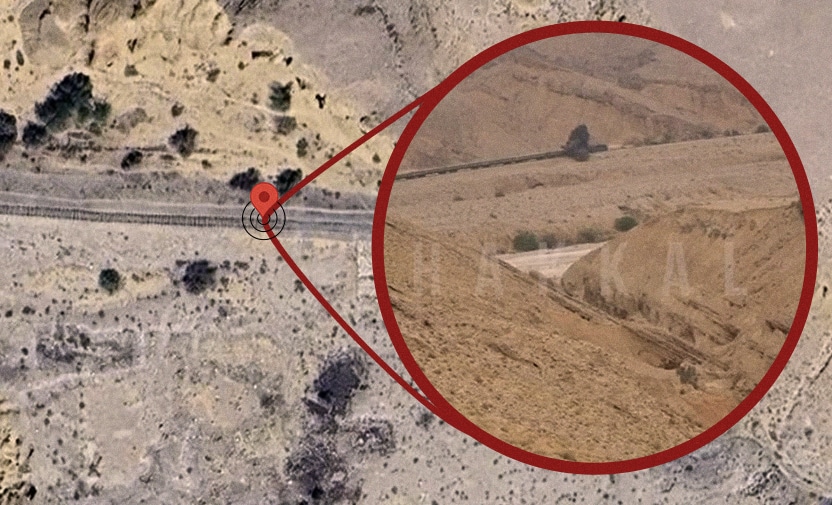


QUETTA: A small drone is reported to have accidently fallen near a general area in Harnai.
According to the security officials, an unarmed training drone fell in a general area of Harnai.
The drone, used to training, was not weaponized and the incident did not cause any damage.
It is worth mentioning that many such incidents take place during military training on account of technical failures.
Foreign-backed militant groups make false claims about the incidents and mislead the people on the social media in the wake of the fifth generation hybrid war. However, It is necessary for the people to make Fact-Checks in this regard.
ALSO READ: Ukraine Drone Strikes Kill 10 in Russia, Occupied Territories
Fortunately , the incident took place in a vacant place and no damage was done in the end.
Drones accidentally falling during training exercises represent a critical hazard across military, commercial, and recreational sectors.
These mishaps typically stem from a variety of technical and operational factors, including unexpected mechanical failures, software glitches, lost Global Positioning System (GPS) signals, erratic communication links, or sudden severe weather conditions.
When unmanned aerial vehicles (UAVs) experience power loss or control signal disruption mid-flight, they can plummet unpredictably from the sky, posing severe risks to personnel on the ground, civilian infrastructure, and surrounding property.
To mitigate these dangerous incidents, operators and defense forces enforce strict safety protocols during training operations.
These measures include establishing designated and restricted flight corridors, maintaining clear safety buffers away from populated areas, and utilizing advanced parachute recovery systems or automated return-to-home fail-safes.
Furthermore, mandatory pre-flight inspections, rigorous simulator training for pilots, and routine maintenance routines are vital for identifying component wear before it leads to catastrophic mid-air failures.
Despite these preventative procedures, the inherent complexities of aerospace engineering and unpredictable environmental variables mean that training accidents remain an ongoing challenge for aviation safety managers worldwide, continually necessitating improved fail-safe mechanisms and stricter regulatory oversight.