NEW DELHI: The renewed debate has emerged following controversial remarks made during a discussion on birthright citizenship, with particular attention focused on a segment that has drawn criticism for its tone and implications.
The speaker claimed that children born in the United States automatically gain citizenship, after which, according to the statement, extended family members migrate from countries such as China, India, and others.
The comments further suggested concerns about cultural integration, alleging that English usage has declined and that loyalty among newer immigrant communities is diminishing. These assertions have sparked criticism from various quarters, with observers noting that such generalizations risk oversimplifying complex immigration patterns and social dynamics.
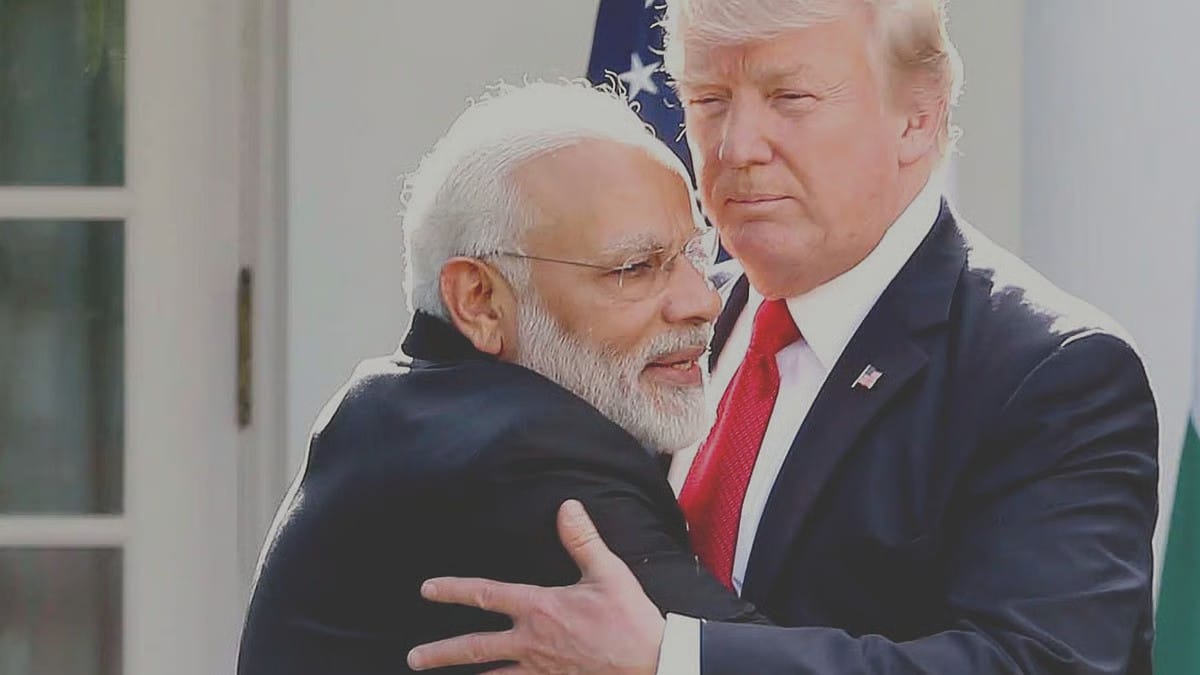
In this regard, the Congress slams Modi’s government for his weak response to Trump’s comment on Birthright citizenship, and it is considered as a weak Indian’s foreign policy.
In a related development, claims have circulated on social media alleging that former U.S. President Donald Trump referred to India using derogatory language. However, there is no verified or credible public record confirming that he explicitly called India a “hell.” While Trump has previously made controversial remarks about immigration and certain countries, this specific claim remains unsubstantiated.
The discussion has also extended into political commentary regarding India’s leadership. Critics argue that Indian Prime Minister Narendra Modi should respond more assertively to any perceived disrespect from international figures. Others, however, maintain that diplomatic engagement often requires restraint and careful consideration of broader bilateral relations.