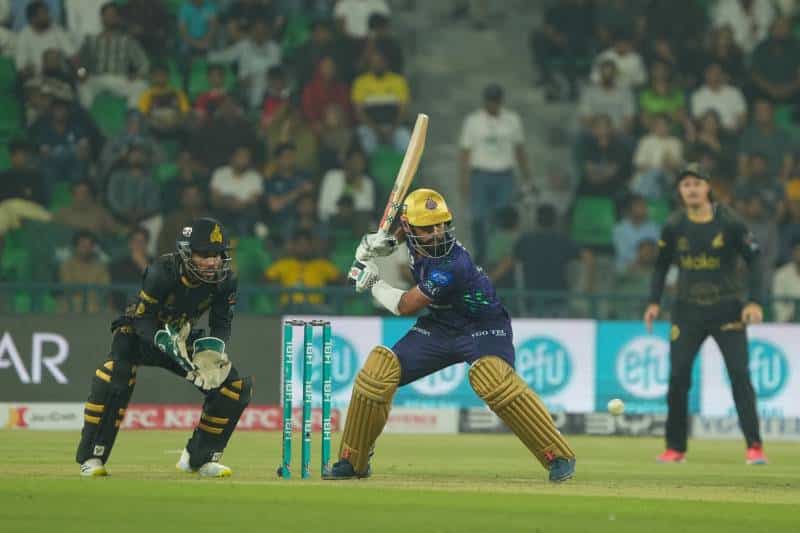

MUMBAI: A Chennai Super Kings wicket- keeperCricket Rachit Bhatia of Chennia Super Kings has admitted his involvement in spot fixing in the 2025 addion of the Indian Premier League (IPL).
According to an Indian Journalist Pratyush Halder on his X account, the Indian Premier League (IPL) has once again found itself engulfed in controversy following a sweeping undercover investigation.
According to a special investigation report by Tehelka, confidential information regarding team playing XIs during the IPL matches was allegedly funneled to international betting syndicates in London.
The investigation centers around former first-class cricketer Rachit Bhatia, who was captured on hidden cameras detailing how sensitive inside information linked to the Chennai Super Kings (CSK) franchise was leaked.
🚨 VANSH BEDI WAS INVOLVED IN SPØT FIXIÑG IN IPL 2025 🚨
– A player who was part of the CSK squad in 2025 IPL engaged in spot fixiñg with a bøokie.
– That player belongs from Delhi. And he used to leak the playing XI even before the toss and inside infos of CSK dressing room to… pic.twitter.com/d0fyTBXLP6
— Pratyush Halder (@pratyush_no7) September 21, 2026
Bhatia allegedly admitted to pocketing around Rs 60 lakh per match across five fixtures, accumulating a total of approximately Rs 3 crore through these illicit channels.
The sting operation reveals that the leaked details were transmitted to overseas bookies using encrypted communication platforms like Snapchat ahead of the official toss.
Furthermore, the explosive disclosures extend beyond the premier T20 tournament, touching upon historical domestic fixtures such as the 2018–19 Syed Mushtaq Ali Trophy, where spot-fixing methods—including intentionally bowling wide deliveries for monetary gains—were discussed.
The network’s scope reportedly expanded further into regional tournaments like the Delhi Premier League (DPL), where pre-match team compositions were allegedly traded for substantial sums.
As these troubling revelations surface regarding the Indian Premier League (IPL), sports governing bodies and anti-corruption units face mounting pressure to launch formal inquiries into the security of team dressing rooms.
Historical Echoes: Notorious Spot-Fixing Scandals That Shook Cricket
The integrity of international and domestic cricket has historically been tested by high-profile corruption and spot-fixing scandals that forced governing bodies to tighten anti-corruption protocols.
One of the most infamous incidents occurred during the 2010 Pakistan tour of England, when a News of the World undercover sting exposed captain Salman Butt, Mohammad Asif, and Mohammad Amir for deliberately bowling pre-determined no-balls on command.
That scandal led to criminal convictions in British courts and lengthy global bans imposed by the International Cricket Council (ICC), serving as a stark reminder of how vulnerable the sport is to external betting syndicates.
Similarly, the 2013 Indian Premier League spot-fixing and betting scandal sent seismic shocks through the cricketing world when multiple players, including international and domestic names, alongside franchise officials, were arrested or implicated for illegal betting connections and spot-fixing outcomes.
These recurring breaches—much like the latest developments concerning the Indian Premier League (IPL)—demonstrate that underground networks continuously seek to exploit player access and confidential data.
ALSO READ: PCB Faces Turmoil as Rizwan and Imam Face Severe Disciplinary Action
Safeguarding the sport requires rigorous monitoring, uncompromising player education, and swift punitive action to preserve public trust, reinforcing why vigilance against corruption remains an absolute necessity for the longevity of the game.