Port Qasim

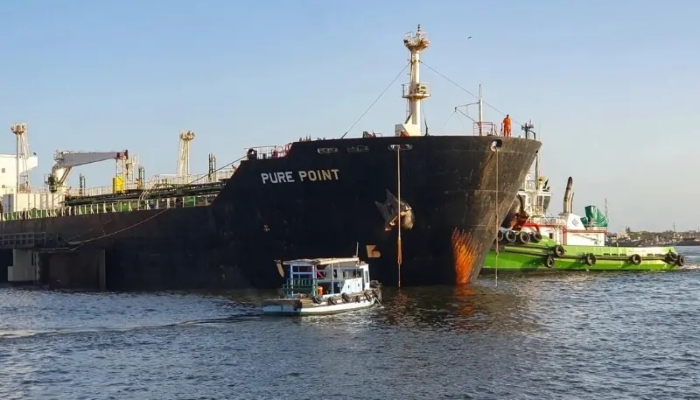
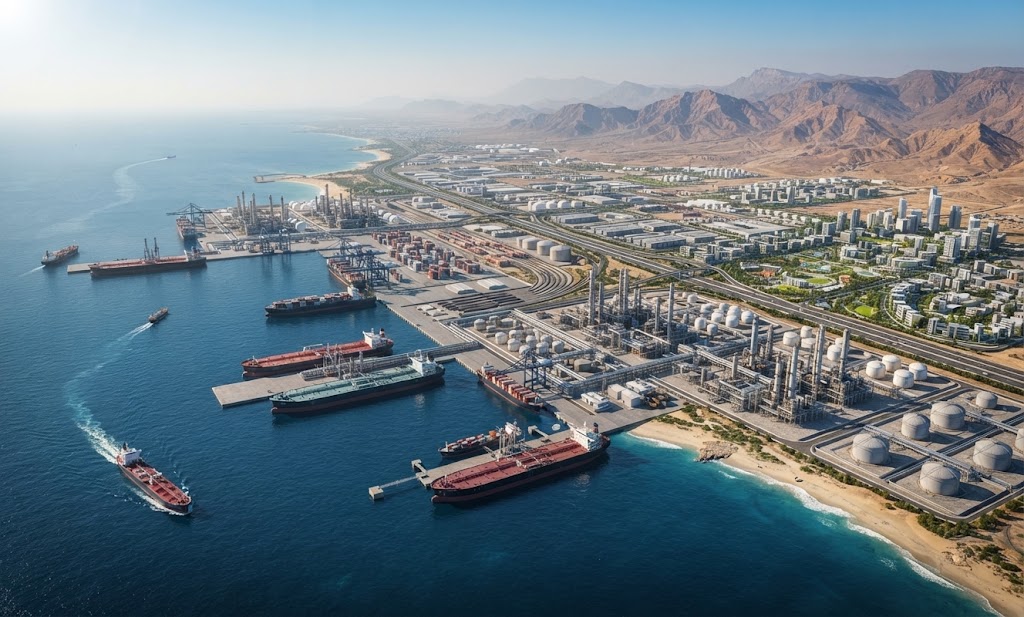
Pakistan Begins Feasibility Study for Hub Oil City QUETTA: Pakistan’s Ministry of Petroleum has launched a feasibility study for establishing a modern oil city in Hub, Balochistan, aimed at developing the country into a major regional petroleum logistics and trading hub. The proposed project highlights Balochistan’s growing role in Pakistan’s economic and energy development plans. If implemented, it would add another major infrastructure project to the province after Gwadar and projects linked to the China-Pakistan Economic Corridor (CPEC). The federal government plans to transform the coastal area of Hub into an international-standard petroleum trading and storage hub. The feasibility study has been awarded to international consulting firm Technip. Offshore Terminal and Oil Storage The proposed oil city will include an offshore single-point mooring (SPM) facility designed to allow large oil tankers to load and unload petroleum cargo. The facility is expected to strengthen the international trading role of Balochistan’s coastline and improve the country’s petroleum import and distribution infrastructure. The project also envisages bonded storage facilities where international companies could store petroleum products without immediately paying applicable taxes and duties. The arrangement is expected to create opportunities for foreign investment in the petroleum sector. Proposed Pipeline Network Two dedicated pipelines have also been proposed to connect the offshore terminal with Pakistan’s existing petroleum supply network. One pipeline would transport crude oil to industrial facilities in Karachi’s Keamari area, potentially supporting the city’s refining industry. The second pipeline would transport petroleum products to Port Qasim and connect with the existing White Oil Pipeline network, helping further integrate the country’s petroleum distribution system. Focus on Energy Security The government says the project forms part of its broader strategy to strengthen and stabilise Pakistan’s energy supply chain and improve petroleum logistics. Once completed, the infrastructure is expected to generate thousands of employment opportunities for local residents and stimulate commercial activity in Hub and surrounding coastal areas. The project could also increase the economic significance of Balochistan’s coastal belt and give the province a greater role in Pakistan’s energy and trade strategy.

Pakistan Begins Feasibility Study for Hub Oil City

QUETTA: Pakistan’s Ministry of Petroleum has launched a feasibility study for establishing a modern oil city in Hub, Balochistan, aimed at developing the country into a major regional petroleum logistics and trading hub. The proposed project highlights Balochistan’s growing role in Pakistan’s economic and energy development plans. If implemented, it would add another major infrastructure […]

Pakistan Begins Feasibility Study for Hub Oil City Read More »
Pakistan to Establish ‘Energy City’ to Boost Blue Economy

Pakistan to Establish ‘Energy City’ to Boost Blue Economy

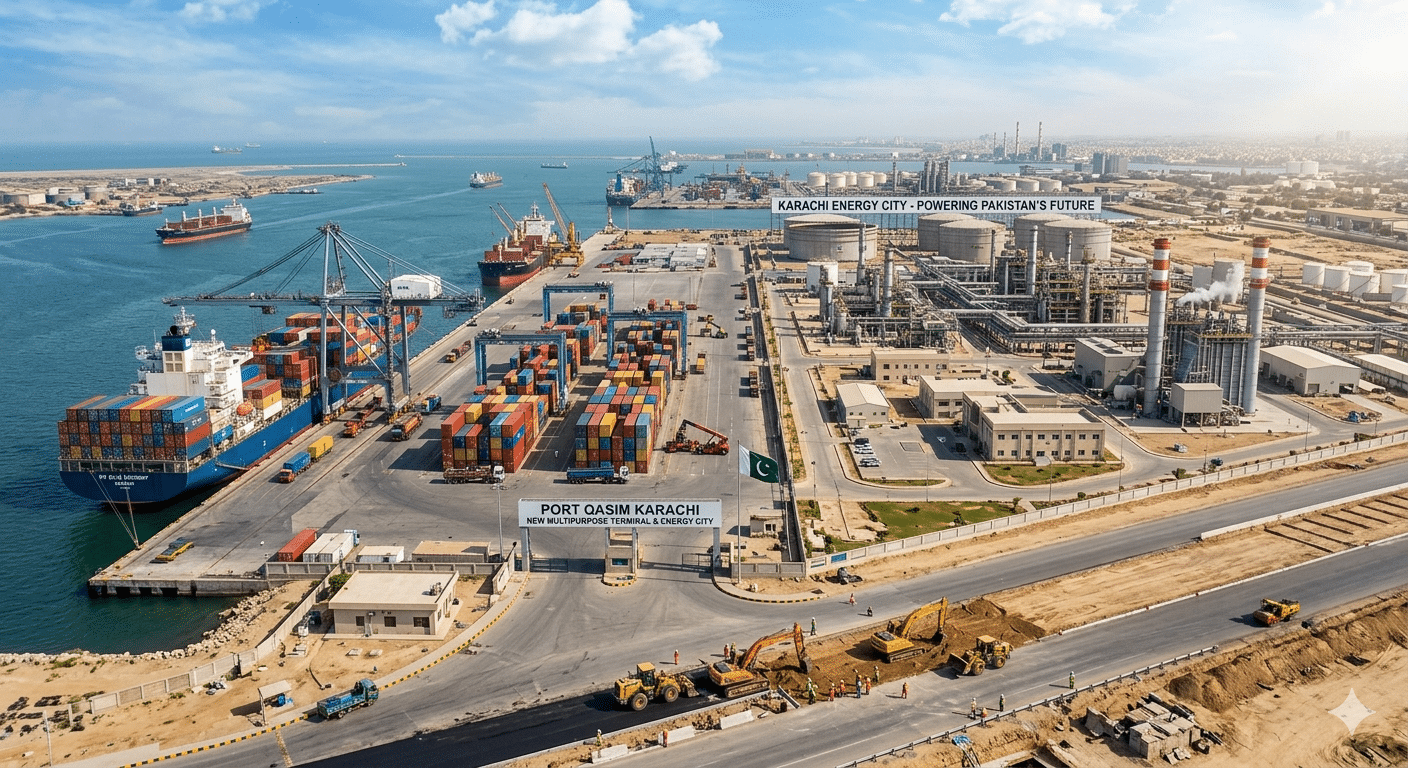
KARACHI: Pakistan plans to develop a new “Energy City” and establish a multipurpose terminal at Port Qasim as part of wider efforts to strengthen the country’s blue economy and modernise maritime infrastructure, Maritime Affairs Minister Junaid Anwar Chaudhry said on Friday. The announcement comes as Pakistan’s maritime sector recorded a historic profit of Rs100 billion

Pakistan to Establish ‘Energy City’ to Boost Blue Economy Read More »

Reko Diq Project enters new era of partnership with SIFC support

Reko Diq Project enters new era of partnership with SIFC support

ISLAMABAD: Pakistan’s multibillion-dollar Reko Diq copper and gold project has entered a new phase of partnership after the Special Investment Facilitation Council (SIFC) removed key financing and investment hurdles. State-owned Oil and Gas Development Company Limited (OGDCL), Pakistan Petroleum Limited (PPL) and Government Holdings Private Limited will back the project with joint corporate guarantees. OGDCL

Reko Diq Project enters new era of partnership with SIFC support Read More »

Scroll to Top