ISLAMABAD: In response to soaring petroleum prices, Prime Minister Shehbaz Sharif has announced a special fuel price relief scheme to shield vulnerable segments of society from economic burdens.
Acknowledging the severe pressure on citizens, the premier stated that the government will not leave the public isolated during these difficult economic times.
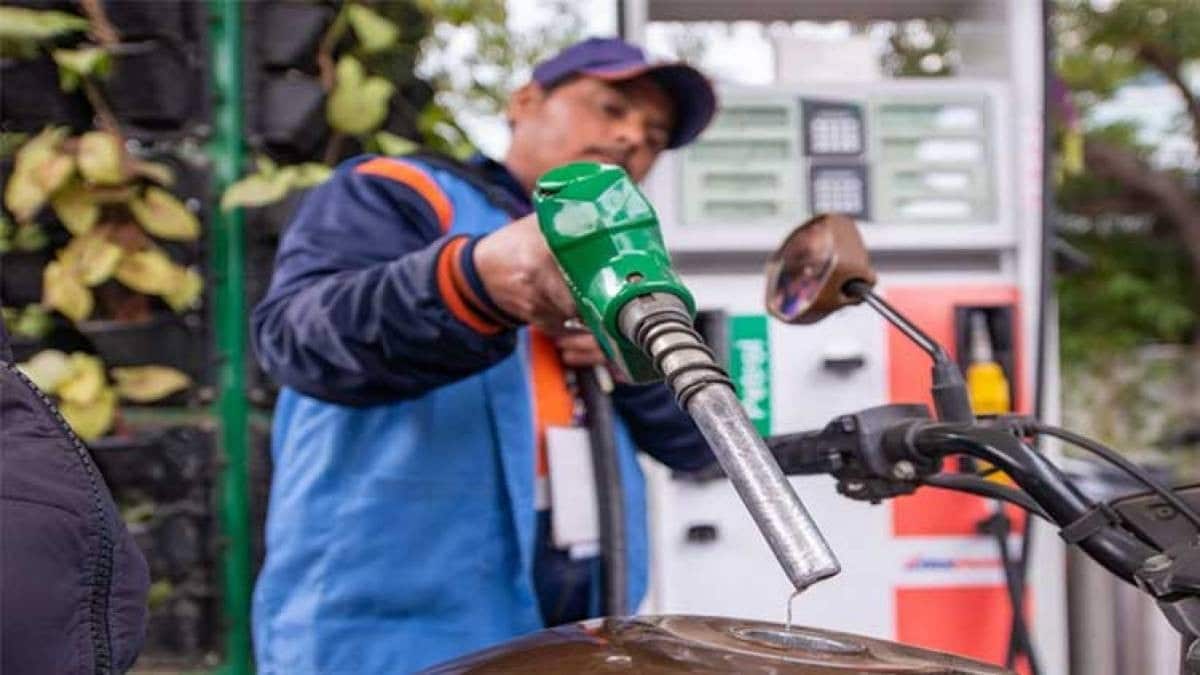
The targeted initiative is specifically designed for users of motorcycles, rickshaws, and small vehicles, providing a direct relief of 100 rupees per litre on petrol.
Under this structure, eligible motorcycle and rickshaw riders will receive a monthly subsidy covering up to 20 litres, granting a total monthly relief of 2,000 rupees.
Furthermore, owners of small cars with engines up to 800cc will receive financial assistance on up to 30 litres of petrol per month under the fuel price relief scheme.
Implementation will begin in Islamabad between Monday and Tuesday night, followed by a nationwide rollout across the rest of the country from Wednesday to Thursday night.
Registration for the program has commenced immediately, with the Prime Minister expressing gratitude to provincial administrations for providing necessary data to facilitate the fuel price relief scheme.
The persistent upward trend in energy costs carries profound implications for Pakistan’s economy, triggering a cascading wave of inflationary pressures across multiple sectors.
Because the country heavily relies on imported petroleum and diesel for logistics, agriculture, and public transport, sudden spikes in energy tariffs directly escalate freight charges, manufacturing expenses, and the market rates of essential daily commodities.
Small-scale businesses, daily commuters, and low-income households bear the heaviest brunt of these escalations, as surging transport fares rapidly shrink disposable incomes and constrain purchasing power.
Furthermore, higher diesel prices increase the operational expenditure of agricultural machinery and tube wells, driving up food inflation and straining rural livelihoods.
While targeted subsidies and relief packages aim to buffer lower-income groups from these immediate shocks, structural volatility in global oil markets continues to challenge macroeconomic stability and expand the national import bill.
ALSO READ: Fuel Prices Across Pakistan Meet New Highs
Consequently, mitigating these cascading hardships requires sustained fiscal prudence, transparency, and effective market monitoring to ensure that relief measures successfully stabilize the vulnerable segments relying on the fuel price relief scheme.