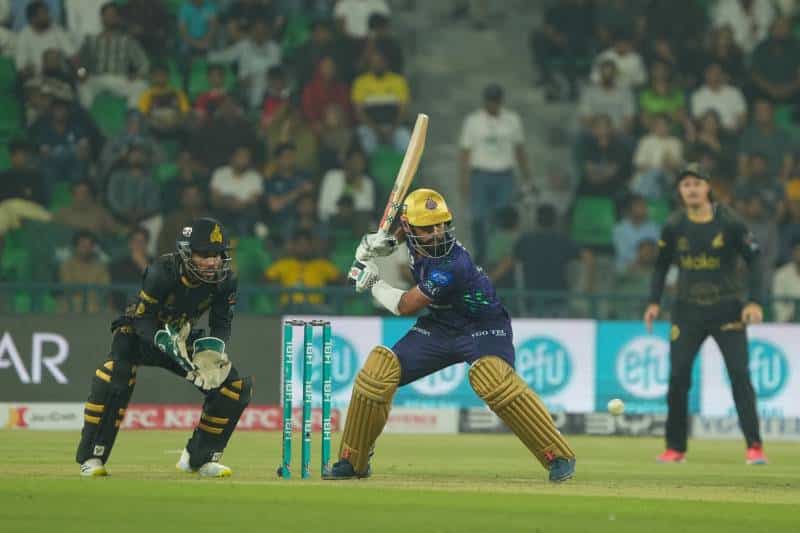

BIRMINGHAM: Pakistan’s batting lineup suffered another dismal collapse on the opening day of the third Test against England at Edgbaston, being bowled out for a paltry 133 runs under the shadow of Pakistan Batting Collapse in Birmingham Test.
England won the toss and elected to field, a decision that proved immensely rewarding as their pace attack dismantled Pakistan’s top order.
Despite the inclusion of four fresh faces in the playing XI, the batting woes persisted unabated. Saim Ayub fell for a duck, Azan Awais managed 9, Abdullah Shafique contributed 3, captain Babar Azam scored 7, Shan Masood and Mohammad Imran chipped in with 5 each, and Ghazi Ghori was dismissed for 4.
Only three batsmen managed to reach double figures: Saud Shakeel top-scored with 43, Mohammad Abbas made 21, and Razaullah added 11.
For England, Josh Tongue wreaked havoc with 4 wickets, while Jofra Archer and Ollie Robinson claimed 3 scalps each. With England already holding an unassailable 2-0 lead in the three-match series, this latest setback underscores the deepening crisis highlighted by Pakistan Batting Collapse in Birmingham Test.
Chronicle of Pakistan’s Chronic Batting Downfall
The recurring batting collapses plaguing the Pakistan cricket team over recent years have transformed from isolated tactical failures into a systemic crisis deeply rooted in the nation’s domestic structure and preparation methodologies.
Historically renowned for producing legendary stroke-makers, resilient accumulators, and world-class match-winners, Pakistan’s batting units have increasingly struggled to adapt to swinging conditions abroad and high-pressure situations at home.
This enduring downfall stems largely from a widening gap between domestic pitches and international surfaces, where batsmen groomed on docile, spin-friendly local tracks find themselves ill-equipped to counter elite pace, lateral movement, and disciplined seam bowling.
Furthermore, frequent structural changes in team management, volatile selection policies, and a psychological fragility under pressure have severely dented player confidence.
Modern Test cricket demands technical discipline, immense concentration, and the ability to construct long innings—traits that have been frequently overshadowed by an over-reliance on flashy stroke-play and erratic shot selection.
Compounding the issue is the lack of a robust red-ball culture in domestic tournaments, which fails to simulate the rigorous demands of overseas Test matches.
ALSO READ: England Beat Pakistan At Leeds in the Opening Test match
Until structural reforms prioritize technique-driven coaching, demanding multi-day domestic formats, and mental conditioning, the alarming vulnerability witnessed in series after series will continue to hinder Pakistan’s resurgence as a dominant force in international red-ball cricket.