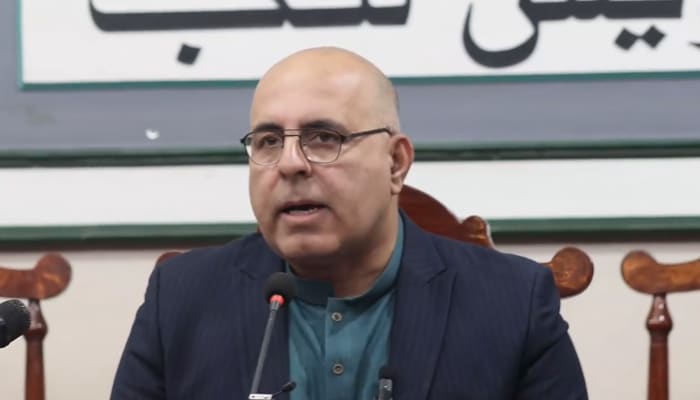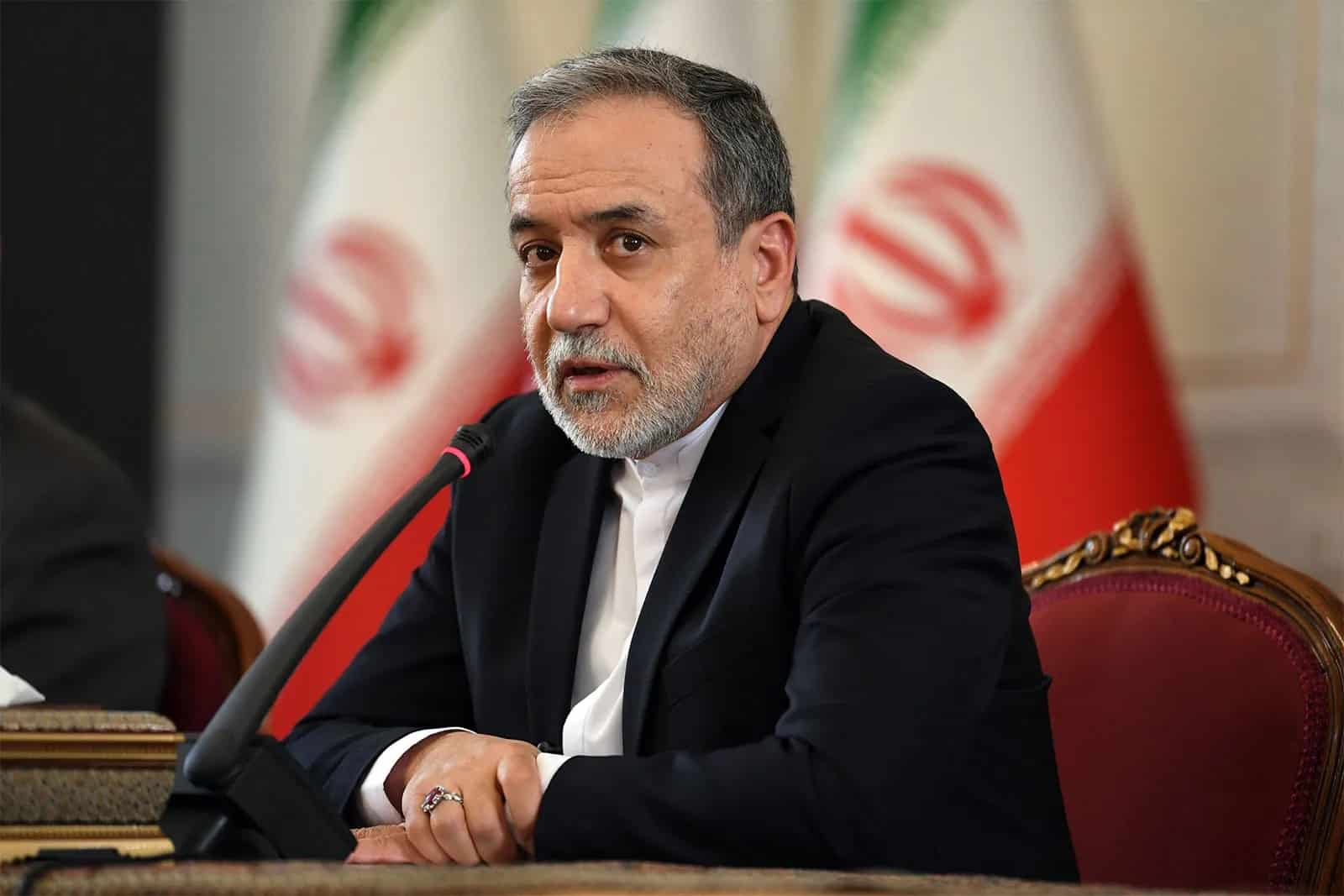
ISLAMABAD / TEHRAN : Iranian Foreign Minister Seyed Abbas Araghchi has announced that the “Islamabad Memorandum of Understanding (MoU)” is closer than ever to being finalized.
In a statement shared on his official X (formerly Twitter) handle, the Iranian top diplomat urged media outlets to exercise restraint and avoid premature speculation regarding the agreement’s specific contents until the process is formally concluded.
“Pending its finalization, the media should refrain from entering speculation about its content,” Araghchi stated.
Reaffirming Iran’s commitment to accountability, the Foreign Minister added, “In line with our responsible and transparent approach, all details will be shared with the public in due course.”
While specific operational details of the Islamabad MoU remain confidential, diplomatic circles view this development as a significant step forward in regional alignment and bilateral diplomacy.
Iran-US Conflict & Pakistan’s Diplomatic Role
The long-standing conflict between Iran and the United States remains a central fault line in Middle Eastern and global geopolitics.
Rooted in decades of strategic mistrust—ranging from the 1979 Islamic Revolution and the collapse of the 2015 JCPOA nuclear deal to crippling economic sanctions and proxy warfare—the friction constantly threatens regional stability.
For Pakistan, which shares a volatile 900-kilometer border with Iran while maintaining a vital strategic partnership with the United States, this polarization poses severe economic and security challenges.
Consequently, Islamabad has historically rejected bloc politics, choosing instead to position itself as a bridge-builder and a voice for regional de-escalation.
Pakistan’s diplomatic doctrine emphasizes that war in the Persian Gulf would have catastrophic spillover effects on its own economy and internal security.
To mitigate this, Pakistan has consistently engaged in quiet diplomacy, offering its good offices to facilitate dialogue and lower the temperature between Washington and Tehran.
By championing non-military solutions, promoting cross-border energy cooperation, and strictly advocating for regional peace, Pakistan acts as a crucial buffer.
It balances its complex international alignments to ensure that the immediate neighborhood does not descend into open conflict.