ISLAMABAD: Pakistan and Qatar have stepped up diplomatic efforts to preserve the Iran-U.S. peace process as regional tensions escalate following recent military developments, according to diplomatic sources.
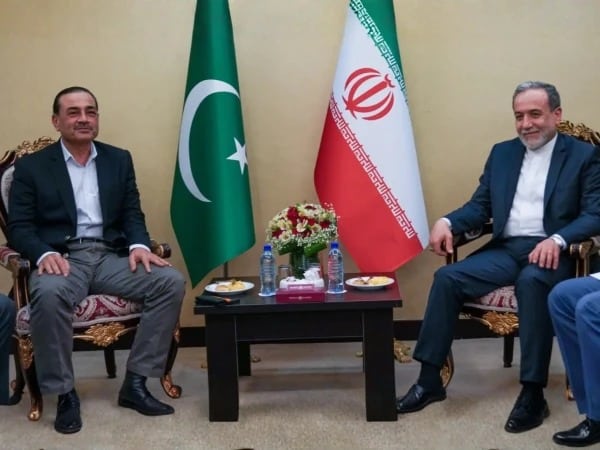
The renewed mediation comes after Pakistan Field Marshal Syed Asim Munir held a telephone conversation with Iranian Foreign Minister Abbas Araghchi amid the rapidly deteriorating security situation.
According to Iran’s state news agency IRNA, Araghchi strongly condemned the U.S. strikes, calling them a clear violation of the U.N. Charter and the Islamabad Memorandum of Understanding (MoU).
He said recent statements by senior U.S. officials suggesting Washington no longer considered itself bound by the agreement amounted to an admission that the United States had violated the deal.
Araghchi warned against further U.S. military action and reaffirmed Tehran’s commitment to defending Iran’s sovereignty, territorial integrity, and national security.
The call came as Islamabad intensified behind-the-scenes diplomacy to prevent the collapse of the peace process.
Diplomatic sources said Pakistan and Qatar remain in close contact with both Tehran and Washington to preserve the agreement and bring both sides back to negotiations.
Diplomatic observers said the coming days would be critical for the future of the MoU. Neither Iran nor the United States has formally withdrawn from the agreement. However, both sides accuse each other of violating its terms, complicating mediation efforts.
Despite rising tensions, Pakistani officials remain optimistic that sustained diplomatic engagement can prevent the peace process from collapsing.
Türkiye’s Anadolu Agency also reported that Pakistan and Qatar had contacted both Iran and the United States and urged them to halt hostilities and return to negotiations under the agreement.
Pakistani sources said the latest developments were not anticipated. They described the disputes between Tehran and Washington as complex and highly sensitive.
The sources said Pakistan believes the current crisis is unlikely to escalate into a full-scale war because both sides understand that such a conflict would not serve their interests.
However, they cautioned that further military confrontations cannot be ruled out given the nature of the outstanding disputes.
Before the latest clashes, U.S. and Iranian negotiators were expected to meet in Islamabad within one or two weeks for technical talks. The recent escalation has changed those plans.
Diplomatic sources said the immediate priority for mediators is to de-escalate tensions. Islamabad still expects to host the next round of negotiations once conditions improve.
The sources also acknowledged that continued Israeli military operations in Lebanon had contributed to delays in implementing the Islamabad MoU.
They said Iran insisted that the Strait of Hormuz would be fully reopened only after a complete ceasefire and the withdrawal of Israeli forces from southern Lebanon. Washington, however, argued that issues already resolved should not be linked to outstanding disputes.