DUBAI: Global markets have been shaken by escalating tensions between the United States and Iran, with deep impacts seen across currencies and the broader economy. The value of the US dollar is being influenced not only by exchange dynamics but also by supply chains and investor confidence during the geopolitical crisis.
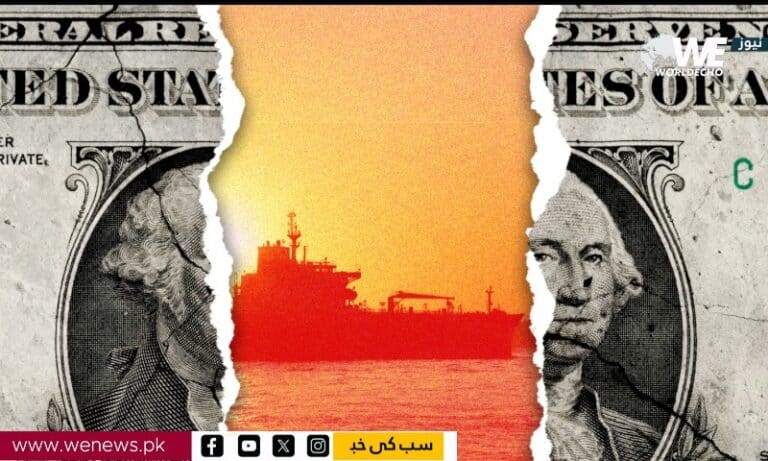
Following the outbreak of conflict and the closure of the Strait of Hormuz, the dollar slipped after an initial rise and was last reported at 278.77 Pakistani rupees. Historically, Middle East conflicts have driven investors toward safe-haven assets such as the dollar and gold. In early March 2026, when the strait was shut and war fears intensified, the dollar index rose by 0.3% to 0.5% as demand increased.
However, as global oil prices surged to between $120 and $150 per barrel, concerns over inflation and a potential recession in the United States began to grow. Fears of a prolonged conflict weighed on the dollar, which retreated from recent highs in international markets.
Economist Shahryar Butt said around 20% of global oil supply passes through the Strait of Hormuz. A prolonged closure could push US gasoline prices above $4 per gallon. This would reduce domestic purchasing power and complicate efforts by the Federal Reserve to maintain interest rates.
China, which imports more than 60% of its oil from the Middle East, has increasingly shifted toward conducting trade in local currencies instead of the dollar. If the conflict continues, the dollar’s global dominance could face further erosion.
According to Butt, the International Monetary Fund and the World Bank have warned that prolonged tensions could push the global economy into a major recession by the end of 2026. In such crises, demand for the dollar could still rise as investors seek liquidity, even as its long-term stability comes under pressure.
Exchange Companies Association of Pakistan Chairman Malik Bostan said the dollar’s dominance is nearing its end. He added that recent tensions have reduced US influence and could shift economic activity toward Central Asia.
He noted that the euro has not been able to challenge the dollar’s position, while China has emerged as the largest trading nation and is increasingly using its own currency. Letters of credit, once 95% dollar-denominated, have dropped to around 57%. A further shift toward local currencies or the Chinese yuan could push dollar-based trade below 50%, weakening its global standing.
ECAP Secretary Zafar Paracha said currencies such as the Russian ruble and Chinese yuan remain volatile, but recent tensions have highlighted the yuan’s growing strength. China’s position as the world’s largest exporter has reinforced confidence in its currency. The yuan is increasingly being used in trade, posing a significant challenge to the dollar.
He added that the United States must find a way out of the conflict. Otherwise, the erosion of dollar dominance could accelerate in the coming years.