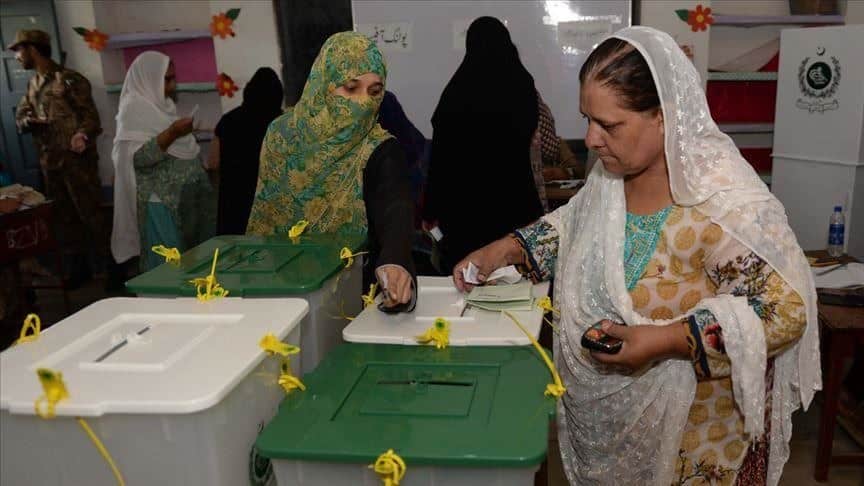
GILGIT: The Gilgit-Baltistan government has officially declared June 5 and 6, 2026, as public holidays across the region to ensure the smooth and organized conduct of the upcoming Gilgit-Baltistan Assembly elections.
According to a formal notification issued by the General Administration Department (GAD), all public and private offices will remain closed during these two days, though essential services will continue to remain operational as per their routine requirements.
The two-day holidays have been strategicially announced ahead of the official polling day, which is scheduled to take place on June 7, 2026.
The administration has finalized logistical arrangements to facilitate voters and election staff, aiming for a secure and seamless voting process across all constituencies in the territory.
The upcoming general elections for the 4th Gilgit-Baltistan Legislative Assembly represent a critical juncture in the region’s political landscape, following the completion of the previous assembly’s five-year tenure on November 24, 2025.
Initially scheduled by the Election Commission of Gilgit-Baltistan (ECGB) for January 24, 2026, the polls faced an indefinite delay after a multi-party consensus cited extreme winter weather and heavy snowfall as insurmountable obstacles for voters in remote, mountainous constituencies.
Consequently, a transitional caretaker government, led by Caretaker Chief Minister Justice (Retired) Yar Muhammad Nasir, was installed to oversee regional administrative affairs and ensure a transparent electoral transition.
On April 11, 2026, the ECGB officially rescheduled the polling day for June 7, 2026, triggering intense political campaigning across the territory’s 24 general seats.
Major national parties, alongside a substantial block of independent candidates, are competing to form the next government.
Given Gilgit-Baltistan’s unique geopolitical status and its vital link to regional economic corridors, these elections carry immense significance.
The administrative declaration of public holidays underscores the government’s efforts to maximize voter turnout, manage logistics securely, and maintain stability in the strategic northern frontier.