
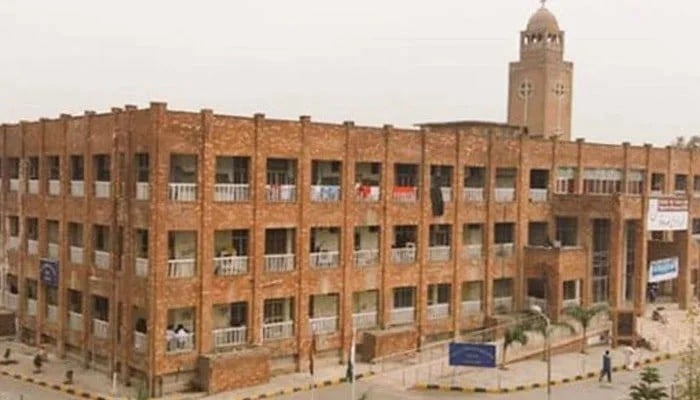
RAWALPINDI: Doctors at Holy Family Hospital in Rawalpindi have successfully reattached the completely severed hand of a five-year-old boy from Jhelum.
The child suffered a severe injury in which his hand was completely separated from his body after a blow from a toka.
He was brought to Holy Family Hospital on August 28, where doctors immediately assessed the extent of the injury and decided to proceed with emergency surgery.
A team from the hospital’s Plastic Surgery Department, led by Dr Tayyab and Dr Ambreen, performed the complicated procedure. Through advanced microsurgical techniques, the medical team reattached the severed hand and worked to restore blood circulation and vital structures.
During the operation, surgeons carefully repaired tiny blood vessels, veins and other critical structures. Restoring adequate blood flow was essential to give the replanted hand the best possible chance of recovery.
The successful procedure highlights the importance of specialist microsurgical expertise in treating traumatic limb injuries, particularly among young children.
Doctors said hand replantation in a young child is a highly complex and time-consuming procedure. They stressed that several factors can influence the outcome, including rapid referral, proper preservation of the severed limb and immediate access to an experienced microsurgical team.
The case also underscores the importance of providing appropriate first aid and transporting patients quickly to a facility equipped to perform microsurgery.
How to Preserve a Severed Limb
Doctors advised that if a body part is completely severed in an accident, it should not be placed directly on ice. Instead, the amputated part should be wrapped or placed in a clean plastic bag, which should then be kept in a separate container surrounded by ice.
The injured person should be transported immediately to a medical centre equipped with microsurgical facilities.
ALSO READ: Mother, Two Kids Drown in Rawalpindi Dam
The successful operation at Holy Family Hospital offers hope in a situation that could otherwise have resulted in permanent loss of limb function, while also highlighting the critical role of emergency response and specialised surgical care.



