
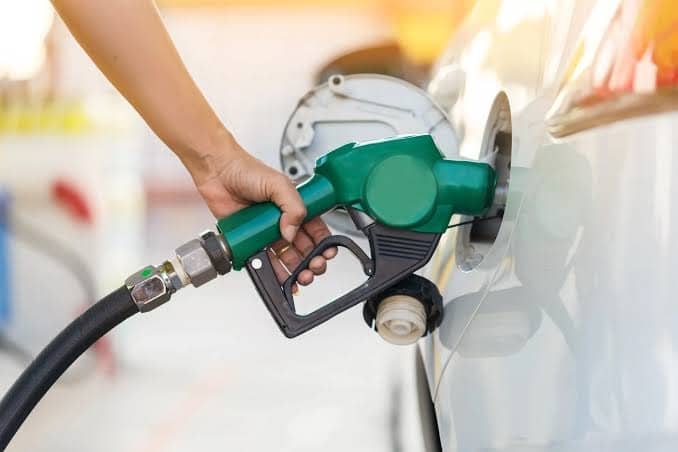
ISLAMABAD : In a significant move affecting consumer budgets across the country, the Government of Pakistan has announced a substantial petrol price hike in Pakistan, introducing a sharp upward revision in petroleum rates.
According to official notifications issued by the Oil and Gas Regulatory Authority (OGRA), the price of petrol has been increased by Rs 12.90 per litre, while high-speed diesel has gone up by Rs 3.72 per litre.
Following this recent petrol price hike in Pakistan, the newly established rate for petrol stands at Rs 358.77 per litre, whereas diesel has surged to Rs 381.77 per litre.
This latest adjustment highlights ongoing fiscal pressures and underlines the immediate impact of the petrol price hike in Pakistan on everyday public transportation, logistics, and household expenditures.
Evolution and Implications of the Fuel Price Hike in Pakistan Since March 2026
The trajectory of petroleum costs since March 2026 reflects a deeply challenging economic reality for consumers and policymakers alike, heavily defined by an unrelenting sequence of upward adjustments.
Beginning early in the spring, international energy market volatility, fluctuating currency exchange rates, and geopolitical tensions in major oil-producing regions set a precarious foundation for domestic energy pricing.
As global crude benchmarks experienced persistent upward pressure, the government—operating through fortnightly evaluations managed by the Oil and Gas Regulatory Authority (OGRA)—frequently found itself compelled to pass imported inflation onto the domestic market.
For the average citizen, every revision has translated into an immediate compounding effect on the cost of living, squeezing the financial bandwidth of salaried workers, daily wage earners, and fixed-income households who must navigate ballooning expenses just to maintain basic mobility.
Beyond personal transportation, the continuous escalation in fuel rates has triggered widespread inflationary shocks across multiple sectors of the national economy.
Because diesel serves as the primary engine for heavy transport, agricultural machinery, and commercial freight, successive price surges have directly inflated the operational costs of moving goods and produce from rural farms to urban markets.
Consequently, wholesale and retail prices for essential commodities, including food staples, vegetables, and manufactured goods, have escalated sharply, disproportionately burdening vulnerable populations.
Industrial enterprises and small-to-medium businesses have similarly absorbed heavier operational burdens, facing compressed profit margins and disrupted supply chain economics that constrain industrial output.
While authorities maintain that these periodic adjustments are mathematically tethered to external global pricing realities and international market indices, the cumulative socioeconomic fallout of these sustained energy hikes since March 2026 underscores an urgent structural vulnerability.
ALSO READ: Fuel Prices in Pakistan Hiked Once Again
Ultimately, navigating this ongoing volatility demands comprehensive strategic interventions, enhanced energy efficiency frameworks, and targeted relief mechanisms to shield the domestic populace from the relentless compounding pressures of the petrol price hike in Pakistan.