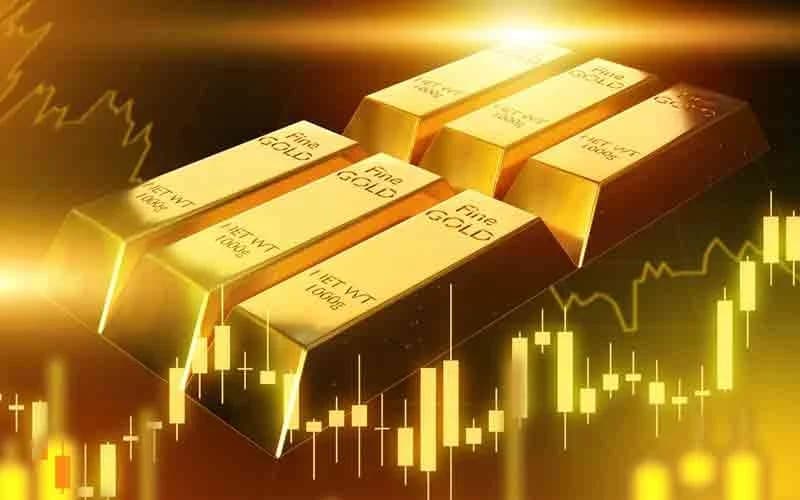
Karachi: A massive decline in gold prices has been recorded across the country.
According to the All Pakistan Gems and Jewellers Association, the price of per tola gold has dropped by Rs. 9,720, bringing the new rate down to Rs. 432,716.
Similarly, the price of 10-gram gold decreased by Rs. 8,748, settling at Rs. 369,422.
Meanwhile, in the international market, the price of gold witnessed a decrease of $97, plunging to $4,102 per ounce.
The pricing of gold and silver operates within a highly dynamic framework governed by a blend of global macroeconomic forces and distinct local market variables.
Internationally, both metals are primarily influenced by the monetary policy of major central banks, particularly the U.S. Federal Reserve.
When interest rates rise, the opportunity cost of holding non-yielding assets like gold and silver increases, often dampening their prices.
Conversely, inflationary pressures and rising global debt cause investors to view precious metals as a reliable store of value.
Geopolitical instability—such as international conflicts or trade disputes—frequently sparks “safe-haven” buying, pushing prices up.
While gold responds heavily to investor sentiment, silver carries a distinct industrial duality; roughly 60% of global silver consumption is driven by the electronics, semiconductor, and solar energy sectors, linking its value directly to industrial economic health.
Locally, international spot prices (quoted in U.S. Dollars per ounce) form the benchmark, but domestic factors heavily dictate final retail rates.
In countries like Pakistan, the local currency exchange rate (USD to PKR) is the most critical driver; even if global prices remain stagnant, domestic currency depreciation automatically elevates the cost of imported metals.
Furthermore, national pricing bodies, such as the All Pakistan Gems and Jewellers Association, adjust daily benchmarks to factor in government-imposed import duties, sales taxes, and logistics costs.
Finally, physical demand experiences sharp seasonal spikes during cultural festivities and wedding seasons, which temporarily drives up local dealer premiums and manufacturing charges.