THATHA: Thatta tractor trolley tragedy highlights a horrifying electrocution accident in the Thatta district of Sindh, where a vehicle packed with passengers collided with dangling high-voltage power lines.
The Thatta tractor trolley tragedy occurred in the Jogi Goth area, claiming the lives of six people, including a woman, after the overloaded tractor trolley struck sagging electrical cables hanging dangerously close to a local road.
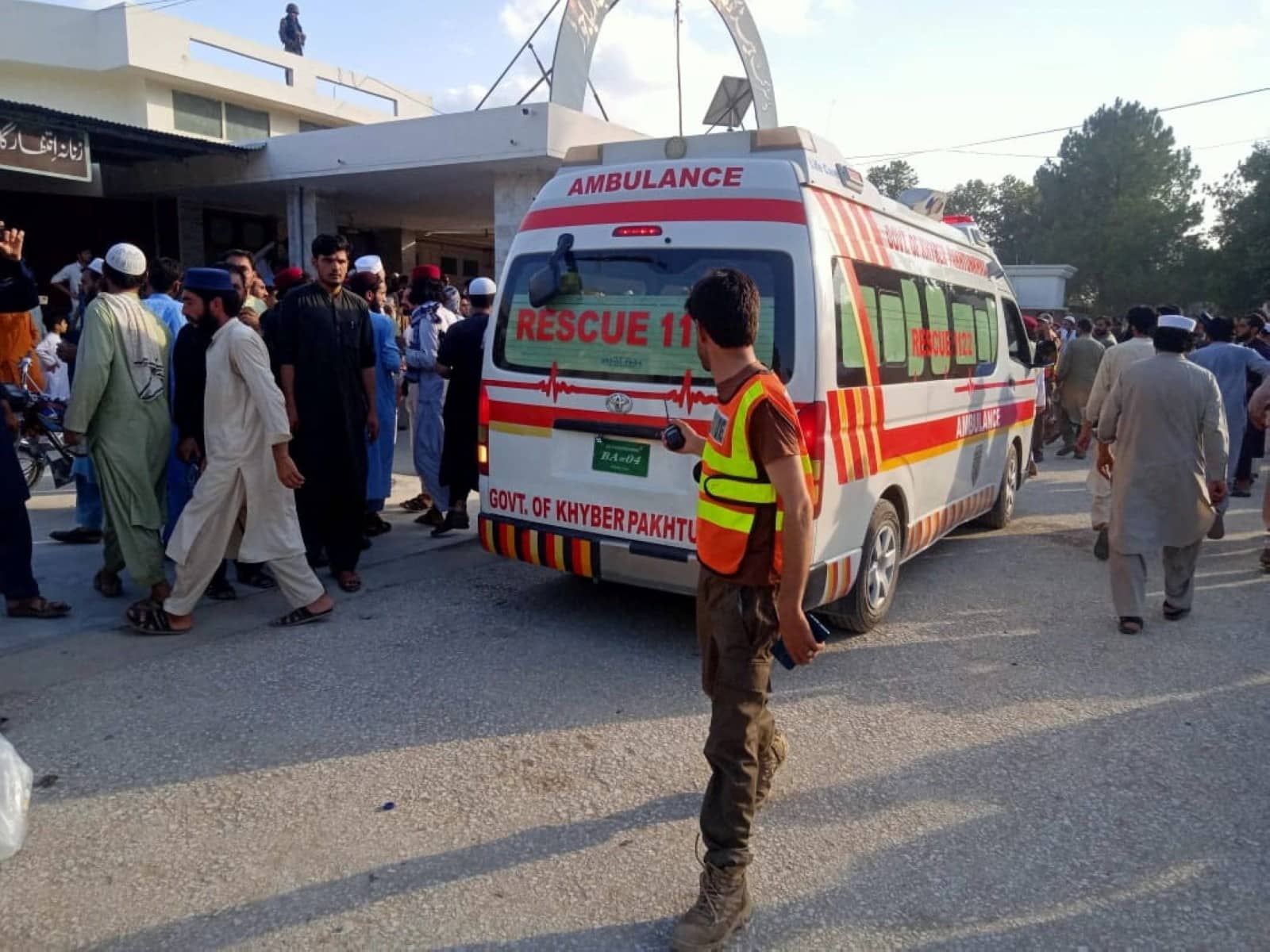
Several other individuals sustained severe burn injuries and were immediately rushed to nearby hospitals, where medical personnel reported that at least two victims remain in critical condition.
The incident has triggered widespread grief, anger, and intense protests from local residents directed against WAPDA authorities, whom citizens accuse of gross administrative negligence over unmaintained infrastructure.
Investigations into how live, low-hanging high-voltage wires were left exposed near public pathways continue as authorities manage the aftermath of the Thatta tractor trolley tragedy.
Electricity Deadly Incidents Note: Electrocution incidents and infrastructure-related power accidents have become a recurring and alarming hazard across Pakistan, claiming countless civilian lives annually.
A confluence of systemic failures primarily drives these deadly occurrences, most notably chronic administrative neglect, aging electricity distribution networks, and poor maintenance by power distribution companies (DISCOs).
Across major urban centers, towns, and rural settlements alike, poorly insulated wiring, transformer explosions, and ungrounded poles pose constant, silent threats to unsuspecting citizens.
Furthermore, rapid and unregulated urban expansion frequently results in unauthorized residential construction directly underneath or dangerously close to high-tension transmission lines.
Municipal authorities and power utility providers routinely fail to enforce mandatory safety clearances or establish robust zoning buffers to prevent accidental contact.
In rural and semi-urban areas, farmers, daily-wage laborers, and transport vehicles—such as tractor trolleys—frequently encounter low-hanging distribution lines that sag due to heavy loads, broken poles, or substandard installation materials.
Compounding these structural vulnerabilities is the widespread prevalence of illegal power hooking (“kunda” systems), which utilizes exposed, makeshift wiring networks running haphazardly across public streets and residential alleys
These rogue connections not only destabilize regional grids but also leave live wires dangling at head-height, turning public spaces into lethal hazards.
Mitigating this persistent crisis requires an immediate and comprehensive overhaul of Pakistan’s power distribution infrastructure.
Urgent remedial measures must include replacing deteriorated poles and cables, enforcing strict safety clearances, insulating high-risk distribution lines, and launching rigorous anti-encroachment operations.
ALSO READ: Five Passengers Dies in Kashmore Passenger Coach Accident
Additionally, holding utility companies accountable through proactive maintenance schedules and establishing rapid-response safety audits are indispensable steps toward safeguarding public lives and preventing future electrical catastrophes.