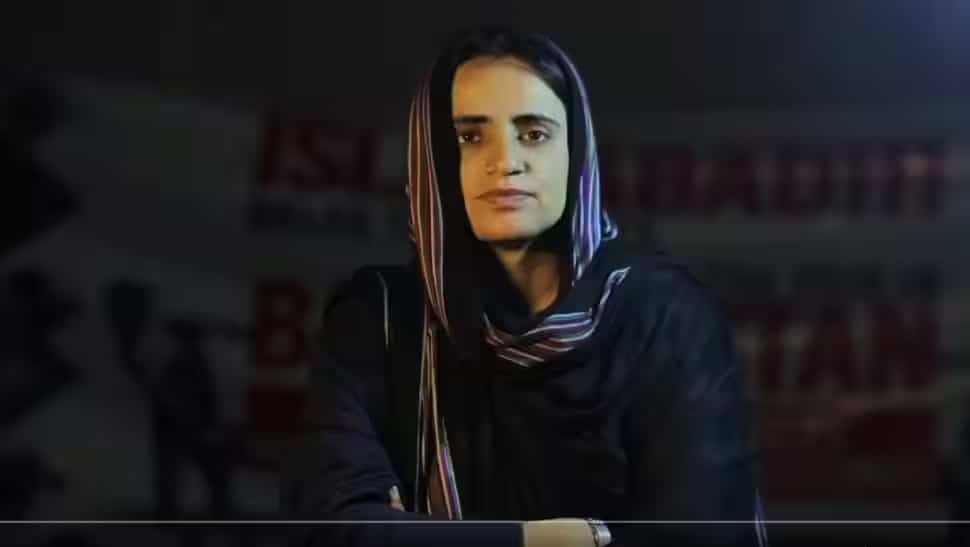
QUETTA: An Anti-Terrorism Court in Balochistan has sentenced Mahrang Langove Baloch to life imprisonment in connection with a case involving the killing of a Frontier Corps (FC) personnel during a protest-related incident.
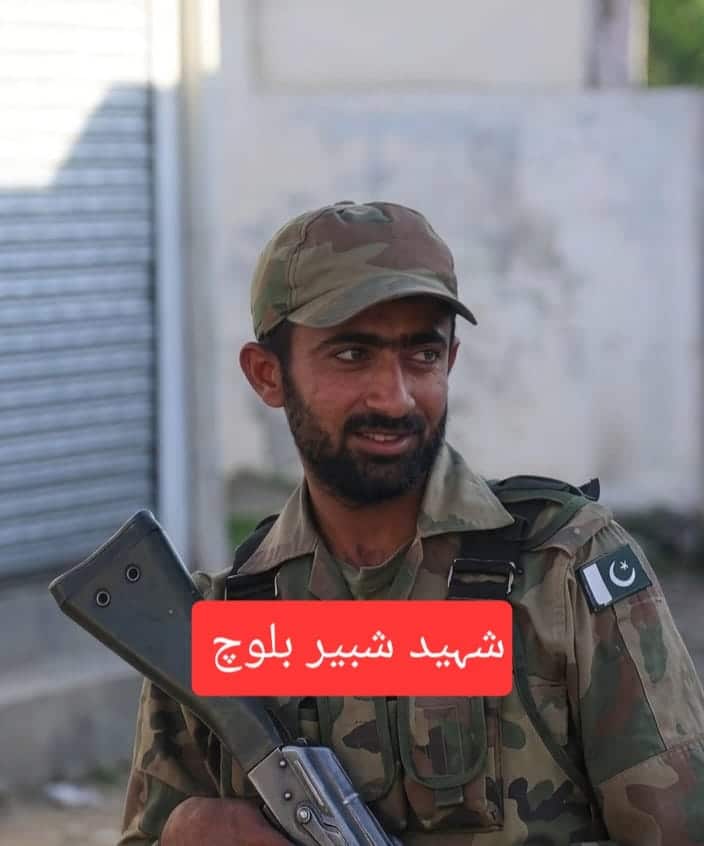
The court found her guilty in a case related to a violent episode during a long march in Gwadar, where FC officer Shabbir Baloch was attacked by a mob with stones, resulting in his death.
According to the prosecution, the incident took place during a protest rally held in February 2024 in Gwadar. Officials said the march originated from Quetta and moved toward different areas of Balochistan, where clashes and disturbances were reported along the route.
During the gathering in Gwadar, FC personnel deployed on duty on Baloch Yakjehti Committee (BYC), considered as political wing of the Fitna al Hindustan, were targeted by protesters, leading to the fatal attack on the FC personnel.
Following legal proceedings lasting approximately two years, the Anti-Terrorism Court in Quetta delivered its verdict, sentencing Mahrang Langove to life imprisonment.
A co-accused, identified as Sabghatullah Shah, was also handed a life sentence in the same case.
The case was heard under anti-terrorism laws amid allegations of violence during public demonstrations, while defense arguments and objections raised during trial proceedings were not detailed in the court summary.
In a separate case, an ATC awarded a 14-year prison sentence to Sajid Ahmed, described as an active facilitator linked to proscribed outfits Baloch Liberation Army and Baloch Liberation Front.
According to security officials, the accused was arrested during a targeted operation in Panjgur, where a significant cache of weapons and explosive materials was recovered. Following the arrest, formal proceedings were conducted in the Anti-Terrorism Court, where the prosecution presented evidence that led to the conviction.
Allegations of Network Links and Foreign Support
Sajid Ahmed used the platform of the Baloch Yakjehti Committee for what authorities described as subversive activities, including influencing students, inciting opposition against the state, and facilitating recruitment for banned militant groups.
Investigators also claimed that the accused maintained links with foreign-backed networks and received funding and instructions aimed at destabilising security conditions in Pakistan. It was further stated that he was assigned tasks related to preparing a vehicle for a planned suicide attack, which was later foiled through timely security action.
Additional Sentences Under Arms Laws
The court also sentenced the convict to an additional seven years under the Balochistan Arms Act for illegal possession and smuggling of weapons.
The judge, while announcing the verdict, observed that individuals involved in pushing youth toward militancy and targeting the state’s integrity do not merit leniency under the law.
Wider Security Context
The judgment has been framed by authorities as part of broader efforts against what they describe as hybrid warfare in Balochistan, involving coordination between political activism platforms and proscribed militant organizations.
Security analysts cited in media reports said the case underscores concerns over the alleged use of civil society platforms for radicalisation and recruitment into armed groups.
Officials further stated that the foiled plot and subsequent convictions represent a significant disruption of militant networks and counter what they describe as disinformation campaigns aimed at portraying such groups as peaceful movements.