ISLAMABAD: Pakistan abstains from UNSC vote on Iran sanctions as the United Nations Security Council failed to extend the mandate of an independent panel tasked with monitoring sanctions on Iran. The United States-backed resolution received 11 votes in favour, while Pakistan and Somalia abstained. Russia and China voted against the measure, preventing its adoption.
The vote came amid renewed disagreements among major powers over the status of UN sanctions linked to Iran’s nuclear programme and the implementation of the 2015 nuclear agreement.
Pakistan abstains from UNSC vote on Iran sanctions, urges diplomacy
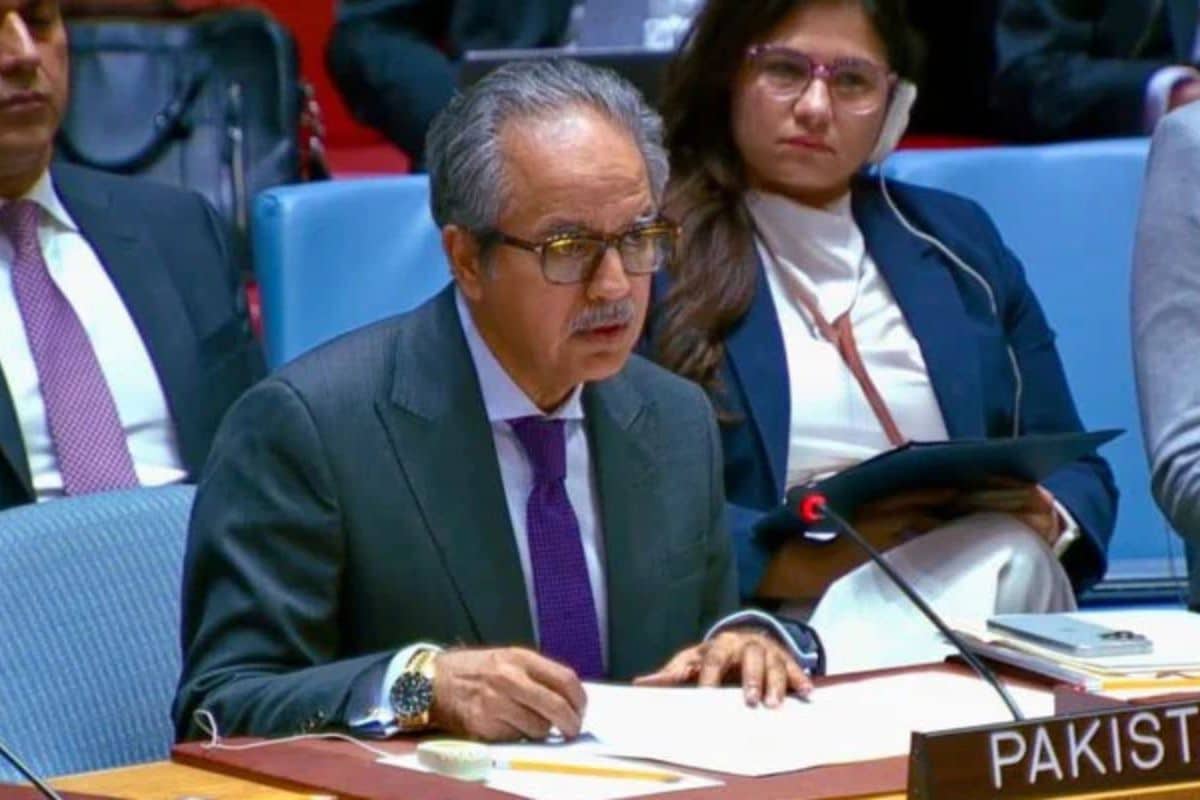
Speaking during the Security Council session, Pakistan’s Permanent Representative Ambassador Asim Iftikhar Ahmad said Islamabad remained concerned about the increasing complexity surrounding the Iran nuclear issue.
He stressed that diplomacy and dialogue should remain central to resolving outstanding issues related to Iran’s nuclear programme.
Pakistan also reiterated its support for the International Atomic Energy Agency (IAEA), saying the UN nuclear watchdog should continue carrying out its safeguards responsibilities independently and without political interference.
Ahmad said Pakistan had consistently supported peaceful engagement and opposed confrontation and conflict. He also called on the parties involved to honour commitments under the Islamabad Memorandum of Understanding and return to negotiations.
Russia and China oppose extension of Iran sanctions monitoring panel
Russia and China rejected the US-sponsored resolution seeking to extend the mandate of the independent panel of experts supporting the Security Council’s Iran sanctions committee.
The two countries have maintained that UN measures against Iran were effectively terminated under the 2015 nuclear agreement, formally known as the Joint Comprehensive Plan of Action (JCPOA).
Western countries, however, argue that sanctions were restored after France, Germany and Britain accused Iran of breaching its nuclear commitments. Iran has repeatedly denied pursuing nuclear weapons.
The independent panel was intended to monitor alleged violations and provide reports and recommendations to the Security Council. However, the council has been without a functioning panel for roughly a year because members have been unable to agree on appointments, which require consensus.
Pakistan calls for return to negotiations
Pakistan’s abstention reflects Islamabad’s stated emphasis on dialogue and peaceful dispute resolution rather than confrontation over Iran’s nuclear programme.
Ambassador Ahmad highlighted the impact of regional tensions, military strikes against nuclear facilities and disagreements among permanent Security Council members on efforts to resolve the issue.
Russia’s UN Ambassador Vassily Nebenzia similarly criticised what Moscow described as the politicisation of the Iran issue by Western countries. He argued that political and diplomatic engagement remained the appropriate means of addressing concerns over Iran’s nuclear activities.
The Security Council vote therefore underscored the continuing divide among major powers over Iran, sanctions and the future of international efforts to address Tehran’s nuclear programme. Pakistan, while abstaining from the vote, reiterated its support for diplomacy, the IAEA’s technical role and renewed negotiations aimed at reducing regional tensions.