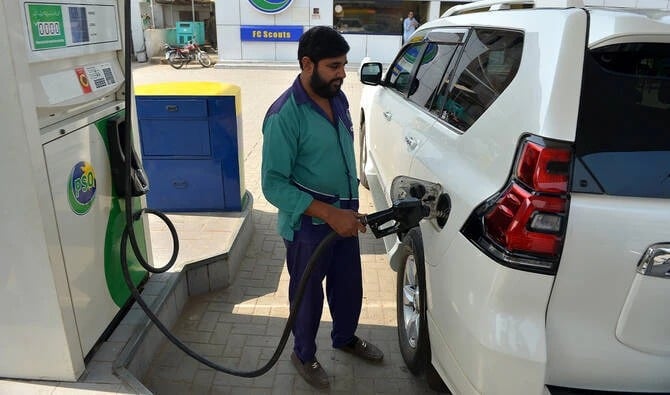
ISLAMABAD: Government raises fuel prices across Pakistan once again, placing an additional financial burden on citizens as the cost of essential fuels climbs to unprecedented levels.
According to the notification issued by the federal authorities, the price of petrol has been increased by Rs 4.42 per litre, pushing the new rate to Rs 380.24 per litre.
Similarly, the price of high-speed diesel has witnessed a sharp hike of Rs 6.10 per litre, elevating the cost of diesel to an alarming Rs 409.42 per litre.
These newly revised petroleum tariffs have come into immediate effect and will remain applicable until September 15.
The continuous upward revision in fuel rates is a reflection of shifting international market trends and local fiscal adjustments, triggering widespread concern among various sectors of the economy.
Fuel Price Trends in Pakistan Since March and Severe Impacts on Low-Income Households
The persistent surge in fuel prices across Pakistan since March has created an unmanageable economic crisis, severely squeezing the disposable incomes of vulnerable demographics.
Tracking the trajectory from the spring season, when petrol hovered around the Rs 321–328 range, subsequent fortnightly and frequent adjustments have driven retail rates up by massive margins.
Because petroleum products serve as the foundational lifeblood of the national supply chain, every incremental jump triggers a cascading inflationary spiral.
For daily wage earners, low-income households, and salaried individuals already grappling with soaring utility bills and high food inflation, these mounting fuel costs are devastating.
Public transport fares, rickshaw tariffs, and motorcycle commuting expenses have multiplied, consuming a disproportionate share of a poor worker’s monthly earnings.
Furthermore, the escalation in diesel prices directly inflates freight charges for agricultural goods and daily commodities, driving up food prices in local markets.
ALSO READ: Flour Prices in Quetta Surge as Fuel Costs Rise
This relentless squeeze forces low-income families to make agonizing compromises on basic necessities, nutrition, healthcare, and children’s education, deepening poverty cycles and magnifying the social distress caused by unchecked macroeconomic pressures.