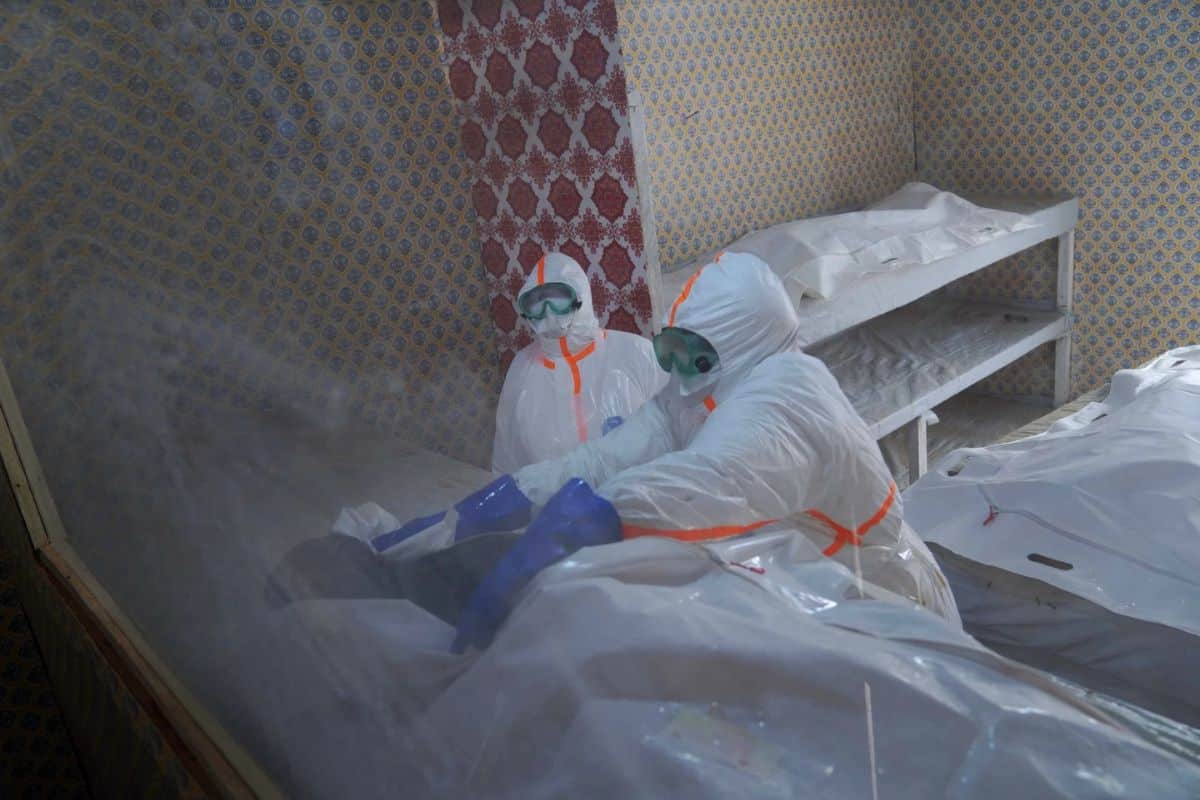
KINSHASA, DR Congo: The DR Congo Worst-Ever Ebola Outbreak has surpassed 7,000 recorded cases, making the latest epidemic the deadliest Ebola outbreak ever reported in the Democratic Republic of Congo, according to figures released by Congolese health authorities.
The outbreak was officially detected in mid-May after reportedly spreading unnoticed for several weeks. Since then, the highly infectious virus has killed nearly 3,400 people and spread across multiple provinces, raising serious concerns over the country’s ability to contain the disease in areas where health infrastructure remains limited.
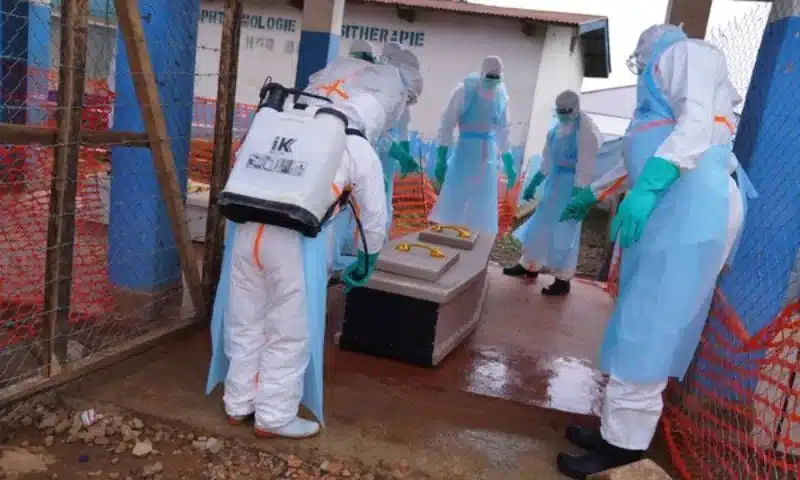
According to the latest figures, 7,022 Ebola cases have been recorded since the beginning of the epidemic. Of those, 3,398 people have died, while 1,671 patients have recovered.
DR Congo Worst-Ever Ebola Outbreak spreads to seventh province
The epidemic initially emerged in northeastern Ituri province before spreading to remote areas in eastern and northern parts of the country.
Earlier this week, health authorities confirmed that Ebola had reached South-Ubangi province, the seventh province affected by the outbreak. The region borders both the Central African Republic and the Republic of Congo, raising concerns about the potential for further cross-border transmission.
Ituri remains the epicentre of the outbreak, with a significant number of cases reported there. The detection of DR Congo Worst-Ever Ebola Outbreak infections in schools following the return of students after the summer holidays has caused particular concern among parents, teachers and health workers.
Ebola raises alarm in schools
Schools in Bunia, the capital of Ituri province, have introduced additional measures to reduce the risk of transmission. School officials have implemented mandatory handwashing facilities using soap and have limited classroom numbers to a maximum of 30 students.
Authorities are also educating children about measures intended to prevent the spread of the virus, including avoiding physical contact and regularly washing their hands. Parents remain concerned about the possibility of infections entering schools from different households.
“We are very worried because we don’t know which child comes from which family or what the health status of the members of that family is,” a mother in Bunia told AFP.
The concerns underline the difficulties facing health officials as they attempt to control transmission in densely populated communities and areas where medical resources are limited.
Ebola remains a major health threat
Ebola is a highly infectious viral disease that can spread through direct contact with the bodily fluids of an infected person. Severe cases can result in internal and external bleeding, organ failure and death.
The virus has killed more than 15,000 people in Africa over the past five decades, according to the information cited in the report.
The current outbreak is being caused by the Bundibugyo strain of Ebola. According to the available information, there is currently no approved vaccine or specific treatment for this strain, although researchers are testing several potential vaccines and treatments.
Also Read: Measles Outbreak Claims Three Children of Family
The absence of an approved vaccine or treatment for the particular strain adds to the challenges confronting health authorities.
Health infrastructure faces major pressure
The spread of Ebola into increasingly remote areas is placing additional pressure on the Democratic Republic of Congo’s already limited health infrastructure.
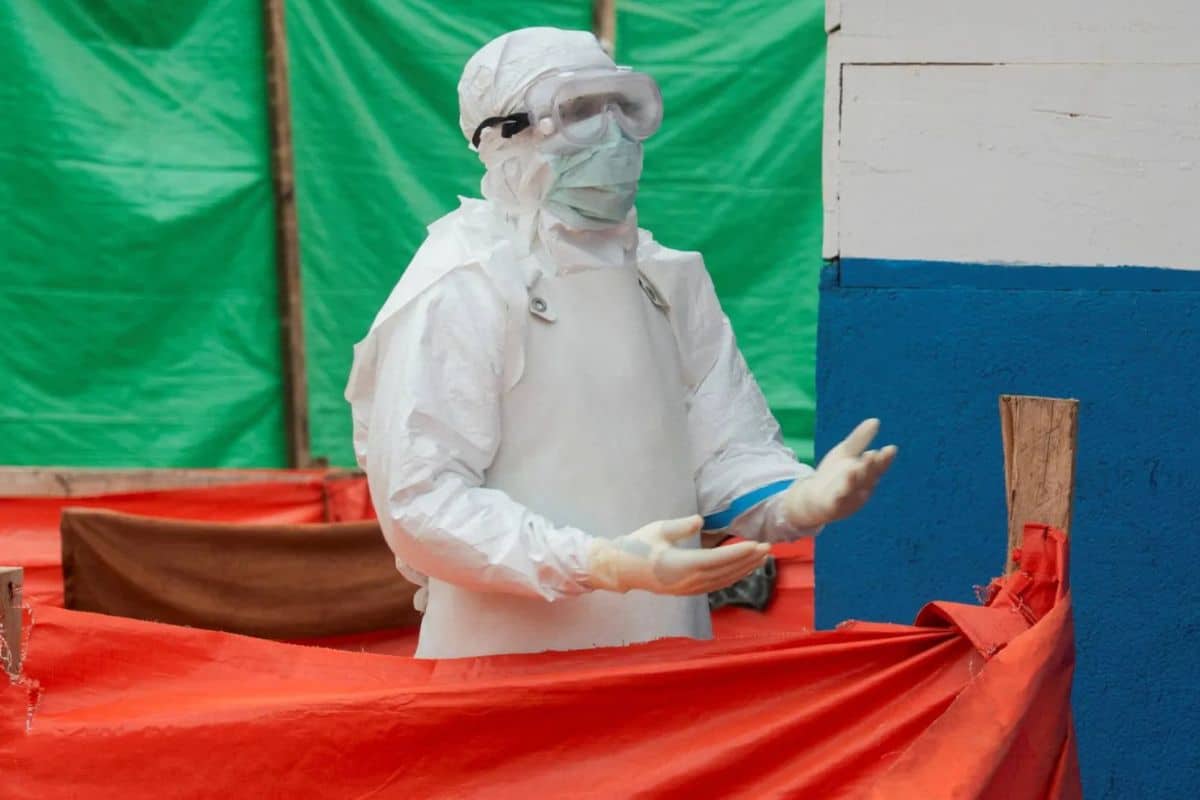
Containing the outbreak will require rapid identification of cases, isolation of infected patients, monitoring of people who have been exposed to the virus and effective public-health communication.
The expansion into a seventh province also increases the logistical challenge for health authorities and raises concerns about potential transmission across national borders.
With more than 7,000 cases already recorded, the DR Congo Worst-Ever Ebola Outbreak represents a major public-health emergency. Health authorities and international partners face mounting pressure to prevent further transmission and protect communities as efforts to contain the deadly disease continue.