NEW DELHI: India’s minorities face discrimination and violence amid growing concerns over prolonged detention, religious restrictions, hate speech, demolitions and attacks targeting Muslims, Christians, Sikhs and Dalits, according to findings cited from Indian media reports and international rights organisations.
The concerns include the use of counterterrorism legislation, anti-conversion laws and other legal measures that rights groups say have disproportionately affected religious and ethnic minority communities.
India’s minorities face discrimination and violence
India’s criminal justice system continues to face a substantial backlog, with millions of people awaiting trial. According to National Crime Records Bureau data for 2023, undertrials accounted for 73.5% of the country’s prison population. Muslims represented 20.1% of undertrials and Sikhs 5.3%, according to an analysis of NCRB data, prompting concerns about disparities affecting minority communities.
India’s minorities face discrimination and violence amid a significant and persistent judicial backlog. The judicial backlog has also remained significant. Data from India’s National Judicial Data Grid showed that nearly 50 million cases were pending in district and subordinate courts as of July 30, 2026, while another 6.47 million were pending in the High Courts.
More than 11.7 million cases across India’s Supreme Court, High Courts and lower courts had reportedly remained pending for more than 20 years as of July 16.
The continued detention of activist Umar Khalid has also attracted international attention. Khalid was arrested in 2020 under counterterrorism legislation and remains without a conviction, according to the material cited in the report.
Muslims face violence, hate speech and demolitions
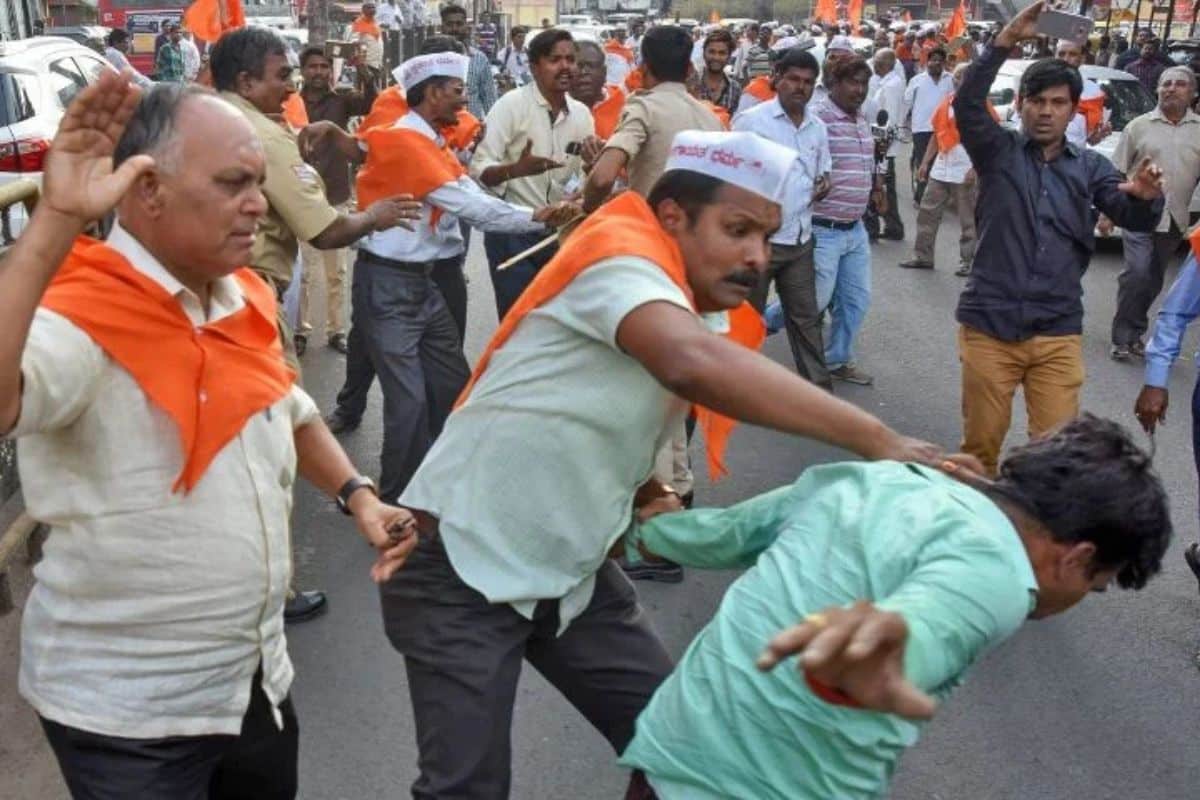
Muslims have faced allegations of discrimination, violence, hate speech, displacement and home demolitions in several parts of India.
Human Rights Watch said in its 2026 World Report that anti-Muslim hate speech increased following a deadly 2025 attack in Indian-administered Jammu and Kashmir. The organisation also reported attacks against Muslims in several states and raised concerns about the expulsion of Bengali-speaking Muslims from BJP-ruled states to Bangladesh without due process.
The practice often described as “bulldozer justice” has also become a major point of controversy. Freedom House said India’s Supreme Court ruled in 2024 that targeted illegal demolitions were unconstitutional, while also reporting that authorities in some states continued carrying out demolitions during 2025.
The US Commission on International Religious Freedom (USCIRF) said in its 2026 annual report that Hindu nationalist groups had harassed and attacked Muslims and Christians in several states. The commission also accused authorities of tolerating vigilante violence against religious minorities.
USCIRF recommended that the United States designate India as a “country of particular concern” over what it described as systematic, ongoing and egregious religious-freedom violations.
Christians face pressure over conversion allegations
Christian communities have also faced pressure in several Indian states over allegations of forced or induced religious conversion.
USCIRF said several states had introduced or strengthened anti-conversion legislation carrying significant penalties. According to the commission, such laws, alongside counterterrorism and citizenship legislation, have been used against religious minorities and individuals advocating for their rights.
Human Rights Watch has also documented attacks on Christian pastors and worshippers following accusations of religious conversion. It reported that at least 12 Indian states had laws restricting religious conversion and said these measures had particularly affected Christians from Dalit and Adivasi communities.
Sikhs face concerns over transnational repression
Sikh activists have faced separate concerns involving alleged transnational repression. USCIRF said the Indian government had engaged in transnational repression targeting religious minorities and raised allegations involving assassination attempts against Sikh community members in North America.
The allegations have contributed to diplomatic tensions between India and Western governments over suspected plots targeting Sikh separatist figures abroad.
Within India, Sikh political activism has also faced security scrutiny. Authorities have used laws including the Unlawful Activities (Prevention) Act against individuals accused of supporting separatist organisations.
USCIRF: India’s Minorities Face Discrimination and Violence
Dalits continue to experience caste-based discrimination and violence, while questions remain over access to affirmative-action benefits for Dalits who belong to different religious communities.
Under India’s constitutional framework, Scheduled Caste status is generally available to Hindus, Sikhs and Buddhists. Muslim and Christian Dalits do not receive Scheduled Caste status on the same basis.
USCIRF has included Dalits among communities facing violence and harassment and has raised concerns about attacks affecting religious minorities in India. The allegations and findings from rights organisations have intensified international debate over religious freedom, minority rights and the rule of law in India. Indian authorities, however, have repeatedly rejected allegations of systematic discrimination and defended the country’s constitutional and legal framework.
The continuing debate highlights the competing claims surrounding the treatment of minorities in India, with rights organisations calling for stronger protections while Indian officials maintain that security and legal measures are applied within the country’s legal framework.