NEW YORK: According to a United Nations report, active militant networks operating from Afghanistan and their operational ties to cross-border terrorist incidents inside Pakistan have intensified significantly under the umbrella of Al-Qaeda Facilitates TTP and BLA Terrorism from Afghanistan, UN Report Reveals.
Following the return of the Taliban to power in Afghanistan in 2021, these relationships have grown increasingly robust.
The UN documents that Al-Qaeda has actively assisted the proscribed Tehreek-e-Taliban Pakistan (TTP) in enhancing its tactical strategies, operational training, and propaganda capabilities.
In April, Al-Qaeda’s media wing openly endorsed TTP actions against Pakistan for the first time. Security experts, including U.S. professor Amira Jadoon, note that this alliance spans from grassroots tactical support to high-level narrative integration.
Furthermore, research indicates that since 2020, Al-Qaeda has pressured the Pakistani Taliban to dissolve their separate identity and merge directly into Al-Qaeda, a maneuver analysts attribute partly to the overarching influence of the Afghan Taliban.
Since reclaiming power, the Afghan Taliban have extended safe havens, financial stipends, and logistical assistance to various militant factions, including local identity documentation issued to members of the TTP, Al-Qaeda, and the East Turkestan Islamic Movement.
Beyond the TTP, the UN report emphasizes that Al-Qaeda Facilitates TTP and BLA Terrorism from Afghanistan, UN Report Reveals, extending its training and strategic support network to outlawed groups such as the Balochistan Liberation Army (BLA) and Itihad-ul-Mujahideen Pakistan.
While ideological alignment sustains this nexus across media and logistics, the UN officially designated Al-Qaeda as a primary “service provider” for regional militants, supplying crucial tactical training and operational consultation as underlined by Al-Qaeda Facilitates TTP and BLA Terrorism from Afghanistan, UN Report Reveals.
Evolution of Cross-Border Militancy from Afghanistan
The trajectory of militancy originating from Afghan soil has long constituted the most critical national security challenge for Pakistan.
Over the past two decades, safe havens across the porous border have enabled extremist factions to regroup, plan, and execute coordinated attacks.
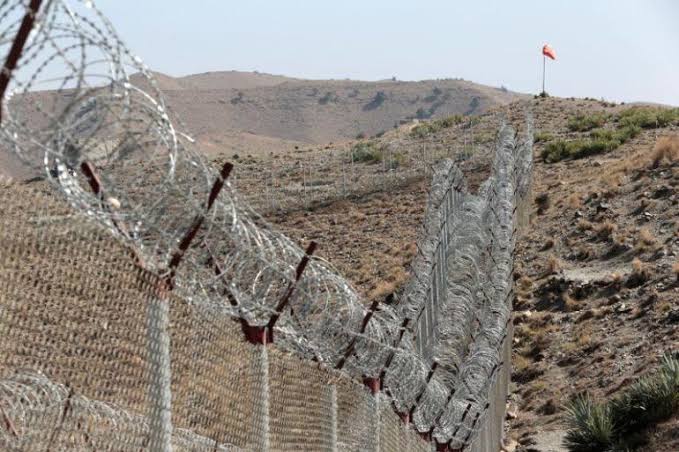
Despite persistent diplomatic engagements and formal demands from Islamabad for effective border management, militant safe havens and logistical supply lines have remained operational.
The unhindered movement of heavily armed insurgents, coupled with external ideological backing and financial sponsorships, has consistently fueled domestic instability.
ALSO READ: BLA-TTP Nexus: What the Ziarat Cross Attack Reveals
This persistent cross-border threat underscores the vital imperative for robust regional counter-terrorism enforcement, stringent border fencing, and decisive international action to dismantle transnational terrorist syndicates operating with impunity within Afghanistan.