DUBAI: UAE warning to Netanyahu highlights a profound intelligence revelation concerning the events leading up to October 7, 2023.
According to investigative reports published by the Israeli newspaper Haaretz, the president of the United Arab Emirates personally contacted Israeli Prime Minister Benjamin Netanyahu roughly ten days prior to the multi-pronged assault.
During a 45-minute telephone conversation, Emirati leadership explicitly communicated that Hamas was planning a massive operation that would trigger severe bloodshed and destabilize the region.
Despite these urgent alerts originating from regional intelligence channels, the Israeli premier maintained a calm disposition, dismissed the gravity of the threat, and refrained from briefing top security chiefs or defense officials.
The newly surfaced details underscore major systemic blind spots at the highest levels of governance, keeping the discourse surrounding the UAE warning to Netanyahu at the center of intense political and public scrutiny.
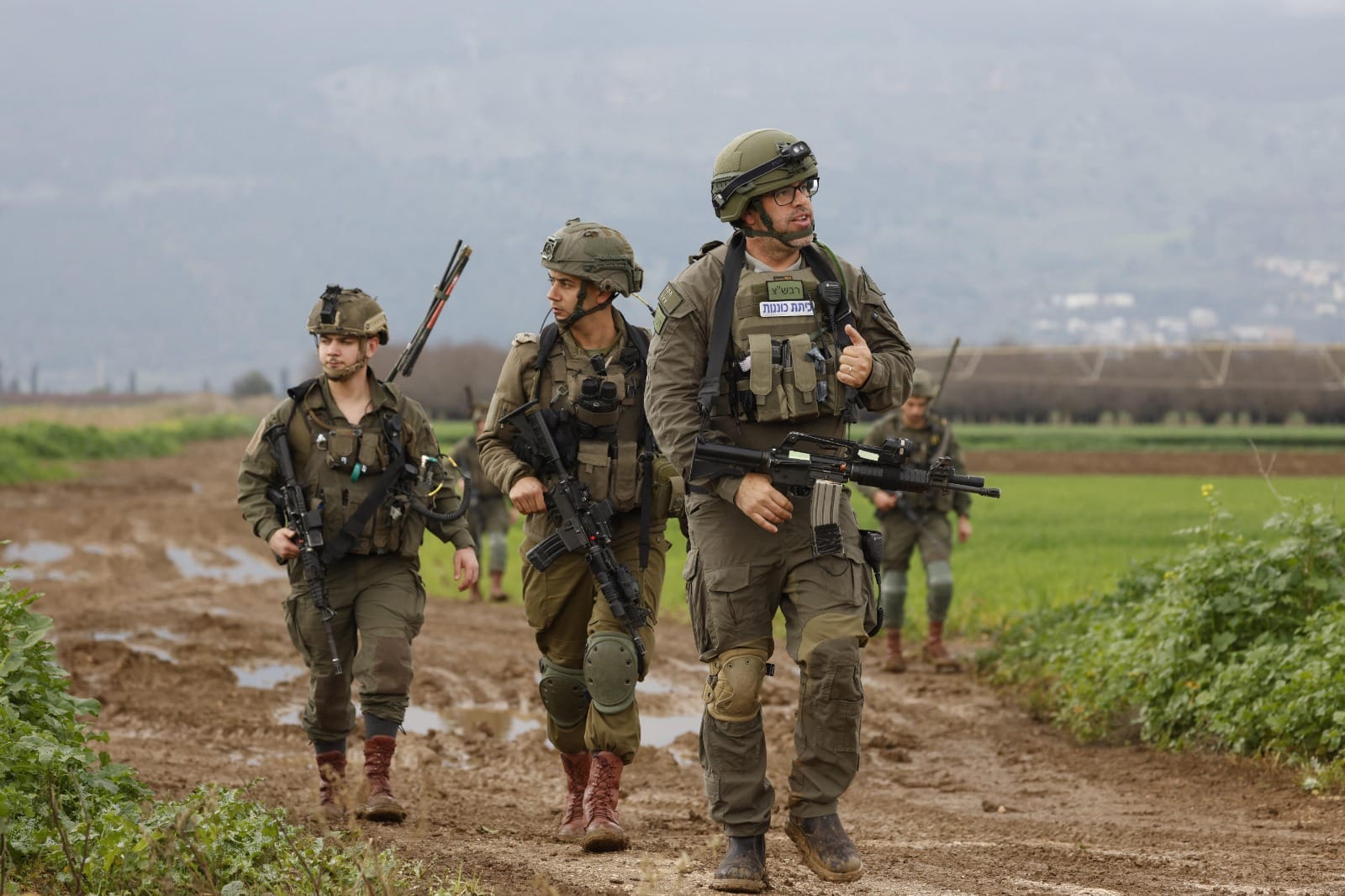
Regional Military Campaign Note: The ongoing military campaigns conducted by Israeli forces across Gaza and Lebanon have resulted in catastrophic humanitarian devastation, mass displacement, and staggering civilian casualties.
Continuous aerial bombardments and ground operations have systematically destroyed critical infrastructure, residential neighborhoods, hospitals, and educational institutions, plunging millions into severe food insecurity and acute medical crises.
ALSO READ: Israel Calls Trilateral Defence Pact ‘Dangerous’
International humanitarian bodies and human rights organizations have consistently documented widespread destruction, emphasizing that the disproportionate use of force has caused unprecedented suffering among non-combatant populations across both territories.
European governments have increasingly voiced deep alarm over the soaring civilian death toll and the systematic obstruction of humanitarian aid entering the blockaded Palestinian territories.
Diplomatic capitals across the continent have sharply criticized the expansion of military operations, warning that prolonged urban warfare and cross-border escalation violate fundamental international humanitarian laws.
Several EU member states have pushed for concrete diplomatic measures, including reviewing bilateral trade agreements and imposing targeted sanctions on extremist actors, as mounting public pressure demands a definitive end to regional hostilities and unhindered humanitarian access.