RAHIM YAR KHAN: A tragic collision between a tractor-trolley and trailer collision near Zahir Pir in Rahim Yar Khan transformed a joyous wedding celebration into a scene of profound grief, leaving seven people dead and over 60 others injured.
According to local law enforcement, the devastating crash involving the tractor-trolley and trailer collision occurred due to the alleged recklessness and negligence of the trailer driver, who rammed into the vehicle transporting wedding guests.
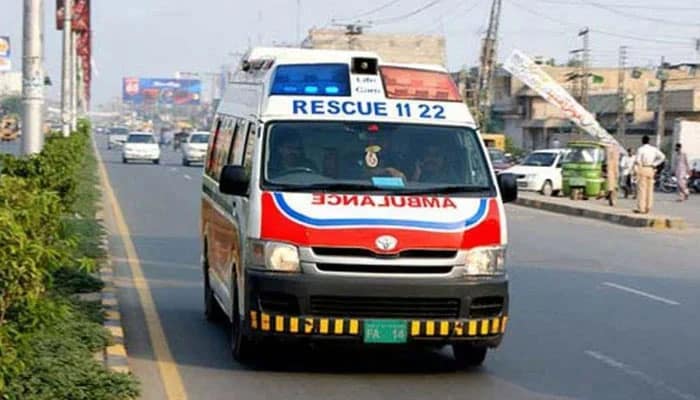
Emergency response teams swiftly mobilized to transfer the wounded victims to Sheikh Zayed Hospital.
Hospital administration confirmed that four victims lost their lives at the scene, while three others succumbed to their injuries during treatment, prompting district authorities to declare an emergency to handle the influx of casualties.
Road safety statistics in Pakistan highlight an escalating national crisis, with thousands of fatalities recorded annually due to preventable vehicular accidents.
Comprehensive data from emergency services like Rescue 1122 indicate that tens of thousands of road traffic crashes occur across major provinces like Punjab every single month, driven heavily by systemic issues such as reckless driving, fatigue on long-haul routes, and widespread disregard for lane discipline.
Heavy transport vehicles, including large trailers and freight trucks, frequently share narrow or poorly lit highways with slower-moving agricultural vehicles like the ones involved in this tractor-trolley and trailer collision, compounding the danger during night travel or celebratory events where passenger overcrowding on trailers is common.
Furthermore, structural deficiencies in national infrastructure, a lack of automated speed enforcement cameras on secondary highways, and inadequate vehicle fitness testing protocols continue to expose commuters to extreme vulnerabilities.
ALSO READ: Two Wedding Guests Killed, 11 Injured in Khanpur Road Accident
Public health advocates and transport experts emphasize that curbing this relentless wave of highway tragedies requires stringent legislative frameworks, mandatory driver training, rigorous safety audits for commercial transport fleets, and enhanced structural separation of mixed-speed traffic lanes.