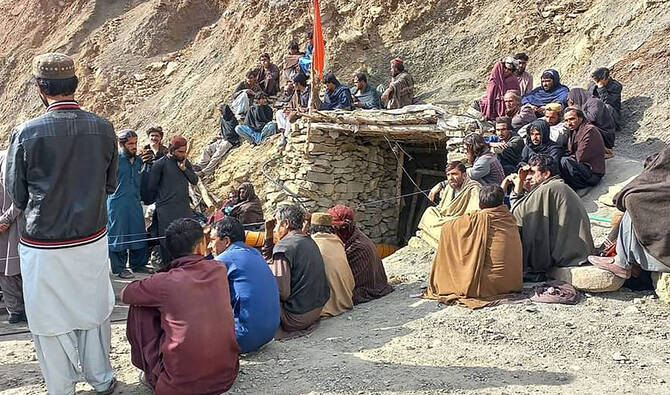
DUKKI: Three coal miners lost their lives in a tragic workplace incident after toxic gas accumulated inside a coal mine located in the Miraj coal area of Balochistan’s Dukki district.
According to local authorities and rescue sources, the victims were working deep underground when the deadly gas filled the chamber, causing severe suffocation. Fellow workers and local response teams managed to retrieve the bodies from the pit. The deceased miners have been identified as:
- Isa Khan
- Sirajuddin
- Shamsullah
Following the retrieval operation, the bodies were immediately transferred to the Civil Hospital for necessary legal and medical formalities before being handed over to their bereaved families. This fatal incident underscores the recurring dangers and critical gaps in workplace safety regulations within the region’s mining sector.
Decade-Long Crisis: A Retrospective on Balochistan’s Mining Fatalities
The recent Dukki coal mine accident reflects a grim and persistent pattern of occupational hazards that have plagued Balochistan’s mining sector over the past decade.
Coal mining in the province remains exceptionally dangerous, driven by archaic extraction methods, a severe lack of modern gas-detection equipment, and lax enforcement of labor laws.
Over the last ten years, hundreds of coal miners have lost their lives in entirely preventable tragedies caused primarily by methane gas explosions, toxic gas accumulation, and sudden mine collapses.
Data from labor federations indicate that between 100 and 200 workers die annually across Pakistan’s coalfields, with Balochistan accounting for a major share due to deep, poorly ventilated shafts.
Despite repeated appeals from labor unions urging the government to implement the International Labour Organization’s safety conventions, structural reforms remain sluggish.
Mine operators frequently bypass mandatory safety protocols to minimize overhead expenses, exposing impoverished laborers to hazardous environments.
Furthermore, rescue operations are frequently delayed due to an absence of specialized local emergency infrastructure, often forcing fellow miners to risk their own lives during rescue attempts.
ALSO READ: Coal Mine Explosion in Quetta Traps Miners
Without rigorous legal accountability, stringent oversight, and strict enforcement of workplace safety standards, coalfields across Balochistan will continue to pose lethal threats to the workers sustaining the nation’s energy supply.