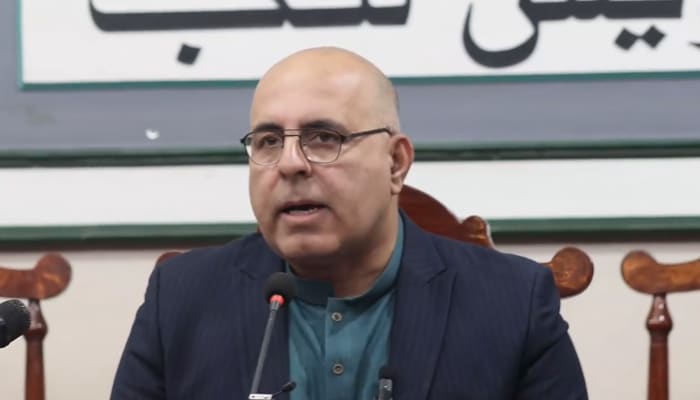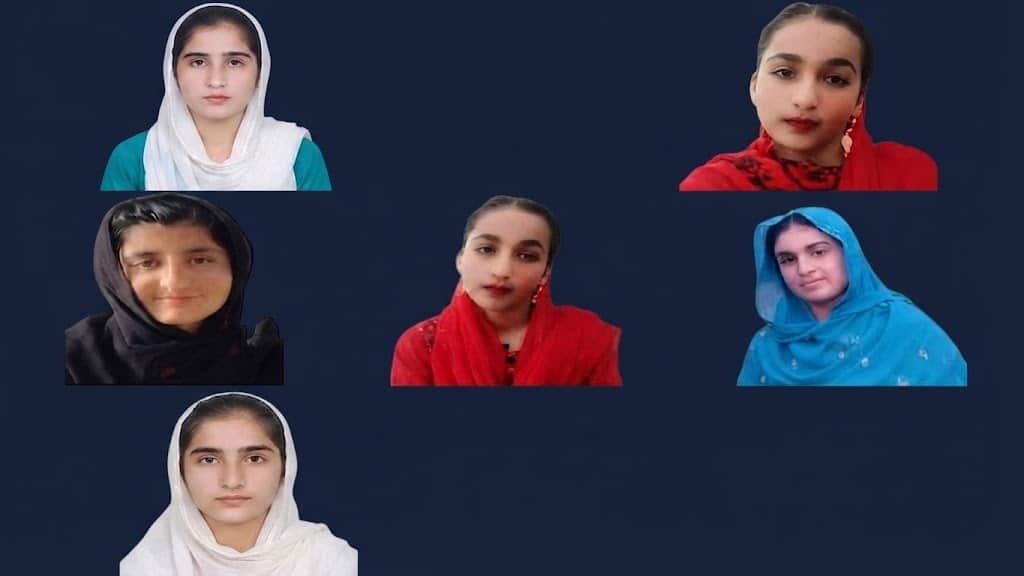
QUETTA: In a significant counter-terrorism development, Babar Yousafzai, the Coordinator to the Chief Minister of Balochistan for Media Affairs, announced cash rewards ranging from 1.5 million to 1.5 million rupees for credible information leading to the identification and apprehension of nine highly wanted female militants.
Addressing the media, Yousafzai emphasized that the individuals providing actionable intelligence will have their identities strictly protected and kept entirely confidential.
According to government briefings, these wanted women are linked to militant networks operating primarily in the coastal and southern districts of Gwadar, Jiwani, and Turbat.
The provincial government has formally classified these suspects as high-value targets and appealed to the general public to assist law enforcement agencies in neutralizing ongoing security threats.
The Evolution of Security Threats: Militants Using Women for Terrorism in Balochistan
The recent announcement by provincial authorities underscores a dangerous and shifting paradigm regarding how militants using women for terrorism in Balochistan have altered operational dynamics within insurgent and extremist organizations.
Over the past decade, security agencies have observed a calculated tactical shift where outlawed groups exploit traditional social norms and cultural leniencies toward women to bypass security checkpoints, transport improvised explosive devices (IEDs), and facilitate logistics.
Because conventional security protocols historically subjected women to less rigorous physical searches due to cultural sensitivities, militant commanders have increasingly manipulated vulnerable females into acting as couriers, radicalized operatives, and even suicide bombers.
This distressing trend not only complicates counter-terrorism intelligence-gathering operations but also shatters the social fabric of local communities in regions like Turbat, Gwadar, and Kech.
Extremist handlers often exploit socio-economic vulnerabilities, grievances, or coercion to recruit young women, weaponizing their marginalized status for subversive objectives.
Security analysts note that countering this phenomenon requires a delicate balance between rigorous intelligence operations and community-police trust-building initiatives.
Law enforcement agencies are forced to adapt their standard operating procedures by increasing the deployment of female police officers at checkpoints and intelligence cells to intercept operatives without violating cultural norms.
ALLSO READ:KP Police Announces Bounties for Wanted Militants
Ultimately, addressing the root causes of radicalization and dismantling the clandestine cells that coerce or incentivize militants using women for terrorism in Balochistan remains critical to restoring long-term peace and stability across the province.