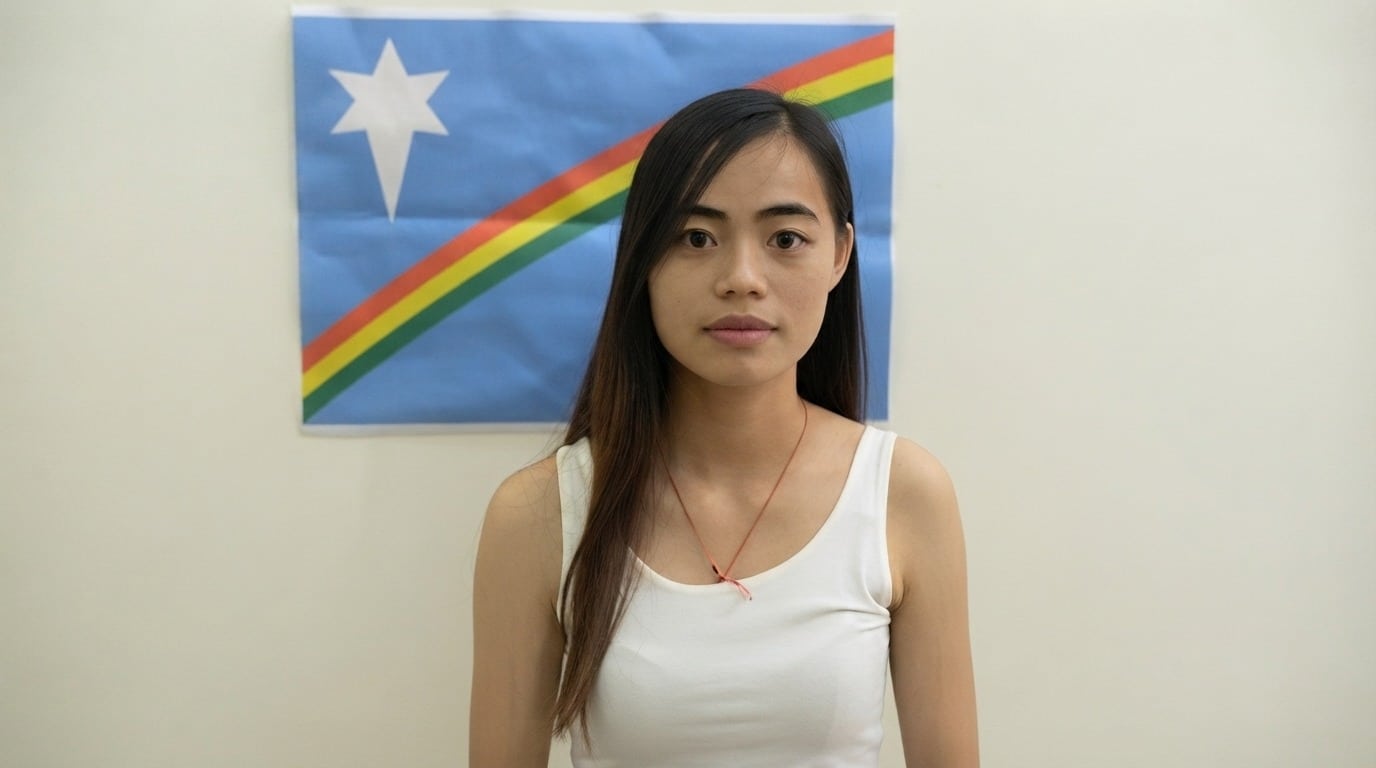
KOHIMA: A Naga woman greets Pakistan on its independence day , stating that the Naga people also observe August 14 as their day of independence and continue their ongoing struggle against Indian rule.
Citing reports from the Kashmir Media Service, her video message claimed that the Naga population achieved independence from British colonial rule on August 14, but India subsequently occupied Naga territories following the British withdrawal.
Comparing their quest for freedom to the movements of Kashmiris and Sikhs, she appealed to the international community to back the right to self-determination for the Naga populace.
Emphasizing that the Naga nation possesses its distinct history, culture, language, territory, and armed resistance, she maintained that they hold the inherent right to determine their own future.
Criticizing Indian administration, she described the Indian flag as a symbol of occupation and burned it in the video footage, reiterating that her people deserve a sovereign and liberated existence.
Concluding her message, she urged the people of Pakistan to sustain their diplomatic and moral backing for the Naga struggle until complete freedom is attained.
Naga Girl’s Independence Day message for Pakistanis:
“Warm wishes from the heart.
May Pakistan always remain strong, peaceful, and prosperous.”
Respect across borders. pic.twitter.com/b2AT0rVzwJ— PakVocals (@PakVocals) August 14, 2026
Movements for Sovereignty and Self-Determination Against Indian Control
Various regions across the South Asian subcontinent continue to challenge central state control, driven by distinct historical identities, unfulfilled plebiscites, and resistance to military integration.
The Naga political movement stands as one of the oldest armed and political struggles in the region, originating from a declared independence on August 14, 1947, prior to the consolidation of modern Indian borders.
Decades of armed conflict, peace accords, and persistent governance disputes have defined the relationship between federal authorities and the Naga leadership, with populations continuously demanding recognition of their unique sovereign status and traditional lands.
Similarly, the dispute over Jammu and Kashmir remains a core geopolitical flashpoint characterized by widespread popular resistance, massive security deployments, and demands for a UN-mandated right to self-determination.
Local populations in these contested zones reject administrative integration, citing unfulfilled international commitments and ongoing human rights concerns.
Concurrently, other marginalized ethnic and minority groups across different provinces voice deep grievances regarding resource exploitation, cultural assimilation, and political disenfranchisement
ALSO READ: Canada declares Khalistan movement legitimate, accuses India as oppressor
These interconnected struggles highlight a broader pattern of resistance against centralized dominance, where distinct communities persistently advocate for complete political autonomy, sovereignty, and the restoration of historical independence.