RAWALPINDI: Pakistan has strongly rejected a recently produced Indian documentary on the 2025 Operation Sindoor, describing it as a highly dramatised and factually distorted attempt to portray a disputed military episode as an Indian victory.
In this regard, Pakistan said the documentary relied on selectively edited interviews, emotional narration and cinematic reconstruction to present a version of events designed primarily for domestic consumption.
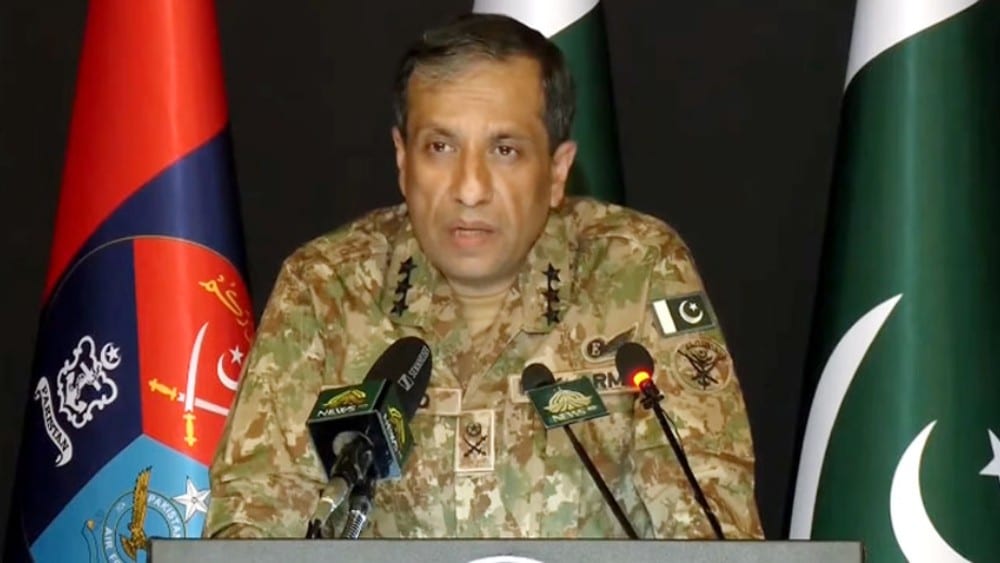
The ISPR questioned what it described as contradictions in the documentary’s chronology, particularly its attempt to establish a connection between statements made by Pakistan’s Army chief on April 16, 2025, and the Pahalgam incident six days later.
Pakistan also questioned India’s claim that Operation Sindoor was conducted to punish those responsible for the Pahalgam attack. According to the ISPR, Indian authorities later claimed that three alleged perpetrators were identified and eliminated on July 28, 2025, more than two months after the May 7 military action.
“If the alleged perpetrators were eliminated on July 28, Pakistan asks, who was punished on May 7?” the statement said, challenging what it termed a fundamental inconsistency in India’s narrative.
The ISPR also rejected the Indian documentary’s assertion of “100 percent mission success,” saying Pakistan’s armed forces had successfully responded to Indian military action during what Islamabad refers to as Marka-e-Haq.
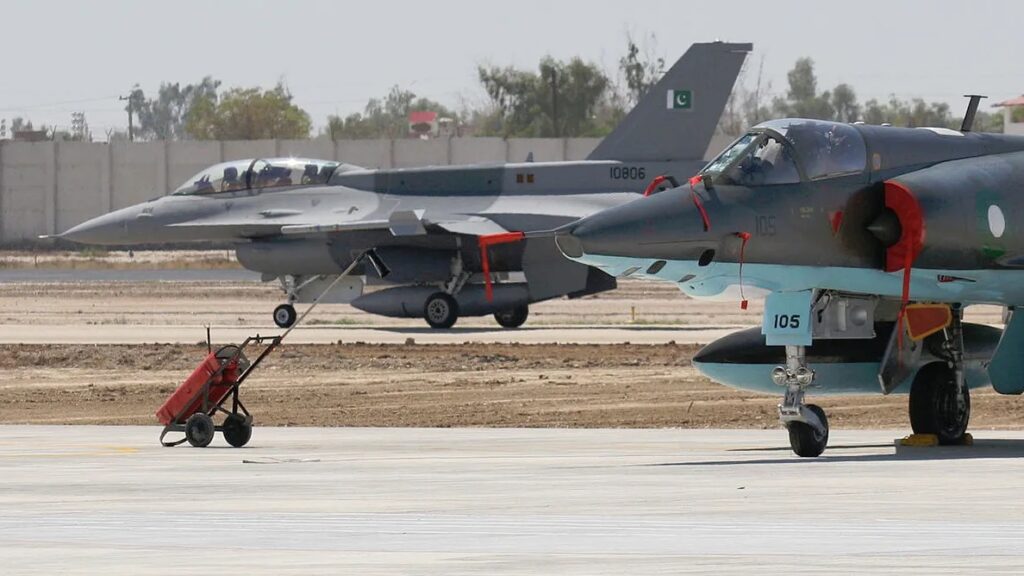
Moreover, as per Pakistan, its forces shot down eight Indian military aircraft during the confrontation. Islamabad further said it subsequently launched Operation Bunyanum Marsoos, targeting 26 military facilities with precision-guided rockets, missiles, air-launched munitions, loitering systems and artillery.
The statement argued that the documentary itself undermines its portrayal of an unequivocal Indian victory by acknowledging Pakistani missile, drone and air activity, continued engagements along the Line of Control and the activation of Indian air-defence systems.
Pakistan also disputed India’s portrayal of the cessation of hostilities, noting that the documentary acknowledged communication between the two Directors General of Military Operations (DGMOs) and an agreement to halt military action.
The ISPR said such an arrangement could not reasonably be presented as evidence of an unconditional unilateral victory.
The statement accused India of attempting to use cinematic reconstruction to reshape the historical record, arguing that operational developments, military engagements and subsequent diplomatic exchanges cannot be changed through a documentary narrative.
Pakistan reasserted that it remains committed to regional peace and stability but warned that its armed forces remain prepared to defend the country’s sovereignty, territorial integrity and national interests.