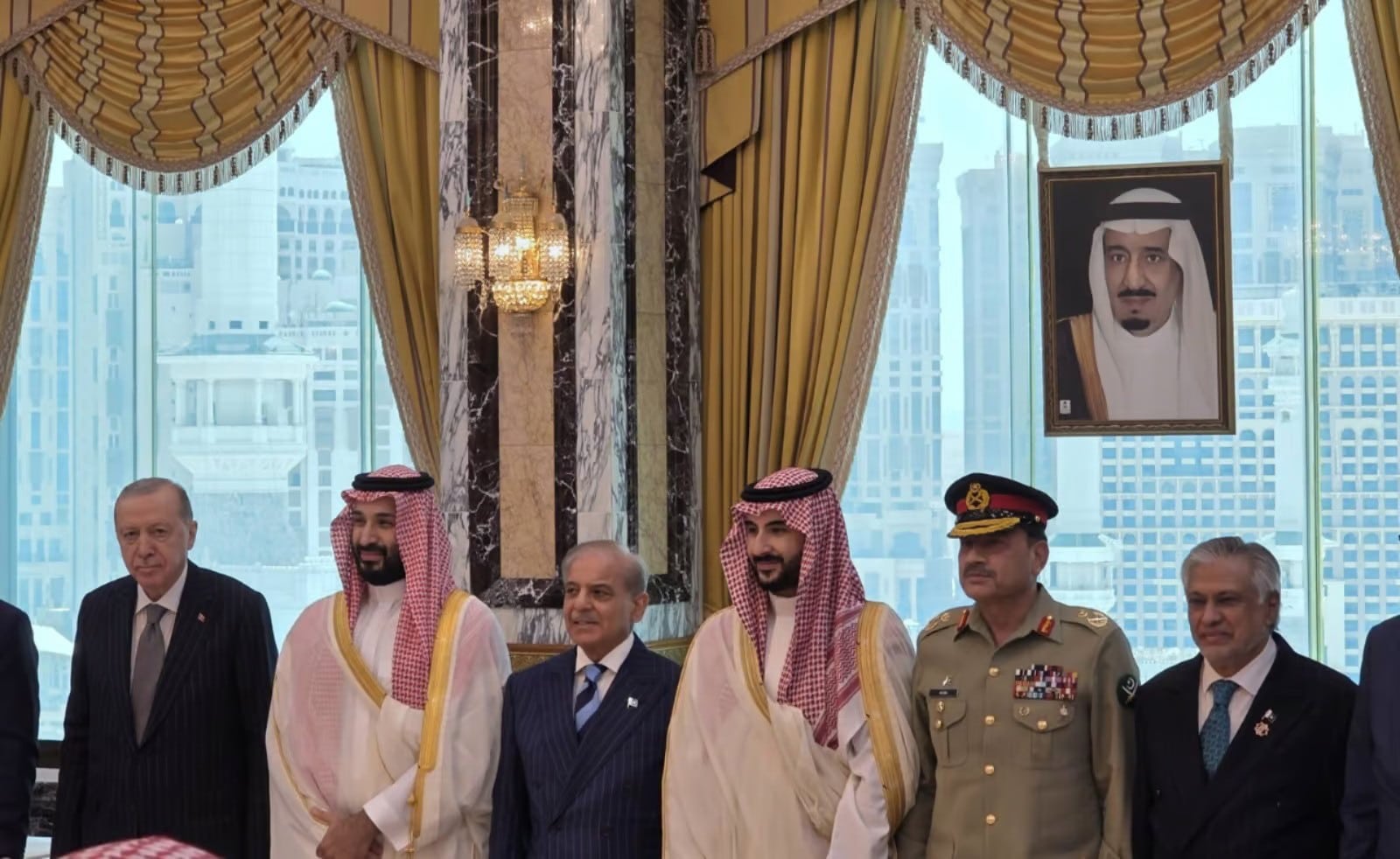
MAKKAH: The proposed trilateral defence framework involving Pakistan, Saudi Arabia, and Türkiye is being presented by its proponents as a strategic initiative aimed at enhancing regional stability, strengthening collective security, and expanding long-standing cooperation among the three countries.
The proposed agreement would formalize decades of close political, strategic, and defence relations among Pakistan, Saudi Arabia, and Türkiye. Supporters of the framework argue that it indicates the natural progression of historical partnerships built on mutual trust, shared interests, and continued diplomatic engagement.
The proposal comes at a time when the regional security environment is undergoing significant transformation, with evolving geopolitical dynamics, emerging security challenges, and changing patterns of warfare.
The advocates believe that closer trilateral coordination would provide an institutional mechanism to promote stability, strengthen defence cooperation, and improve collective preparedness in response to common security concerns.
The proposed framework is described as a defensive arrangement rather than a military alliance directed against any country. Its stated objective is to enhance collective deterrence through cooperation in defence planning, intelligence sharing, and strategic coordination while promoting peace and preventing conflict.
The proposal mentions the complementary strengths of the three nations. Pakistan is recognized for its experienced armed forces and strategic expertise, Saudi Arabia for its economic strength and regional influence, and Türkiye for its advanced defence industry and technological capabilities.
The supporters also argue that Pakistan has increasingly assumed a constructive diplomatic role in the region by maintaining engagement with multiple regional and global stakeholders. They contend that Islamabad’s relations with Saudi Arabia, Türkiye, Iran, the United States, China, and other international partners position the country to contribute to dialogue, crisis management, and regional cooperation.
The framework further stresses the importance of political leadership, strategic clarity, and responsible decision-making in maintaining peace and security. It envisions expanded cooperation through intelligence sharing, military coordination, joint planning, and defence collaboration to strengthen collective security while reducing the likelihood of conflict.